PTSD is not a sign that you are broken — it is a sign that something happened to you that your nervous system was never meant to carry alone.
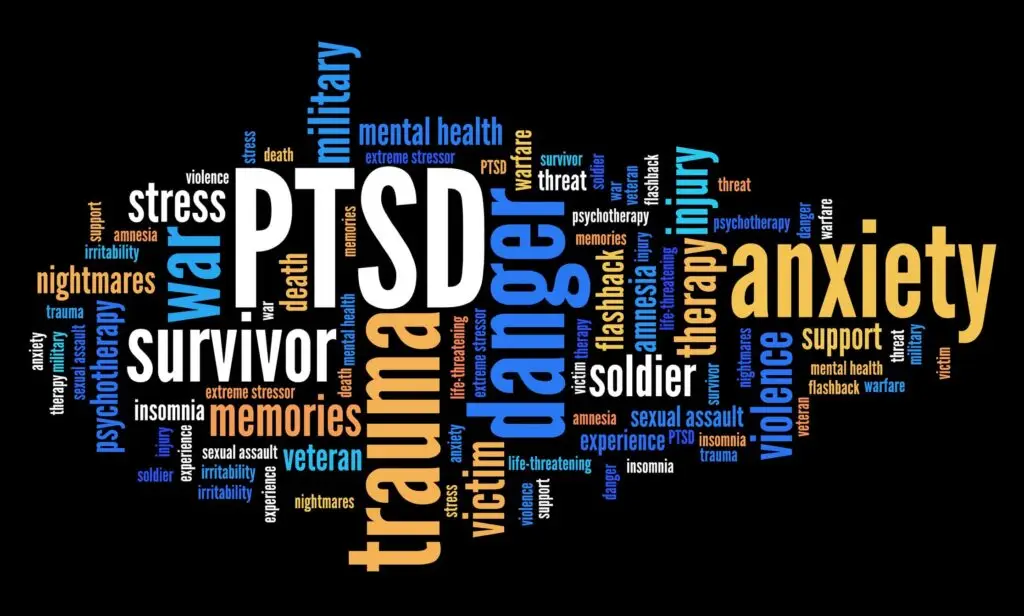
Post-traumatic stress disorder does not always look the way it does in the movies. It is not only combat veterans reliving battlefield memories. It is not always flashbacks or nightmares — though it can be both of those things. For millions of people PTSD looks like being unable to feel safe anywhere. Like flinching at sounds no one else reacts to. Like relationships that keep collapsing for reasons that are difficult to explain. Like a nervous system permanently locked in survival mode long after the danger has passed — scanning every environment, every interaction, and every quiet moment for a threat that the rational mind knows is not there but the body refuses to believe is gone.
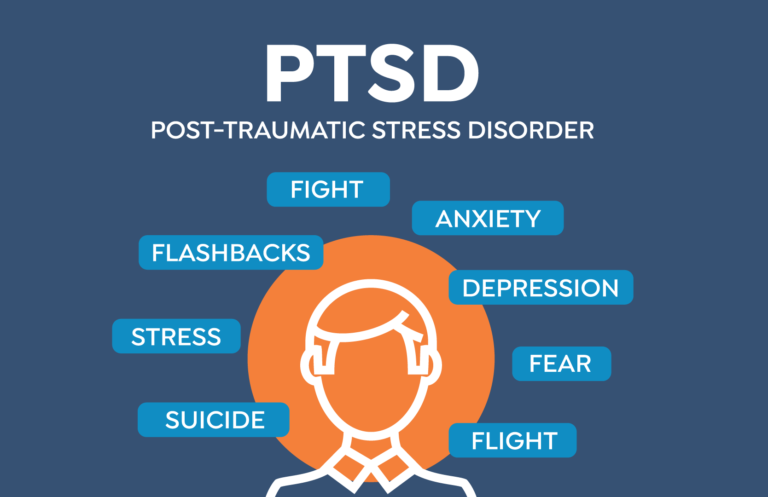
PTSD affects an estimated 20 million Americans at any given time — and it is one of the most common underlying conditions our clinical team identifies in people who reach out to us for help with substance abuse. The connection runs deep. When the nervous system cannot find rest, alcohol promises sleep. When memories arrive without warning and emotions hit without context, opioids offer numbness. When hypervigilance makes every public space feel like a threat, substances become the only thing that reliably turns the volume down. PTSD does not cause substance abuse by accident — it creates the exact neurological and emotional conditions that make substances feel like the only available relief.
At My2Cents Recovery we treat PTSD as the primary clinical condition it is — with the trauma-specialized therapies, the clinical depth, and the genuine human understanding that real trauma recovery requires. Our integrated PTSD treatment program identifies the specific trauma at the root of your experience, addresses the PTSD and any co-occurring substance use simultaneously, and builds a path toward recovery that honors everything you have survived — not just the symptoms you arrived with.
PTSD is not exclusive to combat veterans — it develops in anyone whose nervous system experienced something it could not fully process. And that includes more people than most realize.
Post-traumatic stress disorder is a clinically recognized mental health condition that develops in response to experiencing or witnessing a traumatic event — or a series of traumatic events — that overwhelmed the nervous system’s ability to process and integrate what happened. It is classified in the DSM-5 under Trauma and Stressor-Related Disorders and is defined by four distinct symptom clusters — intrusion, avoidance, negative alterations in cognition and mood, and hyperarousal — that persist for more than one month following the traumatic experience and significantly impair daily functioning. PTSD is not a weakness of character. It is the nervous system’s attempt to protect a person from a threat that has already passed — a protection mechanism that, once activated, does not know how to turn itself off without clinical intervention.
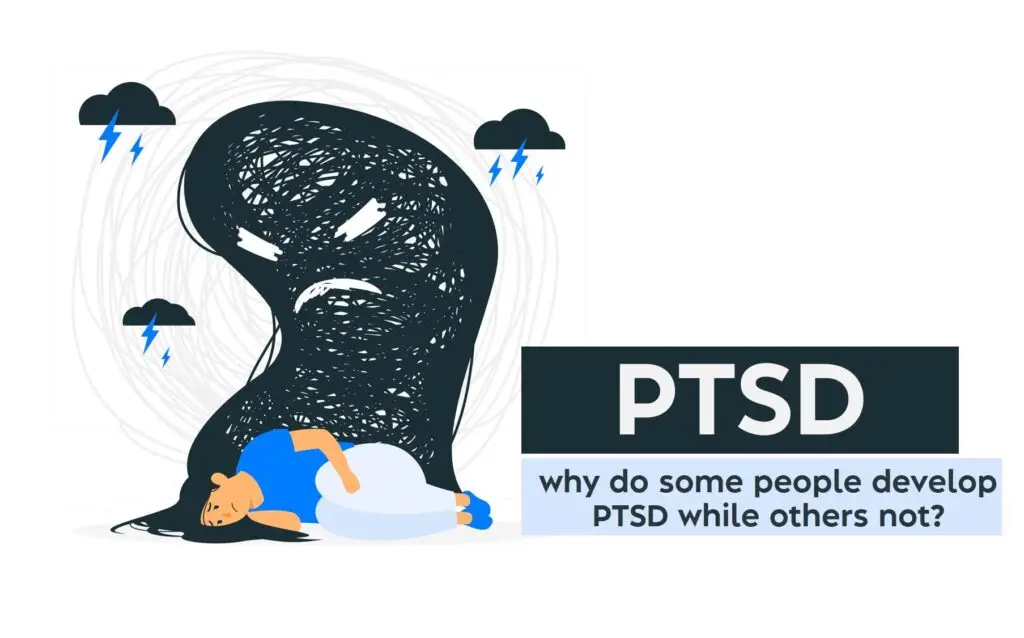
One of the most damaging misconceptions about PTSD is that it only affects combat veterans or survivors of dramatic, single-event traumas. The clinical reality is far broader. PTSD develops in survivors of sexual assault and domestic violence. It develops in people who experienced childhood neglect, emotional abuse, or grew up in chronically unsafe environments. It develops in first responders, healthcare workers, and accident survivors. It develops in people who were never in a war zone but who lived for years in a home that felt like one. Any experience — or pattern of experiences — that overwhelmed the nervous system’s capacity to cope can produce PTSD. The trauma does not have to look catastrophic to the outside world to feel catastrophic to the person who lived it.
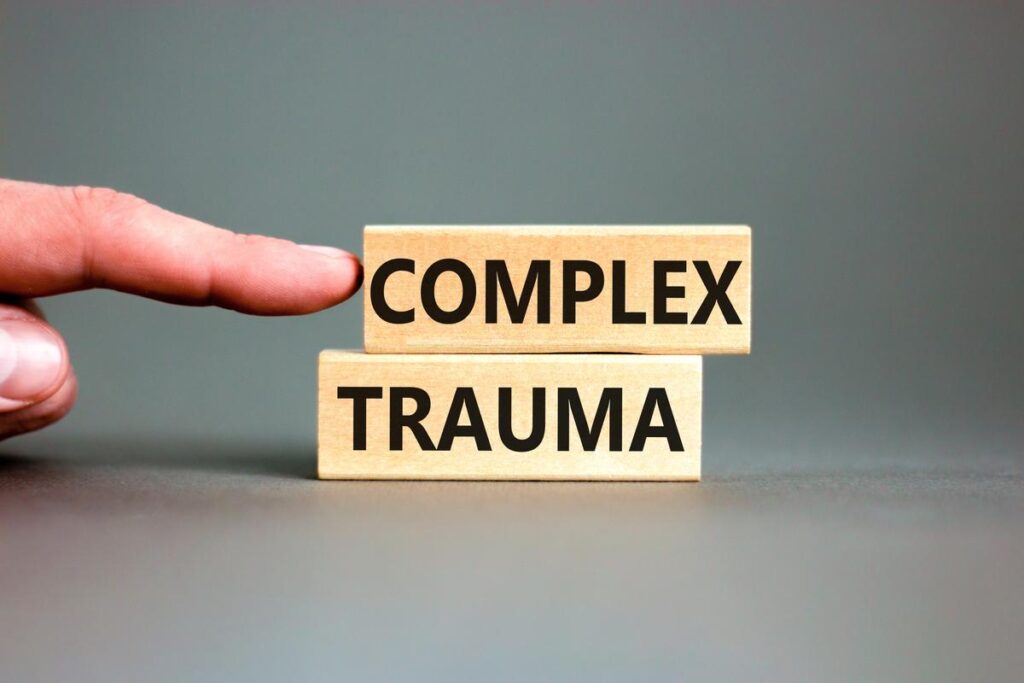
Complex PTSD — sometimes referred to as C-PTSD — is a related but distinct presentation that develops from prolonged, repeated trauma rather than a single traumatic event. It is most commonly associated with childhood abuse and neglect, long-term domestic violence, or sustained emotional and psychological abuse over months or years. C-PTSD shares the core symptom clusters of standard PTSD but also involves profound disruptions to self-identity, chronic emotional dysregulation, and deep difficulties with trust and relationships that require a more nuanced and extended treatment approach. At My2Cents Recovery our clinical team is trained to identify and treat both standard PTSD and complex PTSD with the precision each presentation requires.
According to the National Center for PTSD, approximately 70% of adults in the United States have experienced at least one traumatic event in their lifetime — and an estimated 20% of those who experience trauma go on to develop PTSD. That translates to millions of people living with a condition that is reshaping their nervous system, their relationships, and their daily experience of the world — often without a name for what they are going through or any access to the clinical care that could change everything. At My2Cents Recovery we are committed to being that access point — for everyone who is ready to finally address what they have been carrying.
Want to understand how PTSD connects to other mental health conditions we treat?
Trauma is not defined by how dramatic it looks to the outside world — it is defined by what it does to the person who experienced it.

Understanding the specific type of trauma behind your PTSD is not just clinically relevant — it is the foundation of a treatment plan that actually works. Different trauma types activate different neurological patterns, produce different symptom presentations, and respond most effectively to different therapeutic approaches. At My2Cents Recovery our clinical assessment identifies your specific trauma history from the very first session so that every therapy selected and every step of your care is precisely targeted to what you actually experienced — not a generalized trauma protocol designed for someone else.
Combat and military trauma is one of the most well-researched causes of PTSD — affecting an estimated 11% to 30% of veterans depending on the conflict and era of service. It encompasses direct combat exposure, witnessing the death or injury of fellow service members, moral injury from decisions made under impossible circumstances, and the profound disorientation of transitioning from a combat environment back to civilian life. At My2Cents Recovery we treat combat-related PTSD with deep respect for military culture and the unique clinical needs of veteran and active duty populations — including the specific intersection of combat trauma and substance use that affects so many who have served.
Sexual assault and abuse are among the most common causes of PTSD — and among the most underreported. Research shows that approximately 94% of women who experience sexual assault develop PTSD symptoms in the weeks following the assault, and a significant percentage go on to meet the full clinical criteria for the disorder. Sexual trauma produces a particularly complex PTSD presentation involving intense shame, body-based trauma responses, profound disruptions to intimacy and trust, and a high co-occurrence with substance use as survivors attempt to manage symptoms that feel impossible to disclose. At My2Cents Recovery sexual trauma is treated with the specialized clinical sensitivity and safety it demands.
Childhood trauma — including physical, sexual, and emotional abuse, neglect, household dysfunction, and growing up in chronically unsafe or unpredictable environments — is one of the most powerful predictors of PTSD and co-occurring substance use disorder in adulthood. The ACEs — Adverse Childhood Experiences — research has established a clear, dose-response relationship between the number of childhood traumas experienced and the likelihood of developing PTSD, addiction, depression, and serious physical health consequences later in life. Childhood trauma frequently produces Complex PTSD — a more pervasive presentation that affects identity, emotional regulation, and the capacity for safe relationships at the deepest level.
Serious accidents — motor vehicle collisions, workplace injuries, medical emergencies, natural disasters, and near-death experiences — are among the most common precipitating events for PTSD in the general population. The sudden, unexpected nature of these events is what makes them particularly disruptive to the nervous system — there is no warning, no preparation, and no ability to exert control over what is happening. People who develop PTSD following accidents frequently experience intrusive memories of the event, avoidance of situations that remind them of it, and a persistent sense that the world is fundamentally unsafe that reshapes daily functioning in ways that are not always immediately recognized as trauma responses.
Domestic violence — including physical, sexual, emotional, and psychological abuse within intimate partner relationships — produces a form of PTSD that is particularly complex because the source of the trauma was also the source of attachment and love. Survivors of domestic violence frequently experience hypervigilance in all subsequent relationships, intense difficulty trusting others, shame and self-blame that delays help-seeking for years, and a high rate of co-occurring substance use as they attempt to manage trauma symptoms in isolation. The chronic, repeated nature of domestic violence trauma often produces Complex PTSD — requiring a treatment approach that specifically addresses the relational damage alongside the trauma symptoms.
Emotional and psychological abuse — including chronic criticism, gaslighting, manipulation, humiliation, and the systematic erosion of self-worth — is one of the most underrecognized causes of PTSD precisely because it leaves no visible marks. Survivors are frequently told that what they experienced was not "bad enough" to warrant a PTSD diagnosis — a dismissal that compounds the original trauma and delays treatment for years. The clinical reality is that prolonged emotional and psychological abuse reshapes the nervous system, the self-concept, and the capacity for safe relationships with the same thoroughness as any other form of trauma — and it deserves the same quality of clinical treatment.

PTSD symptoms are not character flaws or overreactions — they are the nervous system doing exactly what it was designed to do in response to overwhelming experience. Understanding them is the first step toward changing them.
The symptoms of PTSD are organized into four clinical clusters in the DSM-5 — but what they look like in a real person’s daily life is far more varied, far more personal, and far harder to recognize than any clinical list suggests. Many people live with PTSD for years — sometimes decades — without ever connecting what they experience to trauma. They assume they are anxious by nature, that their relationships are just difficult, that their sleep has always been poor, that the way they feel is simply who they are. These symptoms exist to help you see the pattern for what it actually is — because recognition is always where recovery begins.
Flashbacks — vivid, involuntary reliving of traumatic events that feel as real and immediate as when they first occurred
Nightmares and disturbed sleep — recurring trauma-related dreams that disrupt rest and leave the body activated rather than restored
Intrusive memories — unwanted, distressing thoughts or images of traumatic events that arrive without warning throughout the day
Emotional flooding — intense emotional reactions triggered by reminders of the trauma that feel completely disproportionate to the present moment
Avoidance of trauma reminders — deliberately avoiding people, places, situations, sounds, or conversations that trigger memories of what happened
Emotional numbing — shutting down feelings entirely as a protective response to a nervous system that has been overwhelmed too many times
Dissociation — feeling detached from yourself, your body, or your surroundings — as though watching your own life from a distance
Memory gaps — inability to recall important aspects of the traumatic event or periods surrounding it
Persistent negative beliefs — deeply held convictions that you are permanently damaged, that the world is completely unsafe, or that no one can be trusted
Chronic shame, guilt, or self-blame — holding yourself responsible for what was done to you or what happened around you
Loss of interest in life — withdrawal from activities, relationships, and experiences that used to bring meaning or pleasure
Hypervigilance — a constant, exhausting state of high alert — scanning every environment for danger even when none is present
Exaggerated startle response — reacting intensely to sudden sounds, movements, or surprises in ways that feel embarrassing and uncontrollable
Difficulty concentrating — brain fog, memory problems, and inability to focus that affects work, relationships, and daily functioning
Irritability and angry outbursts — explosive reactions that feel disproportionate but are driven by a nervous system permanently set to high alert
Sleep disruption — difficulty falling asleep, staying asleep, or feeling rested — a nervous system that cannot fully disengage from threat mode even at night
When a nervous system is locked in permanent threat mode — hypervigilant by day, flooded by nightmares at night, ambushed by flashbacks without warning — the appeal of substances is not a mystery. Alcohol forces the nervous system into a state of chemical calm it cannot reach on its own. Opioids replace the chronic emotional pain and numbness with something that feels, briefly, like safety and warmth. Cannabis softens the hypervigilance and takes the sharp edges off the constant internal alarm. Benzodiazepines quiet the anxiety that shadows every waking moment. For someone with untreated PTSD, these are not recreational choices — they are survival strategies. The problem is that every substance used to manage PTSD symptoms ultimately makes those symptoms more severe, more treatment-resistant, and more deeply entrenched the longer they are used together.
If you recognized yourself in multiple symptoms across both columns — especially if substances have become part of how you manage them — what you are experiencing has a name, a clinical explanation, and a proven path to treatment. PTSD is one of the most researched mental health conditions in clinical medicine and the therapies developed to treat it — particularly EMDR and Cognitive Processing Therapy — have transformed the lives of millions of people who once believed they would never feel safe again. At My2Cents Recovery that transformation is not an exception. It is what we work toward every single day.
When the nervous system cannot find rest on its own, substances offer the only relief that works — until they stop working and start making everything worse.
The co-occurrence of PTSD and substance use disorder is one of the most consistently documented relationships in all of trauma research — and one of the most consistently undertreated in clinical practice. Studies show that between 30% and 60% of people seeking treatment for substance use disorder also meet the clinical criteria for PTSD. Among combat veterans with PTSD, that number climbs even higher — with some studies showing co-occurring substance use disorder in up to 75% of veterans presenting for PTSD treatment. The relationship is not coincidental and it is not a matter of weak character — it is a direct, predictable consequence of what living with untreated PTSD does to the human nervous system over time.
For someone living with untreated PTSD the nervous system is never fully off duty. Hypervigilance does not clock out at the end of the day. Flashbacks do not respect schedules or safe environments. Nightmares do not negotiate with a person’s need for rest. And when clinical treatment is not available — or not yet recognized as needed — substances fill the gap with a speed and a reliability that nothing else seems to match. Each substance targets a specific PTSD symptom with uncomfortable precision. Alcohol suppresses the hyperarousal and numbs the emotional flooding. Opioids replace the chronic pain of unprocessed trauma with a chemical warmth that feels, briefly, like safety. Cannabis softens the hypervigilance and reduces the startle response. Benzodiazepines quiet the anxiety that shadows every waking moment and force a nervous system in permanent threat mode into something resembling rest.
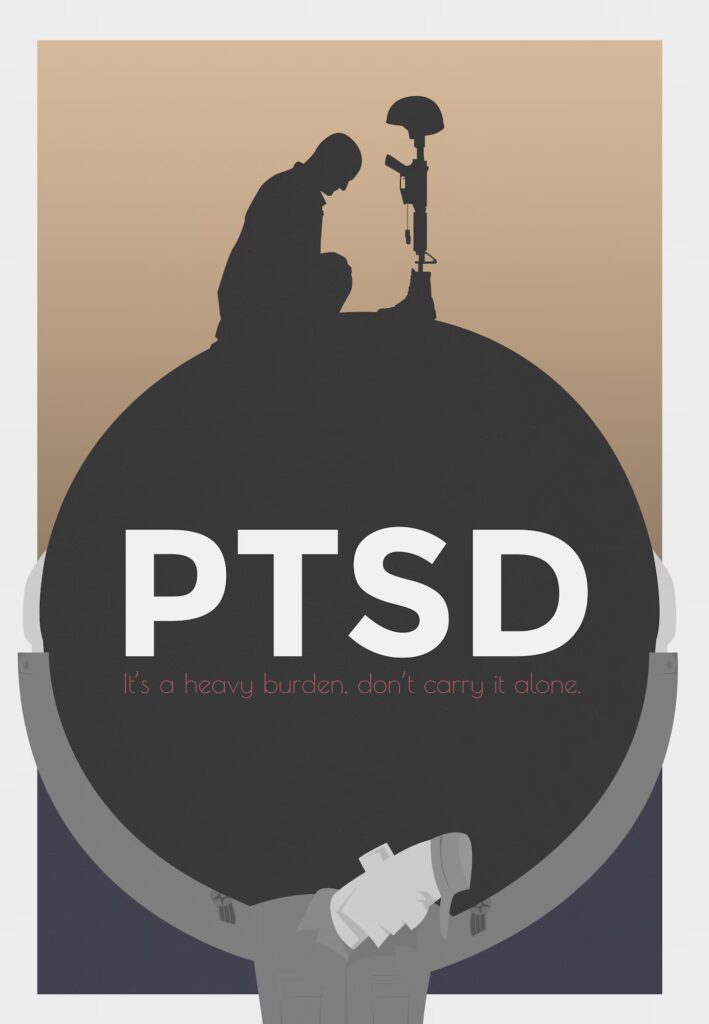
At My2Cents Recovery we treat PTSD and substance abuse together — from the very first day, with one unified clinical team, under one integrated treatment plan that never asks you to choose which condition gets addressed first. We understand that the PTSD is almost always what drove the substances into the picture — and that lasting recovery requires treating the trauma at the root with the same clinical seriousness, the same evidence-based precision, and the same unwavering commitment that we bring to every other aspect of your care.
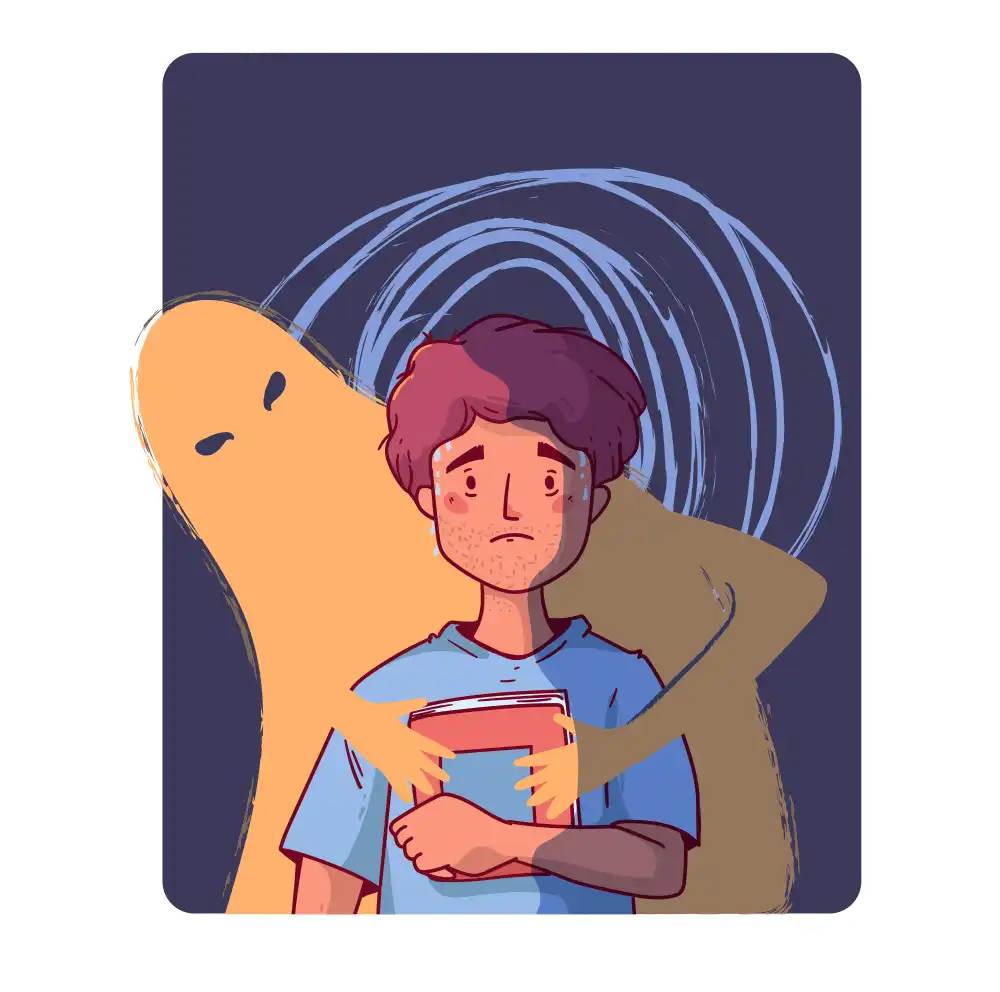
But the neurological cost of this self-medication cycle is severe — and it compounds with every use. Alcohol disrupts REM sleep — the sleep stage most critical for trauma processing — meaning that the very nightmares driving the drinking are made worse by the drinking itself. Opioids progressively blunt the brain’s natural capacity for emotional regulation, leaving the person even less equipped to manage trauma symptoms without the substance than they were before they started. Cannabis has been shown to increase anxiety and paranoia with prolonged use in people with PTSD — the opposite of the relief it initially provided. Benzodiazepines produce chemical dependency with a withdrawal profile that includes the very anxiety and hyperarousal symptoms the person was using them to manage. Every substance that provides short-term relief from PTSD symptoms produces long-term neurological consequences that make those symptoms measurably worse.
Then there is what PTSD does to addiction recovery when it goes untreated. Research consistently shows that untreated PTSD is one of the strongest predictors of relapse following substance use treatment. When the substance is removed and the PTSD underneath remains completely untouched — when the hypervigilance, the flashbacks, the nightmares, and the chronic emotional pain are still present and now completely unmanaged — the pull back toward substances is not a failure of commitment or resolve. It is a neurologically predictable response to unmanaged trauma pain. This is why so many people cycle through substance use treatment multiple times without achieving lasting recovery — and why integrated dual diagnosis treatment that addresses both conditions simultaneously is not optional for people with co-occurring PTSD and addiction. It is the only clinical model that works.
Want to understand how PTSD connects to other mental health conditions we treat?
PTSD does not fade with time. Without treatment, it deepens — reshaping the nervous system, the body, the relationships, and the life of everyone it goes untreated in.
One of the most dangerous myths about PTSD is that time heals it. That if a person just stays busy enough, stays distracted enough, keeps moving forward long enough — the trauma will eventually lose its hold. The clinical evidence says otherwise. Untreated PTSD does not resolve on its own in the vast majority of cases. It progresses. It spreads from the mind into the body. It moves from one area of life into every area of life. And the longer it goes without treatment the more entrenched the neurological patterns become, the more damage accumulates across every dimension of a person’s existence, and the harder — though never impossible — recovery becomes. What follows is not meant to frighten anyone. It is meant to name what is already happening — because recognition is always the beginning of change.
Progressive worsening of symptoms — flashbacks, nightmares, hypervigilance, and avoidance behaviors intensify over time without clinical intervention, not diminish
Escalating substance use — what began as occasional self-medication becomes physical dependency as the nervous system adapts to requiring the substance to function at baseline
Chronic depression — untreated PTSD is one of the strongest predictors of major depressive disorder, with co-occurring depression appearing in up to 50% of people with PTSD
Anxiety disorders — generalized anxiety, panic disorder, social anxiety, and agoraphobia are all significantly more common in people with untreated PTSD than in the general population
Relationship destruction — hypervigilance, emotional numbing, explosive anger, avoidance, and loss of trust systematically dismantle intimate partnerships, family relationships, and friendships
Occupational and financial collapse — concentration difficulties, absenteeism, interpersonal conflict, and the erosion of executive function gradually make sustained employment increasingly difficult to maintain
Physical health deterioration — the ACEs research and decades of subsequent study have established a direct link between untreated trauma and cardiovascular disease, autoimmune disorders, chronic pain, and significantly reduced life expectancy
Social isolation — the progressive withdrawal from relationships, community, and social engagement that PTSD drives produces a profound loneliness that compounds every other symptom
Suicidal ideation — untreated PTSD carries a significantly elevated lifetime risk of suicidal thoughts and attempts, particularly when co-occurring with depression and substance use disorder
Increased risk of additional trauma — the hypervigilance and poor judgment produced by untreated PTSD paradoxically increase vulnerability to additional traumatic experiences, creating cycles that are extraordinarily difficult to break without professional support
For veterans and active duty military reading this — the numbers are not abstract. The Department of Veterans Affairs estimates that an average of 17 veterans die by suicide every single day in the United States. PTSD and co-occurring substance use disorder are consistently identified as primary contributing factors. If you are a veteran experiencing suicidal thoughts right now — please contact the Veterans Crisis Line by calling 988 and pressing 1, texting 838255, or chatting at VeteransCrisisLine.net. Confidential support from responders who understand military culture and combat trauma is available 24 hours a day, 7 days a week, 365 days a year.
For anyone experiencing a mental health crisis or suicidal thoughts — regardless of military status — the 988 Suicide and Crisis Lifeline is available 24/7 by simply calling or texting 988. You do not need to be in immediate danger to call. You do not need to have a plan. You only need to be struggling — and that is enough.
If you recognized yourself or someone you love in this list — that recognition matters more than you may realize right now. None of these consequences are permanent. None of them are the final word on what your life looks like from here. PTSD is one of the most treatable mental health conditions in clinical medicine when addressed with the right combination of trauma-focused therapy, integrated dual diagnosis care, and a clinical team that understands the full complexity of what you are carrying. At My2Cents Recovery we have seen people arrive carrying decades of untreated trauma — and we have watched them rebuild their lives with a thoroughness and a permanence that neither they nor anyone who loved them fully believed was still possible. It is possible. And it starts with one conversation.


Every therapy we use at My2Cents Recovery is supported by decades of clinical research. Every treatment plan we build is designed around one specific person — you.
There is no shortage of treatment programs that claim to treat trauma. What separates My2Cents Recovery is not the claim — it is the clinical architecture behind it. We do not apply a single modality to every client and call it trauma treatment. We conduct a thorough clinical assessment of your specific trauma history, your current symptom presentation, your co-occurring conditions, and your personal goals — and we build a treatment plan that uses the right combination of evidence-based therapies, delivered in the right sequence, by clinicians who specialize in trauma and dual diagnosis care. What follows is not a menu of services. It is a description of how we actually work.
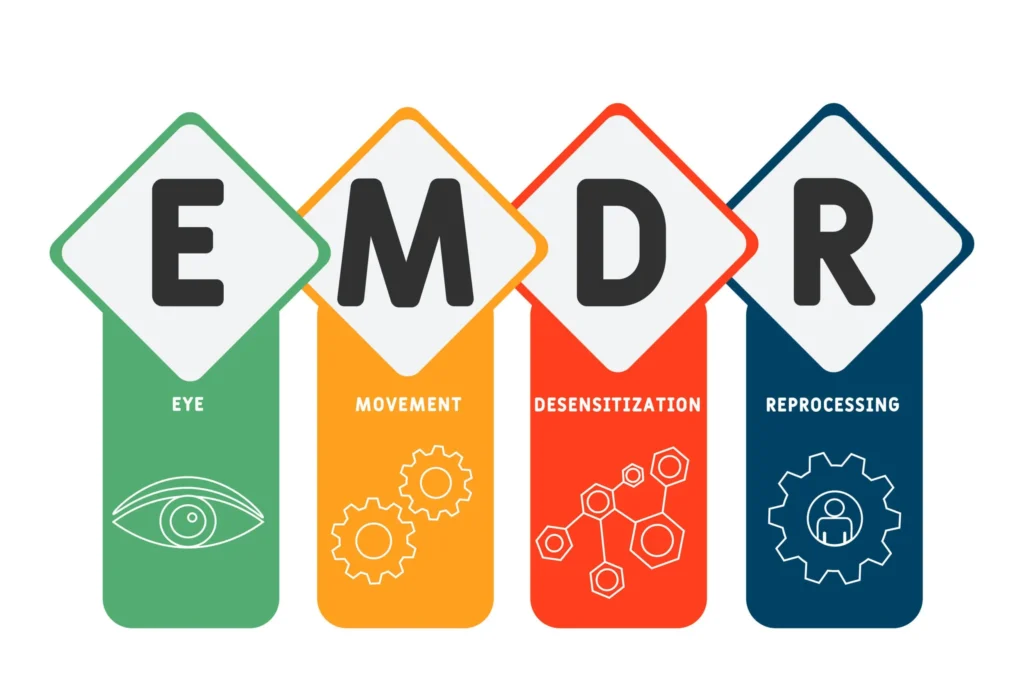
EMDR is the most extensively researched trauma therapy in clinical medicine — endorsed by the World Health Organization, the American Psychiatric Association, and the Department of Veterans Affairs as a first-line treatment for PTSD. It works by using bilateral sensory stimulation — typically guided eye movements — to help the brain reprocess traumatic memories that have become neurologically stuck, stored not as past events but as present threats that the nervous system continues to respond to as though they are happening right now. The goal of EMDR is not to erase the memory — it is to change the way the nervous system holds it, so that what was once a wound that ambushed you without warning becomes a memory that belongs to the past where it actually happened. At My2Cents Recovery EMDR is delivered by trained, certified clinicians with specific expertise in complex trauma and dual diagnosis presentations.
Cognitive Processing Therapy is a structured, evidence-based treatment for PTSD that focuses on identifying and directly challenging the distorted beliefs that trauma produces — the beliefs that tell you the world is permanently unsafe, that you are permanently damaged, that what happened was your fault, that you will never be able to trust another person again. CPT works by helping you examine those beliefs with clinical precision — not to dismiss what you experienced, but to separate the accurate conclusions from the distortions that trauma wrote into your thinking — and to replace them with a more balanced, accurate, and livable understanding of yourself, other people, and the world. It is particularly effective for survivors of sexual assault, childhood trauma, domestic violence, and moral injury — trauma types where shame, self-blame, and distorted beliefs about personal responsibility are the most clinically prominent features.
Trauma-informed care is not a single therapy — it is the clinical lens through which every interaction, every assessment, every group session, every individual appointment, and every staffing decision at My2Cents Recovery is made. It means that every clinician on our team understands how trauma reshapes behavior, perception, emotional regulation, and the capacity for trust — and responds to those presentations with clinical knowledge rather than judgment. It means that we never ask you to do anything that requires more safety than you currently have. It means that your pace is the right pace. It means that your history is held with the precision and the respect it deserves at every level of your care — not just in the therapy room, but in every corner of your treatment experience.
IDDT means the same treatment team works on both conditions together instead of treating them separately. The goal is to reduce trauma symptoms, reduce substance use, and improve long-term recovery outcomes with one integrated service plan. This approach is especially useful when substance use is being used to cope with PTSD symptoms, because treating only one issue often leaves the other untreated.
The most important thing to understand about PTSD treatment is that sequence matters as much as selection. Introducing trauma processing therapies like EMDR before a client has adequate stabilization, safety, and coping resources can retraumatize rather than heal. Starting substance use treatment without any clinical attention to the underlying PTSD guarantees that the pain driving the substances remains fully intact the moment treatment ends. At My2Cents Recovery our clinical team sequences your treatment with the same precision a surgeon brings to an operating room — because the order in which things happen is not an administrative detail. It is the difference between a treatment experience that holds and one that doesn’t.
Comprehensive trauma-focused clinical assessment — identifying all trauma types, symptom clusters, co-occurring conditions, and treatment history from day one
Individual trauma therapy — EMDR and/or CPT delivered one-on-one by a trauma-specialized clinician at the frequency your presentation requires
Group therapy — trauma-focused group sessions that build safety, reduce isolation, and provide the lived experience of being understood by people who have been through similar experiences
Medication-assisted treatment (MAT) — where clinically appropriate, medication support for both the substance use and the neurobiological dimensions of PTSD
Psychiatric evaluation and medication management — full psychiatric support for co-occurring depression, anxiety, and mood disorders that accompany PTSD
Family therapy — when clinically appropriate, structured support for the family members and loved ones whose relationships have been shaped by living alongside untreated trauma
Aftercare and relapse prevention planning — a discharge plan built with the same clinical seriousness as the admission assessment — because what happens after treatment is as important as what happens during it
Alumni and ongoing recovery support — continued connection to the My2Cents Recovery community beyond the formal treatment episode
You do not need to arrive knowing which therapy is right for you. You do not need to have read the research on EMDR or understand the structure of CPT before you make the call. You only need to arrive — and our clinical team will do the rest. Every treatment plan at My2Cents Recovery begins with one conversation — a free, confidential assessment that gives you a clear picture of what you are carrying, what treatment would actually look like for you specifically, and what the path forward from where you are right now could realistically be. That conversation costs nothing. What continuing to carry this alone costs — in your health, your relationships, your career, and your years — is something only you can measure.
Choosing where to begin treatment is one of the most important decisions a person in pain will ever make. Here is exactly what makes My2Cents Recovery the right choice — and why it matters for your specific situation.
Every treatment center in Los Angeles will tell you they treat trauma. Very few can tell you precisely how — and fewer still can demonstrate the clinical infrastructure, the specialized staff, the integrated dual diagnosis model, and the documented outcomes that separate a program that genuinely works from one that means well. At My2Cents Recovery we do not ask you to take our word for it. We show you the clinical evidence, the treatment architecture, and the specific differentiators that define how we work — so that by the time you make that call, you are making an informed decision with full confidence in what you are choosing and why.
Every therapist at My2Cents Recovery who conducts trauma treatment is specifically trained and credentialed in trauma-focused modalities — including EMDR certification and CPT training. We do not assign general practice therapists to complex trauma cases. Trauma treatment requires a specialized clinical skill set, and the people delivering yours have it.
We do not treat your PTSD in one department and your substance use disorder in another and hope the two plans align. One unified clinical team holds both conditions simultaneously from day one — because that integration is not a convenience. It is the clinical standard that makes lasting recovery possible for people carrying both.
No two trauma histories are alike. No two people respond to the same therapeutic sequence in the same way. At My2Cents Recovery your treatment plan is built from scratch around your specific history, your current presentation, your co-occurring conditions, and your personal recovery goals — not borrowed from a template designed for someone else.
We understand combat trauma, moral injury, and the specific clinical complexity of transitioning from military to civilian life in a way that general treatment programs do not. Our team includes clinicians with specific training in veteran-centered trauma care — and we hold military culture with the respect it deserves at every level of the treatment experience.
Trauma-informed care at My2Cents Recovery is not a philosophy statement on a wall. It is the operating standard of every staff interaction, every group session, every clinical decision, and every physical space in our program. Safety, trust, transparency, and choice are not aspirational values here — they are structural requirements of how we work.
The moment a person with PTSD decides to reach out for help is a moment that does not always arrive at a convenient time. Our admissions team is available 24 hours a day, 7 days a week — because we understand that readiness does not wait for business hours, and we will never let the clock be the reason someone did not get the help they were ready to receive.
Recovery from complex trauma and co-occurring addiction rarely happens in a single level of care. My2Cents Recovery offers a full clinical continuum — from medically supervised detox through residential treatment through partial hospitalization through intensive outpatient — so that your level of care matches your clinical needs at every stage of recovery, and transitions between levels happen within one trusted clinical relationship rather than being handed off to an unfamiliar program.
Los Angeles is one of the most resource-rich recovery environments in the country — and My2Cents Recovery is positioned within it to give clients access to the full breadth of clinical, community, and peer support resources the region offers. For those traveling for treatment, our admissions team handles every logistical detail so that the only thing you need to focus on when you arrive is your recovery.
Trauma does not only affect the person who experienced it. It reshapes every relationship around them. At My2Cents Recovery family therapy and structured family education are integrated into the treatment model — because the people who love you deserve clinical support too, and because the relational repair that happens when families heal together is one of the most powerful predictors of sustained long-term recovery.
We believe that financial barriers should never be the reason a person with PTSD does not receive the treatment they need. My2Cents Recovery works with most major insurance providers, and our admissions team will conduct a full benefits verification on your behalf — free of charge, with complete confidentiality — so that you have a clear, honest picture of your coverage before you make any decisions. We also offer guidance on private pay options and financing for clients whose insurance does not cover the full cost of care. The conversation about cost will never be a barrier to having the conversation about treatment.d
You have been carrying this long enough. The hypervigilance, the nightmares, the flashbacks, the relationships that keep fracturing, the substances that stopped working but that you cannot stop reaching for — none of that has to be the permanent condition of your life. My2Cents Recovery exists because people with complex trauma and co-occurring addiction deserve a program built with the clinical precision, the genuine compassion, and the unwavering commitment their situation actually requires. We are here. We are ready. And one conversation is all it takes to find out what is possible from exactly where you are standing right now.
In-Network With Top LA County Providors







The questions people ask most when they are trying to understand what they are carrying — and what it would actually take to feel better.
PTSD — Post-Traumatic Stress Disorder — is a clinical mental health condition that develops in some people after experiencing or witnessing a traumatic event. It is characterized by four core symptom clusters: intrusive re-experiencing of the trauma through flashbacks, nightmares, and unwanted memories; persistent avoidance of trauma reminders; negative changes in thoughts, mood, and beliefs about yourself and the world; and hyperarousal symptoms including hypervigilance, exaggerated startle response, difficulty sleeping, and irritability. If you have experienced a traumatic event and recognize these symptoms in your daily life — particularly if they have persisted for more than one month and are affecting your ability to function at work, in relationships, or in daily activities — a clinical assessment with a trauma-specialized provider is the appropriate next step. A formal PTSD diagnosis requires a licensed clinician, but recognition of these patterns is where that process begins.
For a small percentage of people, PTSD symptoms reduce naturally over time — particularly when the traumatic event was a single incident, when strong social support is immediately available, and when no co-occurring conditions are present. However, for the majority of people with PTSD — particularly those with complex or repeated trauma histories, co-occurring substance use, or limited social support — symptoms do not resolve without clinical intervention. In many cases they worsen progressively over time, spreading from specific triggered moments into a pervasive reorganization of how the nervous system functions across all areas of life. The clinical evidence is consistent: the earlier PTSD is treated with evidence-based therapy, the better the outcomes — and the less accumulated damage across health, relationships, and functioning the person carries into recovery.
The two most extensively researched and clinically validated treatments for PTSD are EMDR — Eye Movement Desensitization and Reprocessing — and CPT — Cognitive Processing Therapy. Both are endorsed as first-line treatments by the World Health Organization, the American Psychiatric Association, and the Department of Veterans Affairs. EMDR works by using bilateral sensory stimulation to help the brain reprocess traumatic memories that have become neurologically stuck. CPT works by identifying and directly challenging the distorted beliefs that trauma produces about safety, trust, control, esteem, and intimacy. For people with co-occurring PTSD and substance use disorder, integrated dual diagnosis treatment that addresses both conditions simultaneously within a single unified clinical model produces significantly better outcomes than treating either condition in isolation.
The duration of PTSD treatment varies significantly depending on the complexity of the trauma history, the presence of co-occurring conditions, the level of care required, and the individual's response to treatment. For single-incident trauma without co-occurring conditions, structured EMDR or CPT protocols can produce significant symptom reduction in 8 to 16 sessions. For complex PTSD — resulting from prolonged, repeated, or childhood trauma — or for clients with co-occurring substance use disorder, treatment is a more extended process that may involve residential or partial hospitalization levels of care followed by a stepped-down outpatient phase. At My2Cents Recovery your treatment timeline is determined by your clinical presentation and your progress — not by an insurance authorization calendar — and your care team will be transparent with you about what a realistic recovery timeline looks like for your specific situation from the very beginning.
The duration of PTSD treatment varies significantly depending on the complexity of the trauma history, the presence of co-occurring conditions, the level of care required, and the individual's response to treatment. For single-incident trauma without co-occurring conditions, structured EMDR or CPT protocols can produce significant symptom reduction in 8 to 16 sessions. For complex PTSD — resulting from prolonged, repeated, or childhood trauma — or for clients with co-occurring substance use disorder, treatment is a more extended process that may involve residential or partial hospitalization levels of care followed by a stepped-down outpatient phase. At My2Cents Recovery your treatment timeline is determined by your clinical presentation and your progress — not by an insurance authorization calendar — and your care team will be transparent with you about what a realistic recovery timeline looks like for your specific situation from the very beginning.
Yes — and the clinical relationship between PTSD and substance use disorder is one of the most consistently documented in all of trauma research. Between 30% and 60% of people seeking treatment for substance use disorder also meet the full clinical criteria for PTSD. The mechanism is well understood: when a nervous system is locked in permanent threat mode — hypervigilant by day, flooded by nightmares at night, ambushed by flashbacks without warning — substances offer a chemical relief that the nervous system cannot produce on its own. Alcohol suppresses hyperarousal. Opioids replace chronic emotional pain with chemical warmth. Cannabis softens hypervigilance. Benzodiazepines force a nervous system in threat mode into something resembling rest. The problem is that every substance used to manage PTSD symptoms ultimately makes those symptoms neurologically worse — and untreated PTSD is one of the strongest predictors of relapse following substance use treatment when the trauma underneath goes unaddressed.
In most cases, yes. Under the Mental Health Parity and Addiction Equity Act, insurance providers are required to cover mental health and substance use disorder treatment at the same level they cover medical and surgical care. Most major insurance plans — including Blue Cross Blue Shield, Aetna, Cigna, United Healthcare, and Humana — provide coverage for PTSD treatment including inpatient, residential, partial hospitalization, and outpatient levels of care. The specific benefits, deductibles, copays, and prior authorization requirements vary by plan. At My2Cents Recovery our admissions team will conduct a complete, confidential insurance verification on your behalf at no cost — so that you have a clear, accurate picture of your coverage before making any decisions about treatment.
EMDR — Eye Movement Desensitization and Reprocessing — is a structured, evidence-based psychotherapy developed by Dr. Francine Shapiro that uses bilateral sensory stimulation — most commonly guided eye movements — to help the brain reprocess traumatic memories that have become neurologically stuck. The brain stores traumatic memories differently from ordinary memories — often without full context, without a clear sense that the event is over, and with the full emotional and physiological activation of the original experience still attached. EMDR works by activating the traumatic memory while simultaneously engaging bilateral brain stimulation, allowing the nervous system to reprocess the memory into a form that belongs to the past rather than continuing to function as a present threat. Decades of randomized controlled trials and multiple meta-analyses confirm that EMDR produces significant, lasting reduction in PTSD symptoms — with the WHO, APA, and VA all endorsing it as a first-line treatment. At My2Cents Recovery EMDR is delivered by trained and certified clinicians with specific expertise in complex trauma presentations.
Yes — PTSD can develop at any age, including in young children and adolescents. In fact, early childhood trauma is one of the most significant predictors of PTSD and co-occurring mental health and substance use disorders in adulthood. The symptom presentation in children and adolescents often differs from the adult presentation — younger children may express trauma through repetitive play that reenacts the traumatic event, new separation anxiety, regressive behaviors, and physical complaints without clear medical cause. Adolescents may present with risk-taking behavior, school avoidance, substance use, aggression, or social withdrawal that is not always immediately recognized as a trauma response. Early identification and trauma-focused treatment in young people produces significantly better long-term outcomes than waiting until symptoms become entrenched in adulthood.
Helping a loved one with PTSD who is resistant to treatment is one of the most emotionally exhausting positions a person can be in — and one of the most common reasons family members contact My2Cents Recovery before the person with PTSD does. The most important things to understand are: pressure and ultimatums rarely accelerate readiness and frequently damage the trust that makes eventual help-seeking possible; education about PTSD as a neurological condition rather than a character flaw or choice can reduce the shame that is often the primary barrier to treatment; and your own wellbeing matters and deserves support regardless of where your loved one is in their readiness. My2Cents Recovery offers family consultation calls that are free, confidential, and specifically designed to give the people who love someone with PTSD the clinical guidance, the communication strategies, and the support they need — whether or not their loved one is ready to call yet.
One conversation. Free. Confidential. No commitment required. Just the truth about what is possible from exactly where you are right now.
If you have read this far — through the science, through the symptom descriptions, through the treatment modalities, through the questions that named what you have been living — something in you is already reaching toward something different. That reaching matters. It is not weakness. It is the part of you that has always known that what you are carrying is not the whole story of who you are or what your life is allowed to look like from here. At My2Cents Recovery we have answered that reach from thousands of people who arrived exactly where you are right now — exhausted, skeptical, unsure if anything could actually work for them specifically — and we have watched them build lives that neither they nor anyone who loved them fully believed were still possible. That possibility is not a sales promise. It is the documented outcome of what happens when the right clinical treatment meets the right moment of readiness. You are in that moment right now.
Available 24 hours a day, 7 days a week — including nights, weekends, and holidays. When you call you will speak with a real, trained admissions specialist — not an automated system, not a voicemail box — who understands trauma, understands addiction, and will give you honest, clinical answers to every question you have.
Find out exactly what your plan covers — in minutes, completely free, with complete confidentiality. Our admissions team handles the entire verification process on your behalf so that cost is never the reason you did not get the help you needed.
Not ready to call? Send us a message and a member of our admissions team will respond within hours — with the same clinical knowledge, the same zero-judgment standard, and the same commitment to helping you find the clearest possible path forward.
Free. Confidential. No commitment required.
Blue Cross Blue Shield · Aetna · Cigna · United Healthcare · NYShip · And More
Your information is never sold, shared, or used for any purpose other than connecting you with care.
Recovery from trauma is not the absence of what happened to you. It is the restoration of your ability to live fully in spite of it — and eventually, in ways that would not have been possible without the depth that surviving it gave you. The people who walk out of My2Cents Recovery are not the same people who walked in. Not because the trauma is erased. But because it no longer runs the show. Because the nervous system that was permanently set to threat has learned — with clinical support and evidence-based precision — that the threat is over. That it survived. That what comes next gets to be different. That is what we are here to help you build. One conversation at a time. Starting with yours.
We use cookies to improve your experience on our site. By using our site, you consent to cookies.
Manage your cookie preferences below:
Essential cookies enable basic functions and are necessary for the proper function of the website.
These cookies are needed for adding comments on this website.
You can find more information in our Cookie Policy and .