Medical detox &Levels of care
Not sure where to start?
The first step is a free phone assessment. We'll help you find the level of care that fits.
Call +1 (747) 500-4969 →My2Cents Recovery
My2Cents RecoveryGranada Hills · Los Angeles CountyDetox · Residential
Detox in Granada Hills starts with one free, private phone call. It doesn’t commit you to anything. Admission is sometimes possible the same day.
Start here · Who are you looking for help for?
For myselfYou don't need a plan yet. Call, ask questions, and find out if medical detox is right for you.
What happens when you call →

For someone I loveYou can call before they say yes. We'll help you understand what's going on and plan what to say.
Help for families →

For professionalsClinical fit, bed openings and a benefits check, answered by phone 24 hours a day.
How referrals work →A member of our admissions team asks what you use, how much, and for how long. We also ask about your health, your medicines and your mental health. You can ask us anything.
With your OK, we contact your insurance company. We find out what your PPO plan pays for out-of-network care. Then we explain it in plain words before you decide.
If our program is a safe fit, we set a day and time and tell you what to bring. If it's not the right fit, we help you find a program that is.
You don't have to have it all figured out.
You just have to call.
Stage 1 · usually 5 to 10 days
Your body clears the substance while our medical team checks your vital signs and treats withdrawal. We use medicine when it's needed to keep you safe and more comfortable. The length depends on the substance, how much you used, and your health.
Stage 2 · the weeks that follow
Once you're stable, the real work starts. You'll have one-on-one therapy, group sessions and time to rest in a calm home. We treat anxiety, depression and trauma alongside substance use. How long you stay depends on your progress and on what your insurance approves. We keep you updated on both.
Stage 3 · before you go home
We don't run outpatient programs here. So before you leave, we line up your next step: a partial hospitalization program (PHP), an intensive outpatient program (IOP), outpatient therapy or peer support. You leave with a plan and a name to call.
Illustration, not to scale. Timing varies by substance, amount and health. Source: MedlinePlus.
Detox gets you through withdrawal.
Residential treatment helps you stay well.
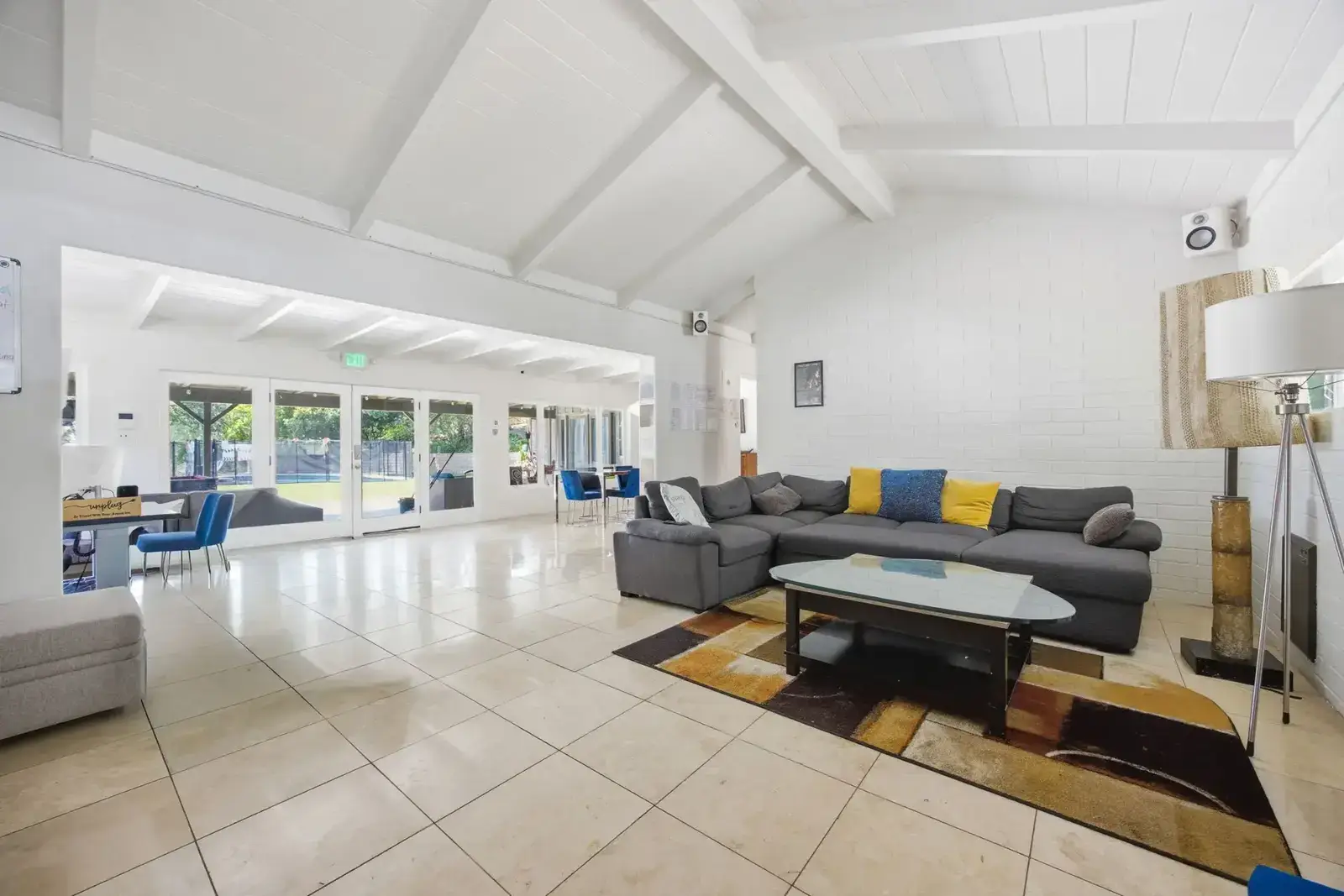
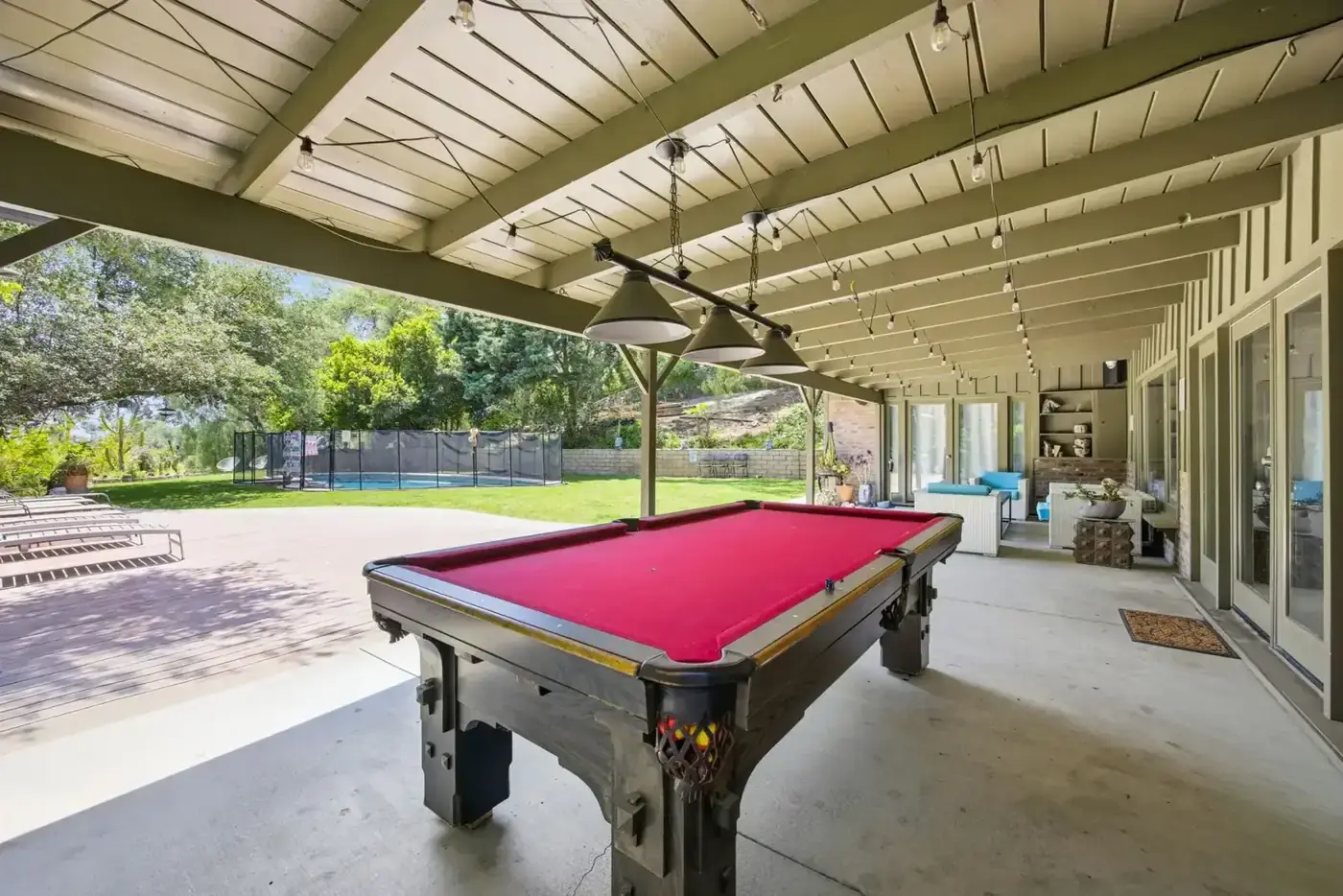
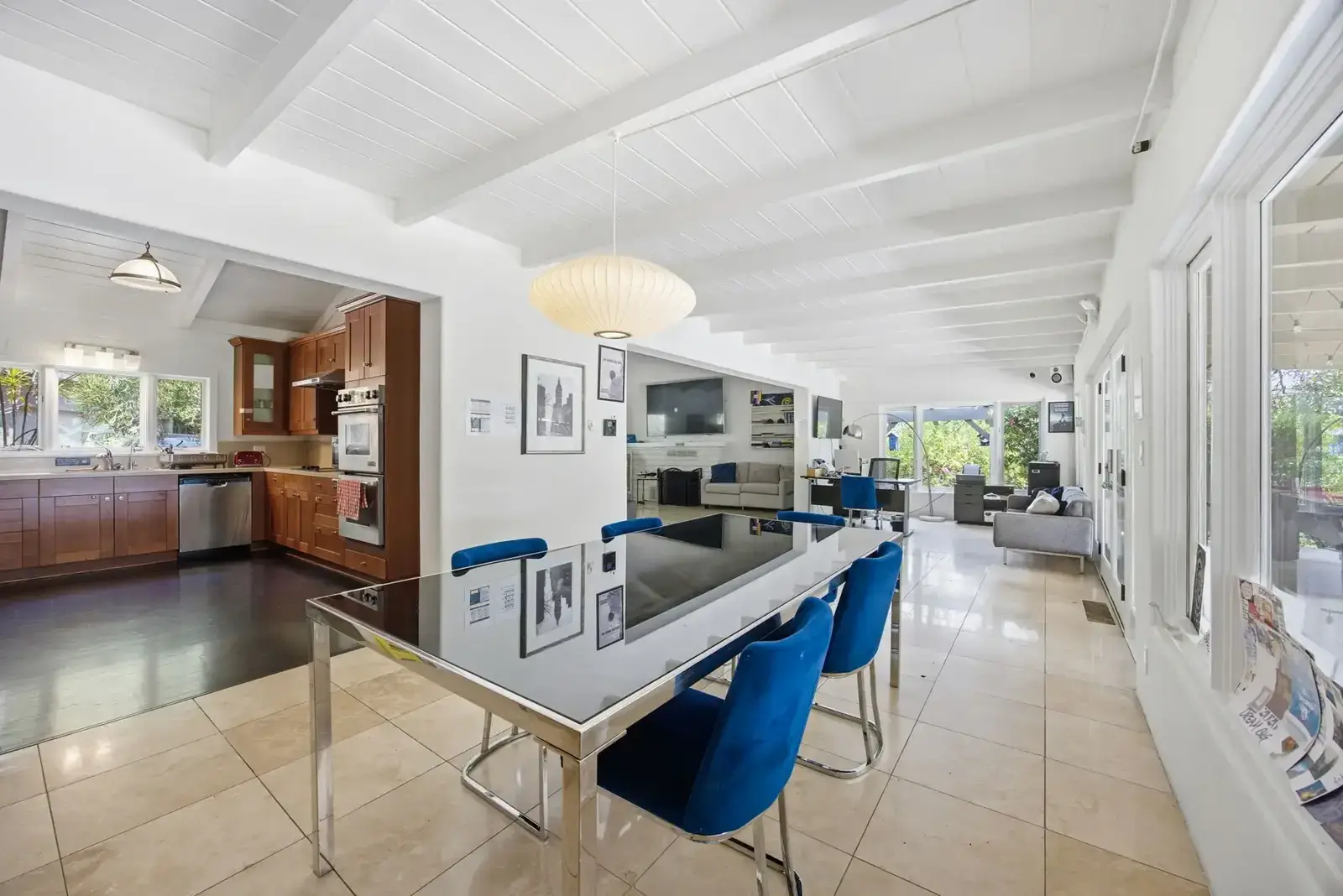
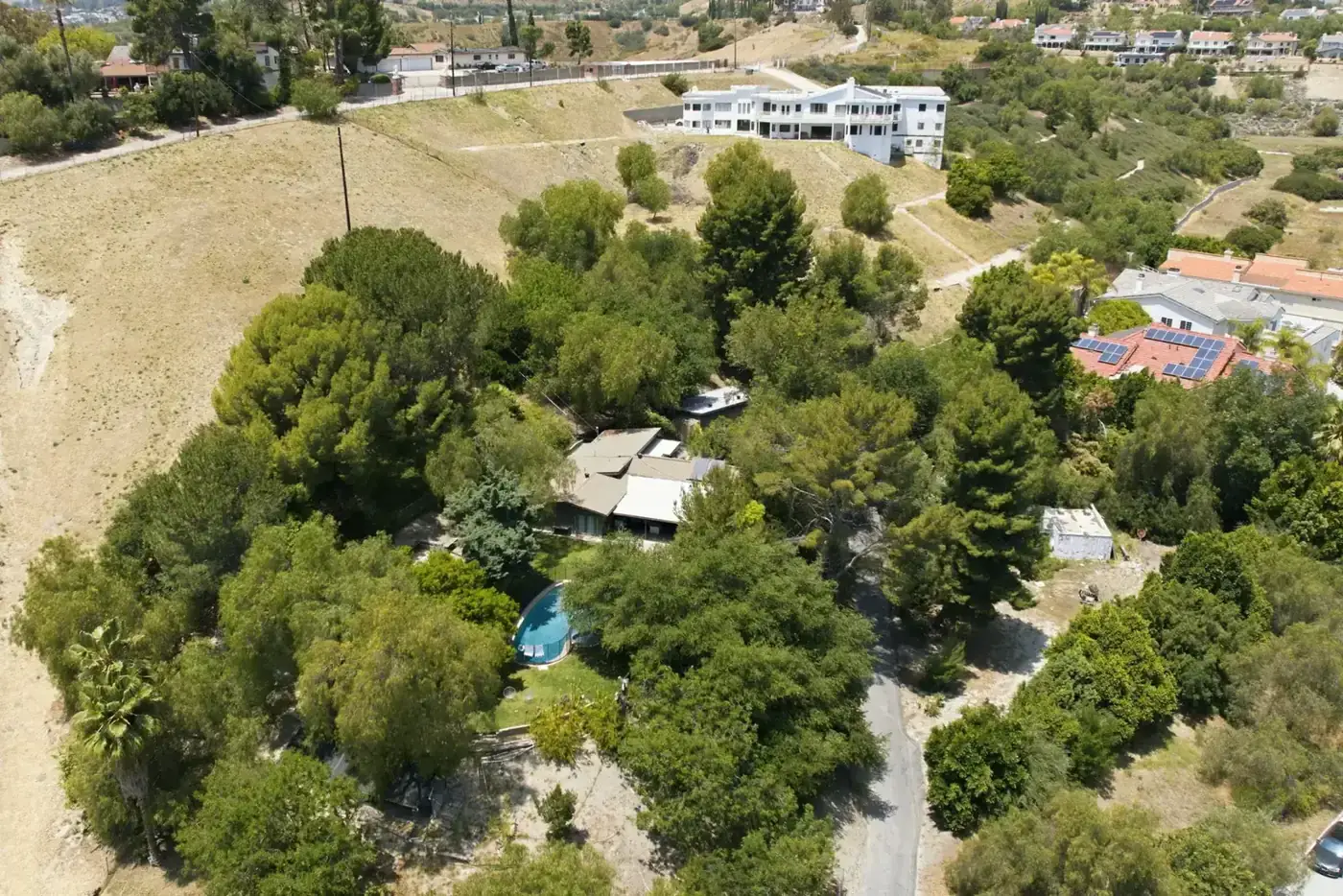
Swipe to tour the house →
Real photos of 12000 Highwater Road. No stock images.
See all 30 photos of the house →Most people who come to us use more than one substance. We build your medical detox plan around all of them

Withdrawal can start within hours of the last drink. It can cause seizures. After heavy daily drinking, stopping suddenly without medical care can be dangerous.

Withdrawal is hard to push through alone. After detox, tolerance drops, so a usual dose can cause an overdose. FDA-approved medicines can ease withdrawal and lower that risk. Ask us which options fit you.

Coming off meth often brings deep exhaustion, low mood and strong cravings. Some people need close watching for psychosis or thoughts of self-harm.

Xanax, Klonopin, Valium and similar drugs. Stopping suddenly can cause seizures, so benzos need a slow, supervised taper.

The crash can bring depression, anxiety and strong cravings. No medicine is FDA-approved for cocaine addiction yet. Therapy and close support are the main treatment.
Stopping often means tiredness, low mood and trouble focusing. We help you get through it safely and look at what's driving the use.

Cannabis withdrawal is real: poor sleep, irritability and low appetite. Most symptoms ease within 1 to 2 weeks, though sleep can take longer.

Mixing substances raises the risks of withdrawal. Tell us everything on the call. It helps us plan a safer detox.

Many of our clients also live with a mental health condition. We treat it alongside a substance use disorder, because each one can make the other worse. Our state license is for people with an active substance use disorder. If you need mental health care only, we'll help you find the right program.
Some withdrawal can turn dangerous within hours.
Medical detox means a trained team is watching for it.

The brain
Drugs and alcohol flood the brain's reward system. Over time the brain adapts. Everyday pleasures feel flat, and cravings get louder. The part of the brain that helps you pause and choose gets weaker.

Withdrawal
Once the brain has adjusted to a substance, taking it away throws the body off balance. That's why withdrawal can be dangerous, and why medical detox exists.
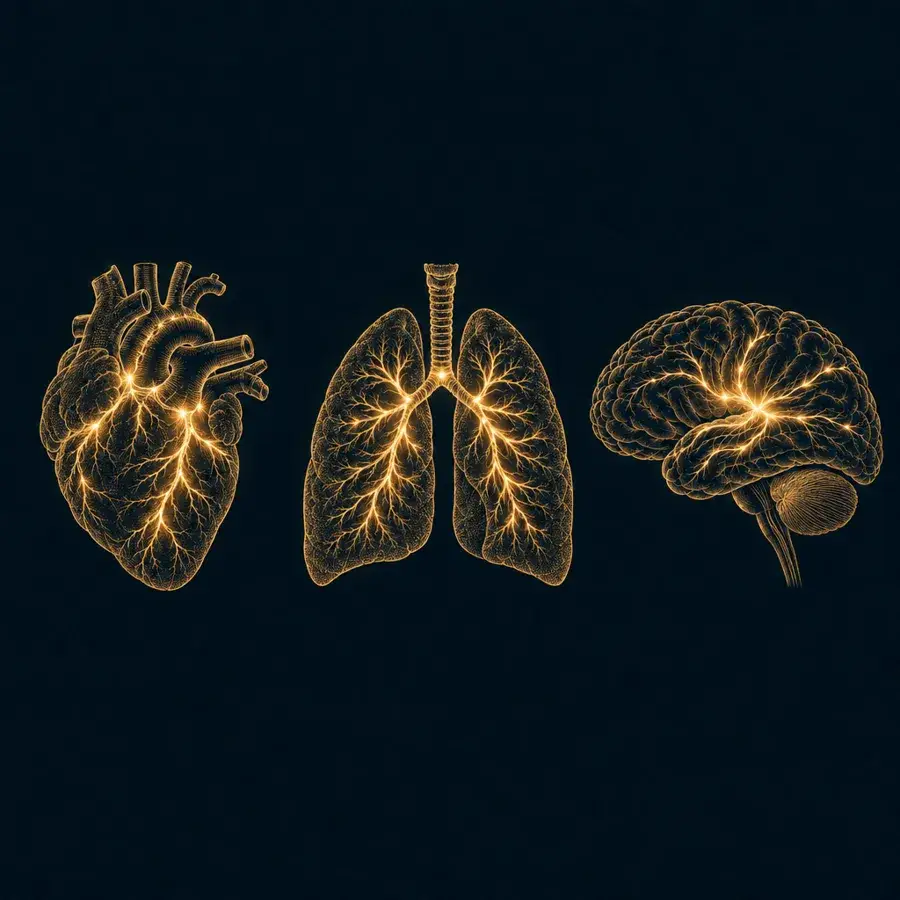
A chronic condition
Addiction can be managed for life with treatment and daily work. About 40 to 60 percent of people in recovery relapse at some point. That's similar to asthma and high blood pressure. A relapse doesn't mean treatment failed. It means the plan needs to change.

Recovery
Recovery takes real work. Treatment gives that work its best chance by caring for the biology too, so you're not fighting your own brain alone.

Yes, addiction is a treatable disorder.National Institute on Drug Abuse · Treatment and Recovery
Worried about someone you love? Learn how to help them →
Understanding it is the first step.
Treating it is the next one.
Our clients have used out-of-network benefits for medical detox and residential treatment from PPO plans like these
Sample · what you'll hear back from us
Sample only. Your real numbers come from your plan.
Not accepted: Medi-Cal · HMO plans
Insurer names are trademarks of their owners. We're not in-network with any insurer, and coverage varies by plan.
A surprise bill is the last thing you need right now.
So we check your benefits and explain your costs before you decide.
A federal parity law says most plans can't limit addiction care more than other medical care. Learn about your rights.
Free · Private · No commitment
We call you back with your numbers.
We treat what you share as private health information. Prefer to talk? +1 (747) 500-4969.
You can call us before they agree to get help. Many families do. We’ll answer your questions, explain how medical detox works, and help you plan what to say.
Does this sound familiar?
You don't need to be sure before you call. We'll listen, answer your questions and help you decide what to do next. Your call stays private.


Watch for changes in sleep, weight or mood. Missed work or school. Money problems and secrecy. Shaking, sweating or sickness in the morning that goes away after a drink or a pill (a sign of withdrawal).
Read: What addiction is and how it changes the brain →

Family methods like CRAFT are backed by research. You learn to notice sober moments and stop covering for use. Then you bring up addiction treatment when your loved one is open In studies, about two out of three families using CRAFT got a loved one who had refused help to start treatment.
Read: How to talk with a loved one about treatment →
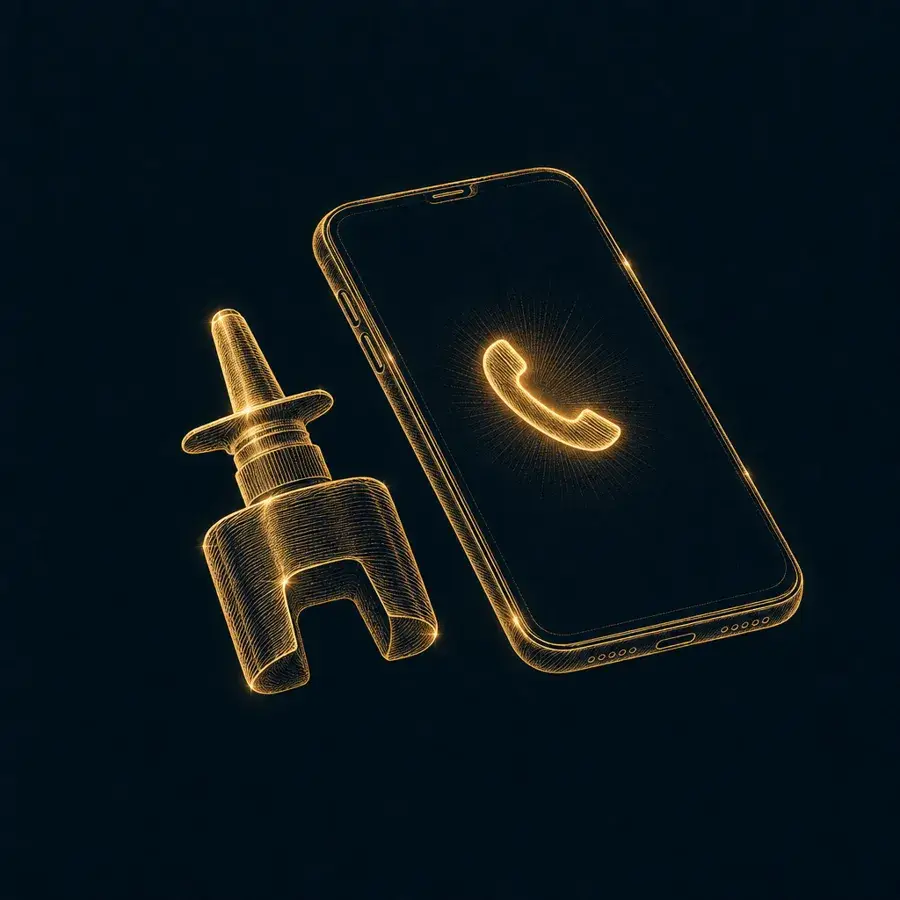
Call 911 for a seizure, overdose, trouble breathing or chest pain. Call or text 988 if someone talks about suicide. If opioids are involved, keep naloxone (Narcan) at home. You can buy it without a prescription.
Read: Fentanyl, overdose and what to do →You can't make someone ready.

You can make the first call easier.
Therapists, doctors and case managers send people to us. So do social workers and work assistance programs. They refer clients for medical detox and residential treatment. Here’s what to expect when you call.
Clinical fit
We serve adults 18 and older with an active substance use disorder. They need medical detox or residential treatment. We treat anxiety, depression, PTSD and BPD alongside it. If your client needs a hospital or more care than we provide, we'll say so and help you find the right level of care. We match the level of care using The ASAM Criteria, the national standard.
Read: Mental health conditions we treat →Beds & benefits
Call +1 (747) 500-4969 any time for bed openings and a PPO out-of-network benefits check. With six beds, openings change daily. If we're full, we'll help you find another option.
Verify insurance online →Coordination
With your client's approval on a signed release of information, we keep you updated on their progress. That includes admission, treatment and the plan at discharge. Care doesn't drop off between programs.
Read: Our residential program →Ethics
No one is paid for referrals, in either direction. We don't pay for them, and we don't accept payment for them. California and federal law ban it. It's also simply how we work.
0124/7, one number
02Clinical fit, bed, PPO check
03Planned by phone
04With a signed release
05Shared with you
When a client is ready, waiting days for answers can cost the moment.
One call gets you clinical fit, bed status and a benefits check.
Each link opens the official public record in a new tab. The DHCS link opens the state’s licensed-facility map on our address (license 191510AP).
We're at 12000 Highwater Road in the Granada Hills foothills, just north of the 118 freeway. People come to us for detox in Granada Hills and residential treatment from across the San Fernando Valley and Los Angeles County. Some travel from other states.
12000 Highwater Rd
Granada Hills, CA 91344
Getting started
You'll talk with our admissions team about your substance use, your health and your insurance. The call is free and private, and it doesn't commit you to anything. With your OK, we'll check your insurance benefits and explain what we find. If our program is a safe fit, we'll plan your admission. If it isn't, we'll help you find a program that is. You can also call just to ask questions, for yourself or for someone you love.
Sometimes, yes. Same-day admission may be possible once we've done your phone assessment, checked your benefits and confirmed that a bed is open. We have six beds, so openings change from day to day. The fastest way to know is to call. If you have a serious medical problem, like a recent seizure or chest pain, you may need a hospital first. We'll tell you honestly if that's the case.
Adults 18 and older who need medical detox or residential treatment for alcohol or drugs. Many of our clients also have anxiety, depression, PTSD or another mental health condition, and we treat those at the same time. We're a small, licensed home, not a hospital. So if you need hospital-level medical or psychiatric care, we'll help you get that first. We also can't admit someone for mental health care alone. Not sure? Call, and we'll tell you honestly.
Yes. You and your family can schedule a tour of the house before you decide. Tours are by appointment only. That helps protect the privacy of the people staying with us. Call +1 (747) 500-4969 to set a time. You can also see photos of the facility. Can't come in person? Call, and we'll answer your questions about the house and the program.
Bring about a week of comfortable clothes, your ID and insurance card, and your current medicines in their original bottles. A paper list of important phone numbers helps too. Leave alcohol, drugs, weapons and valuables at home. Our care team sets the phone and visiting rules to support your recovery. We'll go over them, and the full packing list, on the phone before you arrive.
The program
Our medical team checks your vital signs and treats withdrawal symptoms as they come. That can mean shaking, sweating, anxiety and trouble sleeping with alcohol or benzos. With opioids, it often feels like a bad flu. A medical provider decides which medicines you need after your assessment. You rest in a quiet, private home, and you can start therapy as soon as you're able. Most of the worst symptoms pass within the first week.
Medical detox usually takes 5 to 10 days. The exact time depends on the substance, how much you used, and your health. Alcohol withdrawal often starts within 8 hours of the last drink. It is usually worst 1 to 3 days later (MedlinePlus). Opioid withdrawal from drugs like heroin often starts within 12 hours. Benzos may need a slower taper. After detox, most people move right into residential treatment.
Detox treats withdrawal. Residential treatment treats the addiction itself. In detox, your body clears the substance while a medical team watches you and treats symptoms. In residential treatment, you live at the house and do the work that supports long-term recovery: therapy, groups, coping skills and care for mental health. The National Institute on Drug Abuse says detox is only the first stage of treatment, and on its own it does little to change long-term drug use. That's why we offer both in the same home. Learn about our residential program.
It can be dangerous after heavy, daily use. Talk to a doctor before you stop. Alcohol withdrawal can quickly become life-threatening, with seizures and delirium tremens (DTs). The FDA warns that stopping benzodiazepines suddenly can also cause seizures. In medical detox, a trained team watches you and gives medicine when it's needed. If someone is having a seizure, can't wake up or is struggling to breathe, call 911 right away. Read more about alcohol withdrawal and benzodiazepine withdrawal.
Yes, when they happen alongside a substance use disorder. Many of our clients also live with anxiety, depression, PTSD or borderline personality disorder. We screen for these when you arrive and treat them together with substance use, because each one can make the other worse. Our state license is for people with an active substance use disorder. That means we can't admit someone for mental health care only. If that's what you need, we'll help you find the right program.
The house has six beds, and it's co-ed for adults 18 and older. That's the whole program, by design. A small group means a quieter house, more one-on-one time with staff, and fewer people coming and going. You'll share the kitchen, living room, pool and garden with a handful of other people who are working on the same thing you are.
Yes. Before you leave, our team helps set up your next level of care, like PHP or IOP. We don't run those programs at our house. Instead, we help you find a partial hospitalization program (PHP) or an intensive outpatient program (IOP). It should fit your needs and your insurance. We can also connect you with outpatient therapy, sober living and peer support like AA, NA or SMART Recovery. And we're starting an alumni program, so people who finish treatment can stay connected to us and to each other. The National Institute on Drug Abuse notes that staying in treatment long enough is critical to recovery.
Insurance & cost
Many PPO plans help pay for it. My2Cents Recovery is an out-of-network provider, so what you pay depends on your plan's out-of-network benefits, like your deductible, your share of the cost and whether your plan must approve treatment first. We check your benefits for free and explain your costs before you decide. You can verify your insurance online or call us.
No. We work with PPO plans that have out-of-network benefits for behavioral health. We don't accept Medi-Cal or HMO plans. If that's what you have, we still want to help you find care. Call the free, 24/7 SAMHSA National Helpline at 1-800-662-4357. You can also search licensed California programs on the DHCS licensed-facility map. Or call us, and we'll point you in the right direction.
Trust & privacy
Yes. We are licensed by the state of California. Our license number is 191510AP, from the Department of Health Care Services (DHCS), and it runs through June 30, 2027. DHCS has also approved us to provide Incidental Medical Services (IMS). That lets licensed medical staff provide detox care in our licensed home. The Joint Commission accredits our residential treatment program (care site ID 715830). And we are LegitScript certified. You can check our license on the DHCS licensed-facility map and our accreditation on The Joint Commission's site.
Yes, it's confidential. Your records are protected by HIPAA and by a stricter federal rule for substance use treatment, 42 CFR Part 2. We don't confirm to anyone that you're a client unless you've signed a release, except in the few cases the law allows, like a medical emergency. If you need time off work, the Family and Medical Leave Act (FMLA) may protect your job during treatment. Your employer can ask for a medical form, and we can help you with it.
Families & professionals
Yes. You can call before your loved one is ready, and many families do. We'll answer your questions, explain how detox works and help you think through your next step. We can't admit an adult without their consent. But we can help you plan a calm talk and have a plan ready if they say yes. If your loved one is in danger right now, call 911.
Call our admissions line at +1 (747) 500-4969, any time of day. We'll ask a few questions about your client's substance use, health and insurance. Then we'll tell you if we're a good fit and whether a bed is open. With your client's signed release of information, we'll keep you updated on their progress. No one is paid for referrals, in either direction.
The assessment happens on the phone, before you arrive. It’s free and private, and it doesn’t commit you to anything. Ask anything about medical detox or residential treatment, for yourself, a loved one or a client.
Admissions · 24/7
+1 (747) 500-4969Answered by our admissions team, day and night
Follow along
Recovery education and life at the house. We never post client photos or stories without written consent.
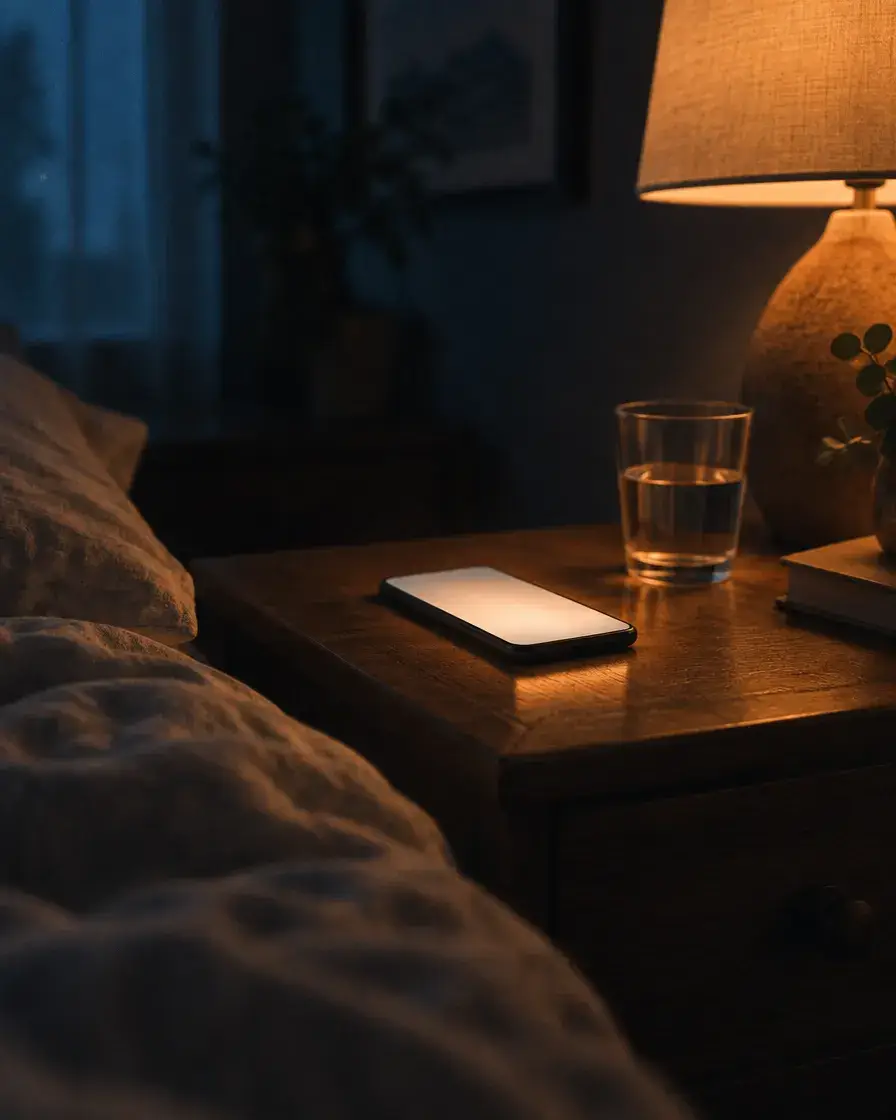
Withdrawal can be dangerous to face alone.
You don't have to figure it out by yourself tonight.
We use cookies to improve your experience on our site. By using our site, you consent to cookies.
Manage your cookie preferences below:
Essential cookies enable basic functions and are necessary for the proper function of the website.
These cookies are needed for adding comments on this website.
You can find more information in our Cookie Policy and .
Receive our latest blog posts directly in your inbox!