Anxiety is one of the most common — and most misunderstood — drivers of substance abuse. You deserve treatment that addresses both.
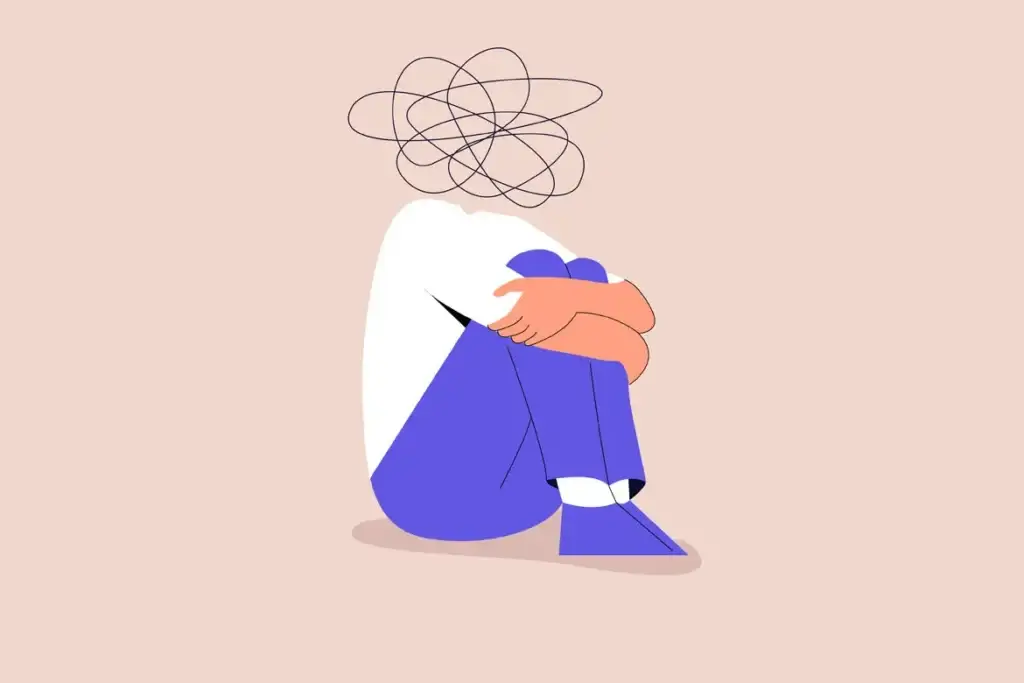
Anxiety disorder is more than stress — it is a relentless, consuming cycle of fear, worry, and physical tension that follows you everywhere and refuses to let go.
It disrupts your sleep, strains your relationships, and interferes with your work. Over time, it quietly convinces you that what you are feeling is simply who you are — when in reality, it is a treatable medical condition that has never been properly addressed.
For millions of Americans, anxiety disorder becomes the invisible engine behind substance abuse. People turn to alcohol, prescription medications, or drugs not out of recklessness — but out of a desperate need for relief from pain that was never given a name or a solution.
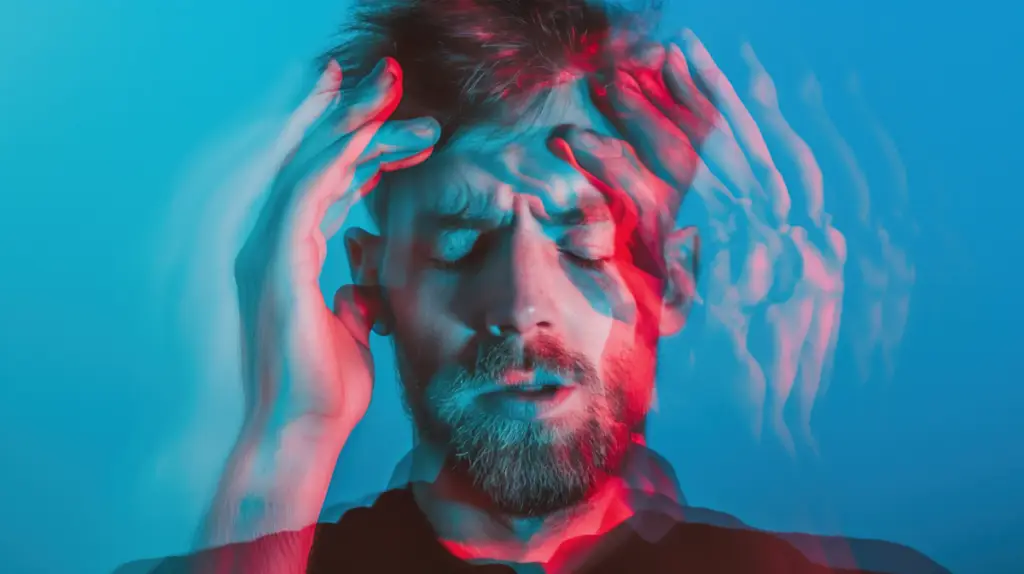
At My2Cents Recovery, we specialize in anxiety disorder treatment that goes all the way to the root.
We identify the anxiety. We treat it clinically. And we address any co-occurring substance use at the exact same time — because managing one without the other is not recovery. It is delay.
Anxiety is a normal human response to stress — but an anxiety disorder is something categorically different. Where everyday anxiety comes and goes in proportion to what triggered it, an anxiety disorder creates persistent, excessive fear and worry that does not match the situation, does not respond to logic, and does not go away on its own. It is classified as a medical condition by the Diagnostic and Statistical Manual of Mental Disorders (DSM-5), meaning it has recognized diagnostic criteria, measurable symptoms, and proven treatment pathways.
According to the Anxiety and Depression Association of America, anxiety disorders affect more than 40 million adults in the United States every year — making them the most common mental health condition in the country. Despite that, only about 37% of people living with an anxiety disorder ever receive treatment. The rest continue to cope the best way they know how, which far too often means turning to substances to quiet the noise.
Anxiety disorders are not one single condition — they are a family of related diagnoses, each with its own distinct symptoms and triggers. What they all share is the same core experience: a nervous system that is stuck in overdrive, sending danger signals even when there is no danger present. Without clinical intervention, that state of chronic activation takes a serious toll — on the body, the mind, and every relationship in between.
At My2Cents Recovery, we treat anxiety disorder as the primary clinical condition it is — not as a side note to addiction and not as something a patient simply needs to "manage better." Whether your anxiety has been formally diagnosed or you are only now beginning to recognize the pattern, our team will meet you exactly where you are and build a treatment plan around the full picture of what you are carrying.
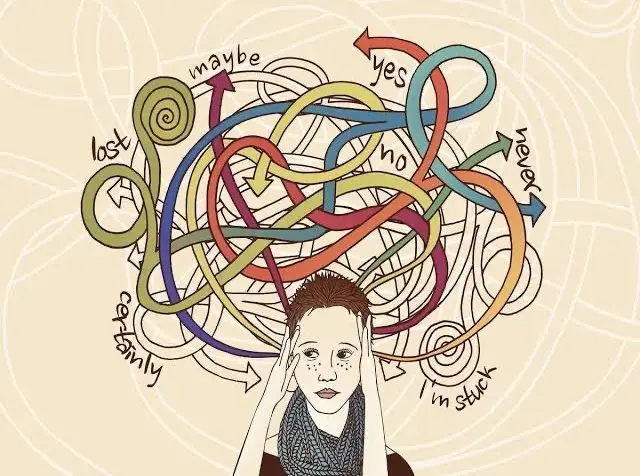
There is a difference between everyday worry and a clinical anxiety disorder — and understanding that difference is the first step toward real relief.
Want to understand how anxiety connects to other mental health conditions?
Anxiety disorder is not one-size-fits-all — knowing which type you are dealing with is what makes treatment effective.
The term "anxiety disorder" covers a wide spectrum of clinically recognized conditions — each with its own triggers, symptoms, and treatment needs. What they all share is a nervous system that has learned to respond to the world as though danger is always present. Understanding which type of anxiety you are living with is not just academic — it is the foundation of a treatment plan that actually works. At My2Cents Recovery, our clinical team identifies your specific anxiety diagnosis from day one so that every therapy, every session, and every step of your care is precisely targeted.
GAD is characterized by persistent, excessive worry about everyday life — work, health, money, relationships — that feels impossible to control. People with GAD often describe feeling like their mind never fully turns off, even when nothing specific is wrong. It is one of the most commonly self-medicated anxiety disorders, with alcohol being the most frequent substance people reach for to find temporary calm.
Panic disorder involves sudden, intense episodes of overwhelming fear — panic attacks — that strike without warning and produce severe physical symptoms including racing heart, chest tightness, shortness of breath, and a terrifying sense that something catastrophic is happening. Many people with undiagnosed panic disorder end up in the emergency room believing they are having a heart attack. The unpredictability of panic attacks often leads to avoidance behaviors and heavy substance use to prevent or blunt the next episode.
Social anxiety disorder goes far beyond shyness — it is an intense, debilitating fear of being judged, embarrassed, or rejected in social situations that causes people to avoid interactions entirely. It affects every area of life including work, friendships, dating, and even basic errands. Alcohol is so commonly used to manage social anxiety that it has its own clinical term — "liquid courage" — and it is one of the clearest pathways from anxiety disorder directly into alcohol dependency.
A specific phobia is an intense, irrational fear of a particular object or situation — flying, heights, needles, enclosed spaces, or certain animals — that triggers immediate and overwhelming anxiety upon exposure or even anticipation. While phobias may seem manageable through avoidance, they quietly shrink a person's world over time and frequently co-occur with other anxiety disorders and substance use.
Agoraphobia is the fear of situations where escape might be difficult or help unavailable during a panic attack — including crowded places, public transportation, open spaces, or simply being outside alone. It frequently develops as a complication of untreated panic disorder and can become so severe that people stop leaving their homes entirely. Substance use in agoraphobia often becomes a tool for expanding the boundaries of what feels survivable.
While often associated with children, separation anxiety disorder is a recognized condition in adults — characterized by excessive fear about being separated from attachment figures, home, or familiar environments. In adults it often goes unrecognized and untreated for years, quietly driving emotional dependency, relationship dysfunction, and substance use as a coping mechanism for the distress of real or anticipated separation.
If you recognized yourself in more than one of these descriptions, that is not unusual — anxiety disorders frequently overlap and co-occur with one another, as well as with depression, PTSD, and substance use disorders. That is precisely why a thorough clinical assessment matters so much. At My2Cents Recovery, we do not guess at your diagnosis — we identify it with precision so your treatment addresses everything you are actually dealing with, not just the most visible symptom.
Anxiety shows up differently in every person — but these are the patterns our clinical team sees most consistently.
Anxiety disorder does not always look like panic attacks and visible distress. For many people it looks like exhaustion, irritability, an inability to relax, or a persistent feeling that something bad is about to happen — even on a good day. Because anxiety symptoms overlap with so many other conditions, they are frequently dismissed, misdiagnosed, or attributed to personality rather than a treatable medical condition. The checklist below covers the most recognized clinical signs across both emotional and physical dimensions — and if several of them feel familiar, that recognition matters.
Persistent worry that is difficult or impossible to control
Racing thoughts that won't slow down even at rest
Constant sense of dread or feeling that something bad is about to happen
Difficulty concentrating or mind going blank under pressure
Irritability or emotional restlessness that feels disproportionate to the situation
Fear of losing control or feeling like you might "snap"
Avoidance of situations that trigger fear or discomfort
Overthinking decisions and replaying conversations or events obsessively
Feeling detached from yourself or like things around you aren't real
Rapid or irregular heartbeat without physical exertion
Shortness of breath or feeling like you can't get enough air
Muscle tension, aches, or trembling that persist throughout the day
Chronic fatigue despite getting adequate sleep
Headaches that recur without a clear medical cause
Gastrointestinal issues — nausea, stomach pain, or irritable bowel
Excessive sweating or hot flashes in non-stressful situations
Difficulty falling or staying asleep due to an overactive mind
Dizziness or lightheadedness during moments of heightened anxiety
What makes anxiety disorder particularly dangerous when left untreated is how naturally it leads to substance use. When the emotional and physical toll of chronic anxiety becomes unbearable, the brain searches for relief — and alcohol, benzodiazepines, cannabis, or other substances can feel like the only things that actually work. That temporary relief is what makes the connection between anxiety disorder and addiction so strong and so common. Over time, the substance use stops relieving the anxiety and begins amplifying it — creating a cycle that feels impossible to break without professional help.
If you recognized multiple symptoms in both columns, you are not imagining it — and you are not alone. These are clinically documented signs of an anxiety disorder, and they are exactly what the team at My2Cents Recovery is trained to identify, diagnose, and treat alongside any co-occurring substance use. The first step is simply saying it out loud to someone who understands.
For millions of people, substance abuse doesn't start with addiction — it starts with anxiety that was never treated.
The relationship between anxiety disorder and substance abuse is one of the most well-documented — and most overlooked — connections in all of mental health treatment. Research shows that people with an anxiety disorder are two to three times more likely to develop a substance use disorder at some point in their lives. That is not a coincidence. It is a pattern rooted in biology, desperation, and a healthcare system that too often treats addiction without ever asking what drove it.
For most people, the substance use starts as a solution — not a problem. A drink before a social event to quiet the fear. A pill to get through the workday without a panic attack. Cannabis at night to finally turn the racing thoughts off long enough to sleep. These choices make complete sense in the moment, because they work — at least temporarily. The problem is that the brain adapts quickly, tolerance builds, and soon the substance that once relieved the anxiety begins to create it.
This is the anxiety-addiction cycle — and it is one of the primary reasons people relapse when only the addiction is treated. Without identifying and addressing the underlying anxiety disorder, the pull back toward substances remains. The discomfort never fully resolves. The coping mechanism that once worked — even destructively — still feels like the only available relief. Breaking that cycle requires treating both conditions simultaneously, with a clinical team that understands how deeply they are intertwined.
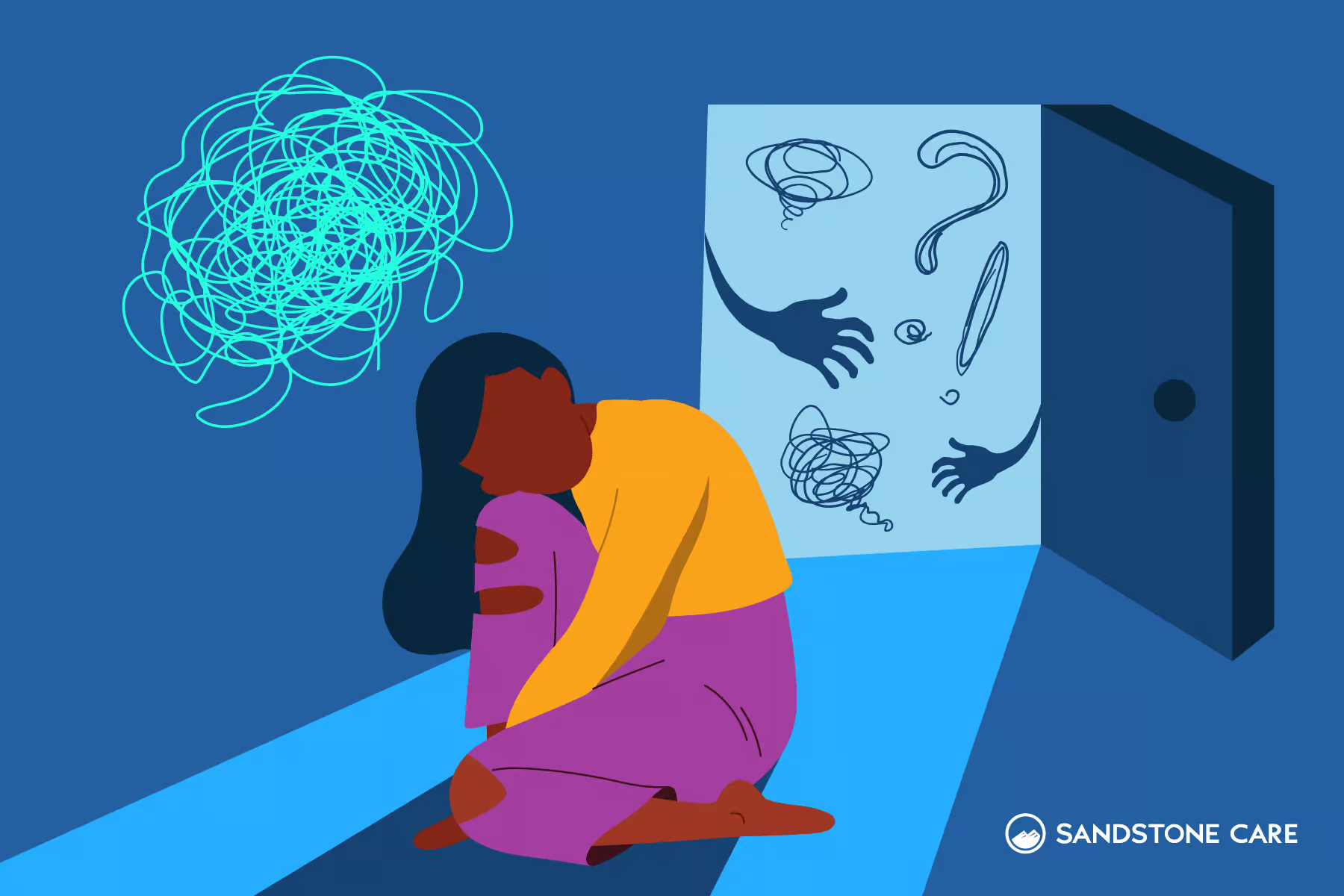
At My2Cents Recovery, we do not separate the anxiety from the addiction. From your very first assessment, our clinical team evaluates both — identifying the type of anxiety disorder present, understanding how it connects to the substance use, and building an integrated treatment plan that addresses the root cause and the symptoms at the same time. This is not a bonus feature of our program. It is the entire foundation of how we treat every single person who walks through our doors.

Untreated anxiety doesn't stay the same — it grows. And everything it touches grows with it.
One of the most dangerous myths about anxiety disorder is that it is something you can simply push through, outgrow, or manage on your own indefinitely. For a small number of people, anxiety symptoms do ease with time and circumstance. But for the vast majority, untreated anxiety disorder follows a predictable path — quietly expanding its reach into every corner of a person's life until the cost becomes impossible to ignore.
The brain is a learning organ. Every time anxiety is avoided rather than treated, the nervous system reinforces the message that the feared thing is genuinely dangerous. Avoidance grows. The world gets smaller. What started as anxiety about one situation becomes anxiety about several — and then about everything. This is not weakness. It is biology responding exactly the way it was designed to, without the clinical intervention needed to redirect it.
And then there is substance use. For people whose untreated anxiety drives them toward alcohol, pills, or other substances, the consequences compound quickly. What begins as occasional use to manage symptoms becomes daily use to function. The substance stops working as relief and starts working as a requirement. By the time most people seek help, they are not just managing anxiety anymore — they are managing anxiety, addiction, withdrawal, and everything those two things have cost them along the way.
None of these outcomes are inevitable — but they become increasingly likely the longer anxiety disorder goes without proper treatment. Every day without the right help is another day the pattern deepens. At My2Cents Recovery, we have worked with people at every stage of this journey — from early anxiety symptoms to years of co-occurring addiction — and we have seen what integrated, intentional treatment can do. It is never too late to interrupt the pattern. But the best time to start is always right now.
Worsening panic attacks that increase in frequency and severity over time
Depression — anxiety and depression co-occur in nearly 50% of cases
Social isolation as avoidance behaviors expand and relationships deteriorate
Career and financial consequences from impaired functioning and missed opportunities
Physical health decline — chronic anxiety raises cortisol, damages cardiovascular health, and weakens the immune system
Substance dependency — alcohol, benzodiazepines, cannabis, or other drugs used to self-medicate
Relationship breakdown — partners, family members, and friends bearing the weight of unaddressed symptoms
Suicidal ideation — severe untreated anxiety significantly increases risk
If you or someone you love is experiencing thoughts of self-harm or suicide, please call or text 988 immediately — the Suicide & Crisis Lifeline is available 24 hours a day, 7 days a week.
Anxiety disorder treatment at My2Cents Recovery begins with one foundational principle — you cannot treat what you have not properly identified. Before any therapy begins, our clinical team conducts a comprehensive assessment that maps your specific anxiety diagnosis, your substance use history, any co-occurring conditions, and the personal experiences that connect them all. That assessment is not a formality. It is the blueprint for everything that follows.
Our intake process goes deeper than a standard evaluation. We identify which type of anxiety disorder is present — whether that is GAD, panic disorder, social anxiety, or another diagnosis — and we assess how it relates to any substance use patterns. We look at the full timeline: when the anxiety started, how it has evolved, what has been tried before, and what has and has not worked. By the time your assessment is complete, our team has a clinical picture precise enough to build a treatment plan that actually fits your life.
No two anxiety treatment plans at My2Cents Recovery look the same — because no two people arrive with the same history. Your plan is built around your specific diagnosis, your co-occurring substance use needs, your schedule, and your goals. It will draw from a combination of the following evidence-based therapies, selected specifically for what the research shows works best for your type of anxiety:
Cognitive Behavioral Therapy (CBT) — the gold standard treatment for anxiety disorders, targeting the thought patterns that drive fear and avoidance
Dialectical Behavior Therapy (DBT) — builds emotional regulation skills and distress tolerance for people whose anxiety produces intense, overwhelming emotional responses
Exposure and Response Prevention (ERP) — a structured approach to gradually confronting feared situations in a safe, controlled clinical environment
Eye Movement Desensitization and Reprocessing (EMDR) — for anxiety rooted in trauma, EMDR processes the traumatic memories driving the nervous system’s threat response
Medication-Assisted Treatment (MAT) — when clinically appropriate, our psychiatry team may recommend non-habit-forming medications to stabilize anxiety while therapy takes root
Individual Therapy — one-on-one sessions with a licensed therapist dedicated to your specific case
Group Therapy — structured peer sessions that reduce isolation and build real-world coping skills alongside others who understand what anxiety feels like from the inside
Family Therapy — because anxiety and addiction affect everyone in the household, not just the person in treatment
For clients whose anxiety disorder has led to substance dependency, treatment begins with medically supervised detox — keeping you safe, comfortable, and clinically supported through withdrawal while our mental health team simultaneously begins addressing the anxiety underneath. As your body stabilizes, therapy deepens. As therapy deepens, the pull toward substances weakens. By the time you complete your program at My2Cents Recovery, you leave with more than sobriety — you leave with an understanding of your anxiety, the tools to manage it, and a continuing care plan designed to protect your recovery long after you walk out the door.
Effective anxiety treatment is not about eliminating every uncomfortable feeling — it is about building a life where anxiety no longer runs it. At My2Cents Recovery, that is exactly what we work toward with every client, every day. Whether you are coming to us with a long history of anxiety and addiction or you are only beginning to connect the dots between the two, our team is ready to meet you where you are and walk with you toward something better.
Honest answers to the questions most people search for before they feel ready to make a call.
Normal stress is proportionate — it shows up in response to a real situation and eases when that situation resolves. Anxiety disorder is different. It is persistent, excessive, and often disconnected from any specific trigger. If you find yourself worrying constantly even when things are relatively fine, experiencing physical symptoms like racing heart or shortness of breath regularly, or avoiding situations because of fear — and this has been going on for weeks or months — those are clinical indicators of an anxiety disorder, not ordinary stress. The only way to know for certain is through a professional assessment, which My2Cents Recovery offers confidentially and at no obligation.
Yes — and this connection is far more common than most people realize. People with untreated anxiety disorders are two to three times more likely to develop a substance use disorder than the general population. The pattern typically begins with self-medication — using alcohol, cannabis, benzodiazepines, or other substances to manage anxiety symptoms that have never been properly treated. Over time that self-medication becomes dependency, and what started as a coping mechanism becomes a second diagnosis. At My2Cents Recovery, we treat both the anxiety and the addiction together because addressing only one leaves the other in place — and relapse almost inevitable.
The most effective anxiety disorder treatments are evidence-based therapies — particularly Cognitive Behavioral Therapy (CBT), which has the strongest research support of any psychological treatment for anxiety. Depending on the specific type of anxiety disorder and whether substance use or trauma is involved, treatment may also include DBT for emotional regulation, EMDR for trauma-rooted anxiety, Exposure and Response Prevention (ERP) for OCD-related anxiety, and medication management when clinically appropriate. At My2Cents Recovery, we do not apply a single treatment to every person — we identify which combination of therapies fits your specific diagnosis and build your plan from there.
Generalized Anxiety Disorder (GAD) involves persistent, wide-ranging worry about multiple areas of life — health, work, finances, relationships — that is difficult to control and present most days. Panic disorder, by contrast, is defined by sudden, intense episodes of overwhelming fear — panic attacks — that strike without warning and produce severe physical symptoms including chest tightness, shortness of breath, and dizziness. A person can have both conditions simultaneously, which is why a thorough clinical assessment is essential before beginning treatment. Treating GAD and panic disorder requires overlapping but distinct therapeutic approaches.
Absolutely — and it is the only way we treat them. At My2Cents Recovery, integrated dual diagnosis treatment is not an optional add-on. Every client who comes to us with a co-occurring anxiety disorder and substance use disorder receives a unified treatment plan that addresses both conditions simultaneously with the same clinical team. We do not treat the addiction first and the anxiety later — because that approach leaves the root cause untreated and the door to relapse wide open. Our integrated model is built on the clinical evidence that simultaneous treatment produces significantly better long-term recovery outcomes.
Anxiety disorder is not always "cured" in the traditional sense — but it is absolutely treatable, and for the vast majority of people, treatment produces dramatic, life-changing improvement. Many people who complete evidence-based anxiety treatment experience a reduction in symptoms so significant that anxiety no longer interferes with their daily functioning, relationships, or quality of life. Others achieve full remission. The key variable is getting the right diagnosis and the right treatment — not white-knuckling it alone. At My2Cents Recovery, our goal is not just symptom management. It is helping you build a life where anxiety no longer has the final say.
You have been managing this long enough. Let us help you do more than manage.
If you have read this far, something on this page resonated with you — and that matters. Recognizing the pattern is not weakness. It is the first act of courage in a process that changes lives. Whether you have been living with anxiety for years, recently noticed the connection between your anxiety and your substance use, or are reaching out on behalf of someone you love — you are in the right place.

At My2Cents Recovery, we answer every call with the same commitment — no judgment, no pressure, and no obligation. We will listen to what you are going through, help you understand your options, and if you are ready, walk you through exactly what treatment at My2Cents looks like from day one. You do not need to have everything figured out before you call. That is what we are here for.
Anxiety disorder is treatable. Addiction is treatable. And the combination of both — which is what most of our clients carry when they first reach out — is exactly what My2Cents Recovery was built to address. Your recovery is not a matter of if. It is a matter of when — and the best when is always right now.
My2Cents Recovery is a fully confidential treatment facility. All communications are protected under HIPAA. Contacting us does not commit you to any program or obligation.
Ready to learn about other conditions we treat alongside anxiety?
We use cookies to improve your experience on our site. By using our site, you consent to cookies.
Manage your cookie preferences below:
Essential cookies enable basic functions and are necessary for the proper function of the website.
These cookies are needed for adding comments on this website.
You can find more information in our Cookie Policy and .