12000 Highwater Road, Granada Hills, CA, 91344​

Cocaine and Crack Addiction

Cocaine and crack addiction can develop quickly and become disruptive in ways that affect health, mood, work, relationships, and daily decision-making. Some adults begin using cocaine recreationally or socially and later find that cravings, binge use, or repeated relapse have made it much harder to stop than expected.

Although cocaine and crack come from the same drug, they are not exactly the same in how they are commonly used or how quickly their effects hit. Powder cocaine is often snorted, while crack cocaine is most commonly smoked, which can create a faster and more intense high that may increase the urge to use again in a shorter period of time.

Withdrawal from cocaine or crack is usually not life-threatening in the same way alcohol or benzodiazepine withdrawal can be, but it can still be emotionally intense and difficult to manage without support. Depression, fatigue, sleep changes, strong cravings, and low motivation are common and can increase the risk of relapse if treatment is not in place.

Cocaine & Crack Addiction and Withdrawal Treatment for adults

Confidential support for adults seeking cocaine and crack addiction treatment in the United States.

What Is Cocaine and Crack Addiction?

Cocaine and crack addiction refers to a stimulant use disorder involving compulsive use of cocaine in either powder or crack form. A person may continue using even when it is causing emotional, physical, financial, legal, or relationship problems.

Cocaine addiction often involves cycles of binge use followed by a crash. During a binge, a person may use repeatedly over a short period of time to maintain the drug’s effects. Once those effects wear off, the person may feel exhausted, depressed, anxious, or driven to use again.

Crack addiction follows many of the same patterns, but the route of use can make the cycle feel even more intense. Because crack is usually smoked, the effects begin rapidly and wear off quickly, which can lead to repeated use in a short span and a stronger psychological pull toward the next hit.

apnews crack addiction

Cocaine vs. Crack: What’s the Difference?

Cocaine and crack come from the same underlying drug, but they are commonly used in different forms and can create different patterns of use. Powder cocaine is usually snorted, though some people dissolve and inject it. Crack cocaine is a smokable form of cocaine that is often used for a faster, more intense effect.

The main difference most adults notice is how quickly the high begins and how short it lasts. Crack typically produces a more immediate and intense rush, which can make repeated use more likely in a short time frame. Powder cocaine can also be highly addictive, but the pattern may look different depending on how it is used.

Even though the route of use differs, both cocaine and crack can lead to dependence, cravings, withdrawal symptoms, and serious medical complications. Both can affect the heart, brain, mood, and judgment, and both may require professional treatment to stop safely and build long-term recovery.

Powder cocaine: often snorted

Crack cocaine: often smoked

Both: highly addictive stimulants

Both: can lead to cravings, crash symptoms, and repeated relapse

Both: may require detox, therapy, and structured treatment
Difference between cocaine and crack addiction treatment information

6 Common Signs of Cocaine Addiction

Cocaine addiction often shows up as a pattern of chasing energy, euphoria, confidence, or escape, followed by a crash that leads to more use. At first, the pattern may be hidden behind social settings, work pressure, nightlife, or “functioning” daily routines.

Over time, signs become harder to ignore. Mood swings, spending changes, secretive behavior, sleep disruption, and strong cravings often begin affecting the person’s overall stability.

The signs below are common warning signals that cocaine use may have moved beyond experimentation or occasional use.

cocaine/crack pupil affects
1st Sign: Binge use or repeated use in a short time
2nd Sign: Strong Cravings
3rd Sign: Mood swings and agitation
4th Sign: Sleep loss and energy crashes
5th Sign: Financial and behavioral changes
6th Sign: Continued use despite harm

Binge use or repeated use in a short time

A person may use repeatedly over several hours or days, especially to prolong the high or avoid the crash that comes when the drug wears off.

Strong cravings

Cravings can become intense, especially after the drug wears off or during stress, boredom, loneliness, or social triggers.

Mood swings and agitation

Cocaine use can be followed by irritability, agitation, anxiety, emotional crashes, or short temper, especially when the person is coming down from use.

Sleep loss and energy crashes

Staying awake for long periods and then crashing into exhaustion can become a repeated cycle. Sleep patterns often become more unstable over time.

Financial and behavioral changes

A person may spend more money than expected, behave impulsively, become secretive, or take greater risks to obtain or use cocaine.

Continued use despite harm

Cocaine use may continue even after it begins causing health issues, strained relationships, performance problems, or legal consequences.

6 Common Signs of Crack Addiction

Crack addiction can progress quickly because the effects of smoking crack often come on fast and wear off quickly. That shorter cycle can drive repeated use and make cravings feel more immediate.

Some signs of crack addiction overlap with powder cocaine addiction, but crack use is often associated with more frequent redosing, faster escalation, and more visible disruption in daily life. As dependence grows, the drug can begin to dominate attention, choices, and emotional stability.

The signs below are common in adults whose crack use has become compulsive or difficult to control.

homelessness is a common result of cocaine and crack addiction
Sign #1
Sign #2
Sign #3
Sign #4
Sign #5
Sign #6

Intense repeated use

Because the high from crack is intense and short-lived, a person may smoke again and again over a short period in order to recreate the effect.

Strong cravings

Feelings of irritability, paranoia, agitation, or depression may appear quickly after the drug wears off, which can fuel the urge to use more.

Strong psychological dependence

The fast reward cycle can make crack feel mentally hard to walk away from, even when the person recognizes the damage it is causing.

Visible decline in stability

Work, finances, relationships, hygiene, eating, and sleep may decline as crack use becomes more frequent and central to daily life.

Risky behaviors and unsafe situations

Some adults begin making more dangerous choices while seeking or using crack, especially when cravings become urgent and judgment is impaired.

Continued use despite serious consequences

Crack use may continue even when it causes severe emotional distress, social instability, or significant health concerns.

Health Risks of Cocaine and Crack Use

Both cocaine and crack place major stress on the body, especially the cardiovascular system. Heart attack, stroke, chest pain, irregular heartbeat, and other serious complications can occur even in people who do not see themselves as “severe” users.

These drugs can also affect the brain and mental health. Anxiety, paranoia, panic, psychotic symptoms, confusion, and mood instability may occur during use, during the crash, or in repeated cycles of bingeing and withdrawal.

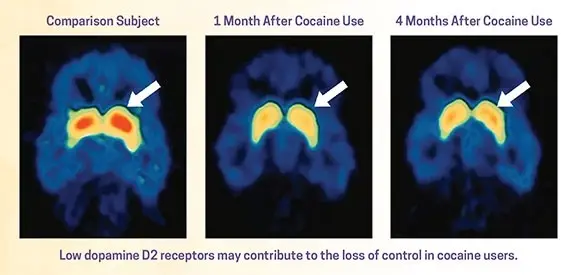
Long-term cocaine or crack use can make the brain less responsive to everyday pleasure and more sensitive to stress, which can deepen cravings and make recovery feel harder without treatment. This is one reason a structured recovery plan matters so much for stimulant addiction.
Cocaine and Crack Withdrawal

Cocaine and crack withdrawal usually begins within 24 hours after stopping, especially after heavy or repeated use. The most common symptoms include depressed mood, fatigue, increased appetite, vivid dreams, sleep problems, slowing down physically or mentally, and strong cravings.

Unlike withdrawal from alcohol or benzodiazepines, cocaine withdrawal is usually not considered medically dangerous in the same way. Even so, it can be emotionally severe and should never be dismissed, especially because some people experience intense depression or even suicidal thoughts during withdrawal.

The hardest part for many adults is not just the physical crash. It is the emotional emptiness, low energy, and craving that follow the high, which can create a strong urge to use again. Treatment helps interrupt that cycle.
8 Common Cocaine and Crack Withdrawal Symptoms

Withdrawal symptoms are often less about obvious physical danger and more about emotional and psychological distress. That said, the symptoms can still feel intense enough to interfere with eating, sleeping, work, safety, and motivation.

Some people describe cocaine withdrawal as a “crash,” while others experience a slower stretch of fatigue, hopelessness, and cravings that lingers beyond the first few days. Crack withdrawal may follow a similar pattern, but some people report a faster and more intense crash because of the shorter, sharper high.

The symptoms below are common in both cocaine and crack withdrawal.

1st Common Withdrawal Symptom: Depression and low mood
2nd Common Withdrawal Symptom: Fatigue and low energy
3rd Common Withdrawal Symptom: Increased appetite
4th Common Withdrawal Symptom: Sleep changes and vivid dreams

Depression and low mood

Depressed mood is one of the most common symptoms of cocaine withdrawal. Some people feel empty, hopeless, emotionally flat, or unable to enjoy anything.

Fatigue and low energy

A strong sense of exhaustion often follows stimulant use. Adults may sleep more, struggle to get moving, or feel like even simple tasks take more effort.

Increased appetite

Appetite often returns strongly after stopping cocaine or crack, especially if the drug had been suppressing hunger during binges.

Sleep changes and vivid dreams

Sleep may increase, or it may become disrupted with vivid, unpleasant dreams. Some people feel exhausted but still do not sleep well.

5th Common Withdrawal Symptom: Irritability and anxiety
6th Common Withdrawal Symptom: Slowed thinking and poor concentration
7th Common Withdrawal Symptom: Cravings
8th Common Withdrawal Symptom: Suicidal thoughts or severe emotional distress

Irritability and anxiety

Irritability, agitation, restlessness, and anxious feelings are common as the brain adjusts to the absence of the drug.

Slowed thinking and poor concentration

Some adults feel mentally slowed down, foggy, or unable to focus during early withdrawal. This can be especially frustrating for people who used cocaine to feel more alert or productive.

Cravings

Strong cravings can continue for days, weeks, or even longer, especially when the person is exposed to familiar triggers or stressful situations.

Suicidal thoughts or severe emotional distress

In some cases, cocaine withdrawal may be associated with suicidal thoughts or severe depression. This should always be taken seriously and evaluated right away.

Cocaine and Crack Withdrawal Timeline

The cocaine and crack withdrawal timeline can vary based on how much was used, how often it was used, how long use continued, and whether other substances are involved. Still, most adults follow a general pattern of crash, acute withdrawal, and then a longer period of mood and craving adjustment.

Symptoms often begin within the first 24 hours after the last use. The most acute phase may last a few days to one or two weeks, but lower energy, mood swings, and cravings can continue much longer in some people.

Knowing the general timeline helps make the process less confusing and can reduce the fear that something is “wrong” when symptoms show up after stopping.

First 24 hours
Days 2–5
Week 1 to Week 2
Weeks and months after stopping

First 24 hours

The initial crash often begins within hours to the first day after stopping. Common symptoms include exhaustion, low mood, increased appetite, agitation, and sleep changes.

Days 2–5

Cravings, depression, fatigue, vivid dreams, anxiety, and mental slowing often become more noticeable during the next several days. This can be one of the most uncomfortable points in the withdrawal process.

Week 1 to Week 2

Acute symptoms often begin to settle, but motivation may still feel low and cravings may continue. Mood changes and sleep disruption can still interfere with daily life.

Weeks and months after stopping

For some adults, lower-intensity symptoms such as cravings, depression, or low energy can continue for weeks or months, especially after heavy or long-term use. Ongoing treatment is important during this stage because this is when many relapses happen.

When Detox or Structured Treatment May Help

Although cocaine and crack withdrawal are not usually medically dangerous in the same way as alcohol or benzodiazepine withdrawal, detox and structured treatment can still be extremely helpful. The emotional crash, cravings, poor sleep, and risk of relapse can make stopping alone much harder than people expect.

Professional support may be especially important if a person has been bingeing, using multiple substances, experiencing paranoia or severe depression, or has already tried to stop on their own and returned to use. A supervised setting can create safety, structure, and separation from triggers while the person stabilizes.

A confidential assessment can help determine whether detox, residential treatment, PHP, IOP, or outpatient care is the best fit.

How We Treat Cocaine Addiction

Treatment for cocaine addiction focuses on helping the person stabilize after withdrawal, understand their pattern of use, manage cravings, and develop tools that reduce relapse risk over time. Because no single medication is considered a standard cure for cocaine addiction, therapy, structure, and ongoing support play a major role in treatment.

Some adults need a more intensive setting at the beginning, especially if cocaine use has become frequent, chaotic, or tied to mental health concerns. Others may be appropriate for outpatient care if they have a stable environment and consistent support.

The right level of care depends on the severity of symptoms, relapse history, co-occurring issues, and daily environment.

Detox

Detox can provide a safe place to get through the early crash, manage cravings, restore sleep and nutrition, and connect the person to a full recovery plan.

Residential Treatment

Residential treatment provides 24-hour structure, therapy, and support away from triggers and access to drugs. It can be especially helpful for adults with severe use patterns, repeated relapse, or unstable home situations.

Partial Hospitalization Program (PHP)

PHP offers intensive daytime treatment while allowing the person to return home or to sober housing at night. It can work well as a step-down from residential care or as a strong outpatient starting point.

Intensive Outpatient Program (IOP)

IOP provides structured therapy several times per week without an overnight stay. This option can help adults stay engaged in treatment while still managing work, family, or other responsibilities.

Outpatient Program (OP)

OP offers continued counseling, relapse prevention, and check-ins over time. It is often used as ongoing support after higher levels of care or when symptoms are more stable.

How We Treat Crack Addiction

Crack addiction treatment follows many of the same core principles as cocaine treatment, but the fast and intense cycle of use often means people need strong structure and quick intervention. The shorter-lasting high from crack can drive repeated use in a way that feels especially compulsive.

Treatment often focuses on stabilizing the person after repeated use, reducing cravings and relapse risk, and addressing the behavioral, emotional, and environmental factors keeping the addiction in place. Therapy is central, especially when crack use is tied to trauma, stress, isolation, or repeated high-risk situations.

For many adults, residential care or PHP can be especially helpful at the beginning because it creates distance from triggers and gives enough time to reset routines, sleep, nutrition, and emotional stability.

Detox

Detox helps adults get through the early crash and stabilize physically and emotionally while preparing for the next phase of treatment.

Residential Treatment

Residential treatment provides a highly structured environment that can reduce access to crack, lower exposure to triggers, and support more intensive healing.

Partial Hospitalization Program (PHP)

PHP offers significant structure while allowing the person to return home or to sober housing at night. It can be helpful for adults stepping down from residential treatment or needing a high level of daily support.

Intensive Outpatient Program (IOP)

IOP provides strong ongoing support with more flexibility, helping adults rebuild routines while continuing therapy and relapse-prevention work.

Outpatient Program (OP)

Outpatient care helps maintain progress through counseling, accountability, and ongoing recovery planning after more intensive treatment.

Therapy and Long-Term Recovery Support

Therapy is one of the most important parts of treatment for cocaine and crack addiction. Approaches like cognitive behavioral therapy can help adults recognize triggers, challenge patterns that lead back to use, and build new coping strategies for stress, loneliness, boredom, or pressure.

Long-term recovery also often includes group therapy, peer support, family involvement, and practical relapse-prevention planning. These tools matter because cocaine and crack cravings can return unexpectedly, especially during periods of stress or exposure to old environments.

The goal of treatment is not just to stop using for a few days. It is to create enough stability, support, and self-awareness that the person can keep moving forward without returning to the same cycle.


Addicts seeking recovery from crack and cocaine addiction find refuge at 1st choice detox treatment center

5 Frequently Asked Questions About Cocaine and Crack Addiction

Is crack more addictive than powder cocaine?

Crack often creates a faster and more intense high because it is commonly smoked, which can increase the urge to use again quickly. Both forms are highly addictive and can lead to serious health and behavioral consequences.

How long does cocaine withdrawal last?

Symptoms often begin within 24 hours and may feel strongest during the first few days to two weeks. Lower energy, mood changes, and cravings can continue for weeks or months in some people.

Is cocaine withdrawal dangerous?

Cocaine withdrawal is usually not medically dangerous in the same way as alcohol or benzodiazepine withdrawal, but it can be emotionally severe. Depression, cravings, and suicidal thoughts can occur and should always be taken seriously.

What treatment works best for crack addiction?

The best treatment depends on the person’s symptoms, environment, and history, but many adults benefit from a combination of detox, therapy, residential treatment or outpatient care, and long-term relapse-prevention support.

Can someone recover from cocaine or crack addiction?

Yes. With the right treatment, structure, and continued support, many adults recover from cocaine and crack addiction and build healthier, more stable lives.

Take the First Step Toward Cocaine or Crack Addiction Treatment

If cocaine or crack use is becoming harder to control, treatment can help you break the cycle and start rebuilding stability. You do not have to wait for the situation to get worse before reaching out.

A confidential assessment can help you understand your symptoms, your withdrawal risk, and which level of care may be the best fit for your needs.

Whether you need detox, residential treatment, PHP, IOP, or outpatient support, the first step is asking for help.