12000 Highwater Road, Granada Hills, CA, 91344​

Cannabis Addiction and Withdrawals

Cannabis addiction and withdrawal can be more serious than many people expect. Today’s cannabis products are often much stronger than they were in the past, and regular use can lead to dependence, cravings, and uncomfortable withdrawal symptoms when a person stops.

Adults may start using cannabis to relax, fall asleep, ease stress, or manage pain. Over time, use can shift from occasional to daily, and it may begin to feel difficult to cut back or take a break without feeling unwell. That pattern can be a sign of cannabis use disorder.

When cannabis use is heavy and long‑term, withdrawal can cause irritability, anxiety, sleep problems, appetite changes, and physical discomfort. Support and treatment can make this process easier and reduce the risk of relapse.
Cannabis Addiction and Withdrawal Treatment

Confidential support for adults seeking cannabis addiction treatment in the United States.

6 Common Signs of Cannabis Addiction

The signs of cannabis addiction can be easy to miss because cannabis is often viewed as “mild” compared to other substances. For some adults, the problem becomes clear only after work, motivation, or mood has already changed.

Paying attention to patterns over time—rather than just one day or one event—can help identify when cannabis use has become more serious.

1st Sign of Cannabis Addiction
2nd Sign of Cannabis Addiction
3rd Sign of Cannabis Addiction
4th Sign of Cannabis Addiction
5th Sign of Cannabis Addiction
6th Sign of Cannabis Addiction

Using more than planned

You may intend to use a small amount but end up using more, using more often, or spending more time high than you expected. This can be a sign that control over use is slipping.

Difficulty cutting down

You try to take a break, but cravings, boredom, or discomfort pull you back to cannabis quickly. Repeated unsuccessful attempts to quit or cut down are a key sign of addiction.

Cannabis taking priority

You may start arranging your day around when you can use, choosing cannabis over hobbies, exercise, time with family, or responsibilities that used to matter more.

Changes in motivation and performance

Tasks may feel harder to start or finish. You might miss deadlines, skip social plans, or lose interest in work or projects as cannabis use increases.

Mood or memory issues

Some adults notice more irritability, low mood, anxiety, or difficulty remembering details over time. These changes can show up slowly and may be more noticeable to others at first.

Continuing use despite problems

You may keep using cannabis even when it is causing conflict, affecting health, or getting in the way of goals. Continuing despite clear downside is a strong sign that help may be needed.

What Is Cannabis Addiction?

Cannabis addiction, often referred to clinically as cannabis use disorder, describes a pattern of use where a person continues consuming cannabis even when it is causing problems in their life. Those problems might include difficulty at work, conflict at home, changes in mood, or health concerns.

A person with cannabis addiction may find it hard to cut back, may spend more time than intended using or recovering from cannabis, or may give up activities they once enjoyed. They might also continue using even when they recognize that cannabis is getting in the way of goals or relationships.

Not everyone who uses cannabis develops addiction. Risk increases with daily or near‑daily use, high‑THC products, early onset of use, and using cannabis to cope with stress, emotions, or sleep instead of addressing underlying issues.
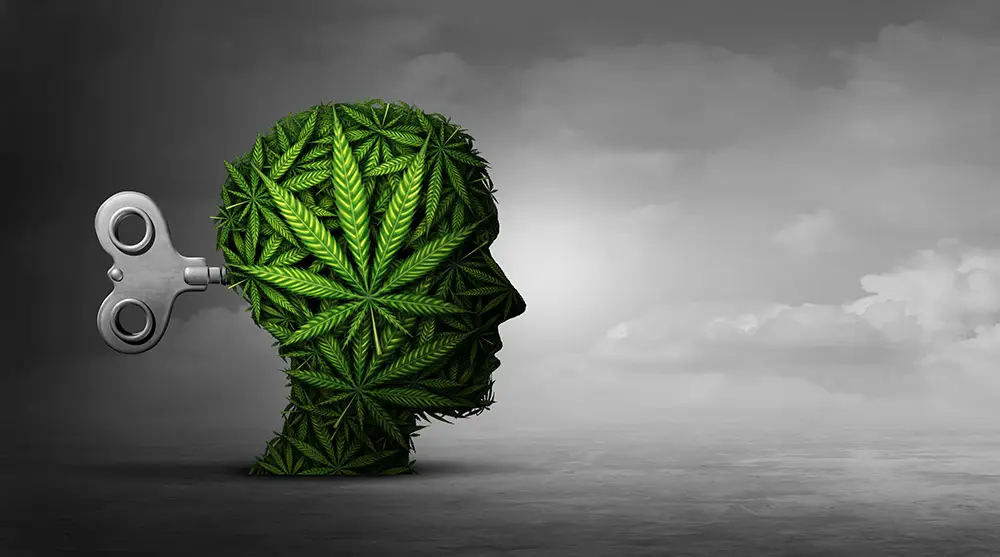
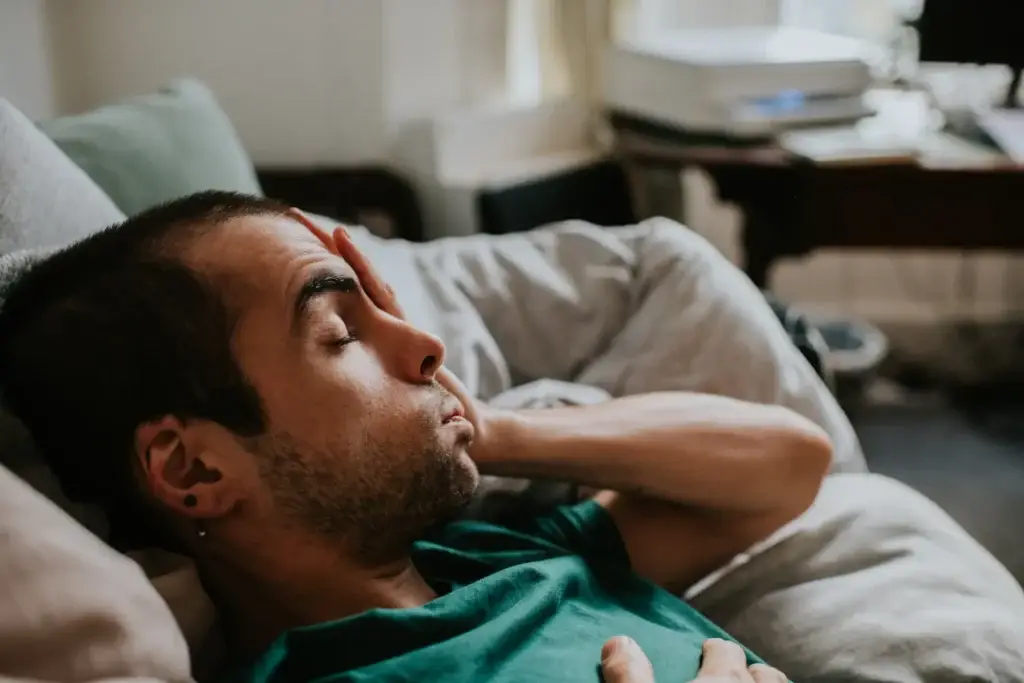
“Signs of cannabis addiction affecting an adult’s daily life”
How Cannabis Addiction Develops
Cannabis Withdrawal
Cannabis Withdrawal Symptoms

How Cannabis Addiction Develops

Cannabis contains many active compounds, including THC, which is responsible for most of its psychoactive effects. THC interacts with the brain’s endocannabinoid system, which influences mood, memory, appetite, and reward. With heavy, repeated use, the brain can adapt to the presence of THC.

Over time, some people feel as if they need cannabis to relax, sleep, or feel “normal.” This shift from “wanting” to “needing” is a sign that dependence may be forming. When use stops, the brain has to adjust again, which can lead to withdrawal symptoms.

Modern cannabis products can be especially potent, and concentrates or high‑THC strains may increase the risk of dependence and more intense withdrawal. Social acceptance and legal availability can also make it easier for use to become frequent without being noticed at first.

Cannabis Withdrawal

Cannabis withdrawal is a real and well‑documented phenomenon. It can occur in about half of regular or dependent cannabis users who stop or significantly cut back after heavy, prolonged use.

Withdrawal is usually not medically dangerous in the way alcohol or benzodiazepine withdrawal can be, but it can still be very uncomfortable. Symptoms often affect sleep, mood, appetite, and stress levels, and they can make it much harder to stay away from cannabis without support.

Knowing what to expect—and having a plan for managing symptoms—can help adults move through cannabis withdrawal more safely and with less fear. Treatment and support can also reduce the chances of relapsing early in the process.

Cannabis Withdrawal Symptoms

Cannabis withdrawal symptoms typically begin within 24 to 48 hours after stopping or sharply reducing heavy use. For many people, symptoms peak within the first week and gradually improve over two to four weeks, although sleep and mood changes can last longer.

Symptoms are usually a mix of emotional, sleep‑related, and physical changes. The experience can feel like a combination of irritability, “brain fog,” and not being able to get comfortable in your own skin.

Everyone’s experience is a little different, but the list below covers many of the most commonly reported symptoms.

7 Common Cannabis Withdrawal Symptoms

Irritability and anger
Anxiety and nervousness
Sleep problems and vivid dreams
Depressed mood and low motivation
Appetite and weight changes
Physical discomfort
Cravings for cannabis

Irritability and anger

Irritability, anger, and frustration are among the most common withdrawal symptoms. Small problems can feel bigger, and patience may feel much shorter than usual.

Anxiety and nervousness

Anxiety or nervousness may increase once cannabis is removed, especially if it was used as a way to ease stress or calm down. Some people report feeling “on edge” or restless.

Sleep problems and vivid dreams

Difficulty falling asleep, waking up often, or having intense, vivid, or disturbing dreams are very common during cannabis withdrawal. These sleep issues can continue for several weeks, even as other symptoms improve.

Depressed mood and low motivation

Some adults feel down, unmotivated, or emotionally flat after stopping cannabis. This can make it harder to enjoy activities or keep up with daily tasks in early recovery.

Appetite and weight changes

Decreased appetite and weight loss are common early symptoms. Over time, appetite often returns, but eating may feel irregular while the body adjusts.

Physical discomfort

Physical symptoms may include headaches, sweating, chills, stomach pain, nausea, shakiness, and general discomfort. These symptoms often improve within the first couple of weeks.

Cravings for cannabis

Strong cravings can occur, particularly during stressful moments or when around familiar triggers like certain people, places, or routines. Cravings often peak in the first week and then come and go in waves.

Cannabis Withdrawal Timeline

The cannabis withdrawal timeline is not exactly the same for everyone, but research shows some clear patterns. Symptoms usually begin within one to two days after stopping, peak within the first week, and gradually improve over the following weeks.

Heavy or long‑term use may be associated with more intense or longer‑lasting symptoms. Lighter use may still cause withdrawal, but it often resolves more quickly and with fewer symptoms.

Understanding the approximate timeline can help set realistic expectations and reduce worry during the process.

Days 1–3: Symptoms begin
Days 4–7: Peak discomfort
Weeks 2–4: Gradual improvement
Longer‑term adjustments

Days 1–3: Symptoms begin

Within 24 to 48 hours after stopping cannabis, early symptoms like irritability, restlessness, decreased appetite, and mild sleep problems often appear. Cravings may begin during this stage, especially in the evening or at usual use times.

Days 4–7: Peak discomfort

Many people report that days four through seven are the hardest. Irritability, anxiety, insomnia, vivid dreams, low mood, and stronger cravings often peak during this period. Physical symptoms like headaches, sweating, chills, and stomach discomfort may still be present.

Weeks 2–4: Gradual improvement

By the second and third weeks, many symptoms begin to ease, although sleep issues and low mood can linger. Cravings often become less constant but may still pop up with triggers, stress, or boredom.

Longer‑term adjustments

Some adults experience ongoing sleep disruption, mood shifts, or difficulty concentrating for a longer period, especially after very heavy or long‑term use. These symptoms usually improve over time with support, structure, and healthy routines.

When Detox or Professional Support May Help

Cannabis withdrawal is usually not a medical emergency, but that does not mean it is easy. Professional support may be helpful if withdrawal symptoms feel unmanageable, if mood symptoms are severe, or if repeated attempts to quit alone have led back to heavy use.

People with co‑occurring mental health conditions, such as depression, anxiety, or trauma‑related symptoms, may benefit from structured care rather than trying to push through withdrawal alone. Stress, isolation, and daily life pressures can all increase relapse risk during this period.

Detox or higher levels of care may also be appropriate when cannabis is being used alongside other substances, such as alcohol, benzodiazepines, or stimulants, or when there are safety concerns at home. A professional assessment can help match the level of care to the person’s needs.

How We Treat Cannabis Addiction

Treatment for cannabis addiction is designed to help adults move through withdrawal, understand their relationship with cannabis, and build new ways to handle stress, sleep, and emotions without relying on the drug.

For some, outpatient therapy and support may be enough. Others benefit from more structured levels of care, especially if they are dealing with multiple substances, mental health conditions, or repeated relapse. The right level of care depends on symptoms, environment, and goals.

Many programs follow a “step‑down” approach, starting with more intensive support and gradually moving to lighter levels of care as stability improves.

Process Groups at 1st Choice Detox Treatment Center
Detox
Residential Treatment
Partial Hospitalization Program (PHP)
Intensive Outpatient Program (IOP)
Outpatient Program (OP)

Detox

Detox can offer a safe place to stop cannabis and other substances, if present, with monitoring and support. While cannabis withdrawal rarely needs intensive medical intervention alone, detox can help manage discomfort and coordinate the next steps in treatment, especially when other drugs or mental health issues are involved.

Residential Treatment

Residential treatment provides 24‑hour support in a structured, substance‑free environment. This level of care can be helpful when home life is unstable, triggers are constant, or co‑occurring conditions make staying sober at home difficult.

Partial Hospitalization Program (PHP)

PHP offers intensive treatment during the day, with therapy, education, and support, while allowing the person to return home or to sober housing at night. It can serve as a bridge between residential care and intensive outpatient treatment.

Intensive Outpatient Program (IOP)

IOP provides structured group and individual therapy several days per week without requiring an overnight stay. This level of care works well for adults who need strong support while still managing work, school, or caregiving responsibilities.

Outpatient Program (OP)

OP typically involves weekly or regular counseling, relapse‑prevention planning, and check‑ins. It is often used as ongoing support after a higher level of care or for adults whose symptoms and environment are more stable.

Therapy and Long‑Term Support for Cannabis Addiction

Therapy plays a central role in treating cannabis addiction and withdrawal. Approaches such as cognitive‑behavioral therapy and motivational interviewing can help adults understand their patterns of use, identify triggers, and practice new ways of coping with stress and cravings.

Counseling also addresses the reasons cannabis became so important in the first place, whether that was trouble sleeping, anxiety, trauma, boredom, or pressure at work or home. When these underlying issues are treated, cannabis becomes less central to daily life.

Long‑term support may include ongoing therapy, support groups, peer recovery programs, and family education. These resources help maintain progress, reduce relapse risk, and make recovery feel less isolating.


5 Frequently Asked Questions About Cannabis Addiction and Withdrawal

FAQ #1
FAQ #2
FAQ #3
FAQ #4
FAQ #5

Is cannabis really addictive?

Yes. While not everyone who uses cannabis becomes addicted, research shows that some people develop cannabis use disorder, with cravings, tolerance, and withdrawal when they try to stop after heavy, prolonged use.

How long does cannabis withdrawal last?

Symptoms typically begin within 24 to 48 hours, peak within the first week, and improve over two to four weeks. Sleep problems and mood changes can last longer for some people, especially after very heavy use.

Is cannabis withdrawal dangerous?

Cannabis withdrawal is usually not life‑threatening, but it can be very uncomfortable and may trigger relapse. In people with certain mental health conditions or multiple substance use, professional support is especially important.

Do I need detox for cannabis addiction?

Not everyone needs detox for cannabis alone, but detox may help when other substances are involved, when withdrawal feels overwhelming, or when there are safety concerns at home. A professional assessment can help you decide.

Can someone recover from cannabis addiction?

Yes. Many adults recover from cannabis addiction with the right mix of treatment, support, and time. Recovery often involves learning new coping skills, building healthier routines, and staying connected to support.

Take the First Step Toward Cannabis Addiction Treatment

If cannabis use is starting to feel hard to control, or if withdrawal symptoms are making it difficult to quit, you do not have to go through it alone. Help is available for cannabis addiction and withdrawal.

A confidential assessment can help you understand what is happening, how cannabis is affecting your life, and which treatment options may be the best fit for your situation.

Whether you need detox, residential care, PHP, IOP, or outpatient support, reaching out is the first step toward feeling more stable and in control again.