Admissions open 24/7
Licensed by California DHCS
Granada Hills, CA
Helping a loved one? Watching someone you love struggle with drugs or alcohol can leave you feeling stuck, scared, angry, and unsure what to do next. An intervention gives families a more structured way to speak honestly about what is happening, explain the impact of addiction, and present a clear path into treatment.
The goal is not to shame, corner, or overpower your loved one. The goal is to help them see what their substance use is doing to them and the people around them, while offering immediate support and a treatment plan that is already prepared.
A calm, well-planned intervention can be far more effective than repeated arguments, emotional ultimatums, or waiting for things to get worse. Many leading treatment providers recommend preparation, consistency, and professional guidance instead of impulsive confrontation.
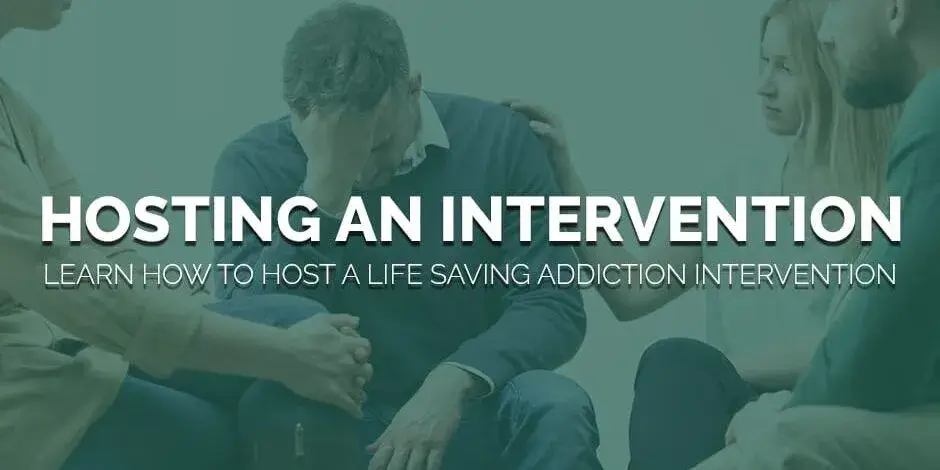
When you're helping a loved one, an intervention is a planned conversation in which family members, close friends, and sometimes a professional gather to address a loved one’s substance use and ask them to accept treatment. It is not a random argument or a spur-of-the-moment confrontation.
A structured intervention usually includes examples of how addiction has affected the person and the people around them, a specific treatment recommendation, and clear boundaries if treatment is refused. This format is common across top treatment resources because it gives the conversation direction instead of letting it become emotional chaos.
In many cases, the intervention works best when treatment is already lined up in advance. That means knowing where the person can go, how admissions works, whether insurance may apply, and what the family is prepared to do next.

An intervention may be worth considering when direct conversations have gone nowhere, when the person denies the seriousness of the problem, or when addiction is clearly damaging health, behavior, relationships, work, or safety. Families often reach this point after months or years of trying to help in less structured ways.
It can also become necessary when your loved one keeps promising to stop, asking for help without following through, or cycling between short-term improvement and relapse. In those situations, a more organized approach can break through denial more effectively than repeated emotional talks.
Urgency increases when overdose risk, violence, suicidal thinking, severe mental health symptoms, or polysubstance use are involved. Mayo Clinic specifically recommends professional involvement when there is serious mental illness, a history of violence, suicide risk, or use of multiple mood-altering substances.

The strongest intervention pages from treatment centers all emphasize planning first. Before anyone sits down with your loved one, gather clear information about their substance use, current risks, treatment options, insurance details, and who is actually willing to participate in a calm and consistent way.
It helps to decide in advance what level of care may be appropriate, such as detox, residential treatment, PHP, IOP, or outpatient care. Having that answer ready matters because if your loved one says yes, you do not want the next step to be vague.
This is also the point where families need to be honest about enabling. Treatment-centered family resources repeatedly point out that paying for the consequences of addiction, lying to protect the person, or removing every consequence can keep the cycle going longer.

A typical intervention team is small, usually around four to six people who matter to the person and can stay calm, focused, and consistent. Mayo Clinic recommends including people your loved one respects or depends on, such as close family members, adult relatives, trusted friends, or sometimes a faith leader.
Do not include people who are likely to escalate conflict, dominate the room, go off-script, or bring unmanaged mental health or substance use issues into the meeting. If someone is important but too emotionally reactive to attend, a written letter may be a better option.
The common thread across top treatment-center guidance is quality over quantity. A smaller, prepared group usually works better than a large emotional circle that turns into a confrontation.

One of the clearest patterns across leading treatment websites is how often they recommend involving a professional. An addiction counselor, interventionist, therapist, psychologist, or social worker can help families organize the conversation, avoid common mistakes, and choose a safer approach when the situation is high-risk.
Professional help becomes especially important when your loved one has threatened self-harm, become violent, has severe mental health symptoms, or is using multiple substances. In these cases, trying to “wing it” as a family can make things worse.
A professional can also help match the person to treatment and prepare the family for likely objections. That combination of emotional preparation and admissions readiness is one reason professionally guided interventions tend to feel more grounded and effective.

A well-run intervention usually follows a sequence: form the team, gather facts, choose the setting, decide what each person will say, prepare the treatment option, and agree on boundaries if help is refused. That structure appears repeatedly in major treatment-center guidance because it keeps the conversation focused and prevents it from turning into blame or panic.
Planning also includes practical logistics. When helping a loved one, families should know whether treatment has availability, whether insurance has been checked, what the admission process looks like, and who will help with transportation or childcare if the person accepts help right away.
Rehearsing matters more than most people expect. Mayo Clinic recommends a rehearsal so everyone knows where to sit, when to speak, and how to stay calm if the person reacts with anger, tears, or denial.

When you're helping a loved one, the most effective tone is calm, specific, and personal. Rather than attacking character, each person should describe what they have seen, how it affected them, and why they are asking the person to accept treatment now.
Specific examples are stronger than vague accusations. Mayo Clinic recommends using real incidents and speaking from your own experience, such as “I was scared when…” or “I felt hurt when…” because facts and personal impact are harder to dismiss than general blame.
Keep the message focused on care, consequences, and next steps. Strong treatment-center pages consistently avoid shaming language and instead frame the conversation around concern, safety, and a clear treatment offer.
Helpful Reminders:
- Use real examples, not general statements.
- Speak from personal experience.
- Stay calm and avoid arguing.
- Ask for treatment now, not later.
- Keep the message short and direct.

An intervention is not just a conversation when helping a loved one. It is also a turning point for the family. If the person refuses treatment, each participant needs to know what will change and what support will stop.
Examples of boundaries may include no longer giving money, no longer lying to employers or other relatives, not allowing drug use in the home, or requiring the person to leave if the environment has become unsafe. Those boundaries are not punishment. They are a way to stop reinforcing the addiction cycle.
Top treatment resources are especially clear that boundaries must be consistent. If the family says one thing and then folds under pressure, the intervention loses credibility and the enabling pattern stays in place.

If your loved one agrees to treatment, move quickly. Mayo Clinic advises against giving several days to “think about it,” because delay can create space for denial, hiding, or another binge.
This is where preparation pays off. Admissions, insurance verification, transportation, packing, and level-of-care planning should already be as ready as possible so the transition feels immediate and organized rather than chaotic.
Family support still matters after admission. Leading treatment resources consistently note that recovery is stronger when families stay involved, learn about addiction, participate in counseling when appropriate, and stop returning to old patterns


If you are thinking about an intervention, you do not have to figure it out alone when helping. a loved one. A confidential conversation can help you understand whether your situation calls for a direct conversation, a structured family intervention, or professional guidance.
You can also get help identifying the right level of care, checking insurance, and understanding what admissions might look like if your loved one agrees to treatment. That kind of practical support is one of the main strengths of the best treatment-center websites in this category.
Early action matters. Waiting for someone to “hit bottom” can come with a very high cost, while a planned intervention can create a safer and more immediate path into care when helping a loved one.