Fentanyl addiction and withdrawal can become overwhelming quickly because fentanyl is a highly potent synthetic opioid. Even when use starts as occasional, repeated exposure can lead to dependence, cravings, and a withdrawal process that feels intense enough to drive people back to use just to feel normal again.
Many adults struggling with fentanyl addiction did not necessarily begin by seeking fentanyl itself. Some encounter it through counterfeit pills or other street drugs contaminated with fentanyl, which increases overdose risk and can make withdrawal and treatment more complicated.
Withdrawal from fentanyl is usually not life-threatening in the same way alcohol or benzodiazepine withdrawal can be, but it can be extremely distressing and difficult to manage without help. Symptoms often begin within 8 to 24 hours after the last use and can include body aches, anxiety, nausea, sweating, restlessness, and strong cravings.
Confidential support for adults seeking fentanyl addiction treatment in the United States.
Fentanyl addiction is a pattern of opioid use in which a person keeps using fentanyl despite serious consequences in health, safety, relationships, work, or emotional stability. Over time, the body and brain adapt to the drug, making it harder to stop without intense discomfort or cravings.
Fentanyl is much more potent than many other opioids, which is one reason dependence can develop quickly. A person may feel like they need the drug simply to avoid withdrawal, not just to get high.
This pattern can become especially dangerous because fentanyl is strongly linked to overdose risk, particularly when it is taken without knowing how much is present or when it is mixed with other sedating substances.
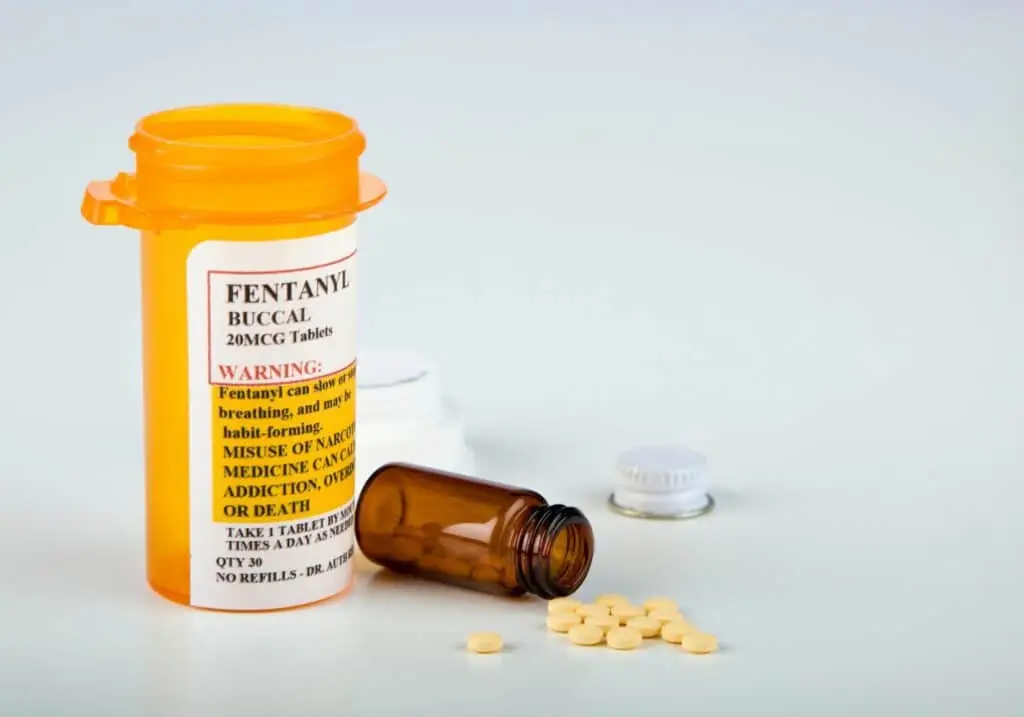
Fentanyl is dangerous not only because it is addictive, but because small amounts can have powerful effects on breathing and consciousness. People may be exposed to fentanyl intentionally or unintentionally, including through counterfeit pills or mixed drug supplies.
The overdose risk increases when fentanyl is used with other depressants such as alcohol or benzodiazepines. These combinations can deepen sedation and respiratory depression, making overdose more likely.
Another challenge is that fentanyl can complicate withdrawal and treatment timing. Some research has found increased odds of severe withdrawal when buprenorphine is started too soon after recent fentanyl use, which is why medical guidance matters so much in fentanyl detox planning.

dThe signs of fentanyl addiction can overlap with other opioid use disorders, but fentanyl often produces a faster and more dangerous cycle because of its potency. Adults may start noticing that the drug is taking over their decisions, routines, and sense of stability.
In some cases, the warning signs become clear only after a person starts experiencing withdrawal, escalating use, or overdose scares. The signs below can help identify when fentanyl use may have crossed into addiction.
Looking at patterns over time is more useful than judging one isolated event.

A person may feel consumed by the urge to use fentanyl, especially when withdrawal begins or stress increases. Cravings can become powerful enough to override work, family, and safety concerns.
Many adults no longer feel like they are using fentanyl to get high, but to prevent sickness, pain, anxiety, and other withdrawal symptoms. This is a major sign of physical dependence.
The person may use more often, use higher amounts, or have repeated episodes where they intend to stop but quickly return to fentanyl.
Sleep disruption, low energy, mood swings, poor appetite, anxiety, isolation, and reduced motivation may become more visible over time.
Blackouts, nodding off, slowed breathing, emergency situations, or needing naloxone can all signal severe fentanyl addiction and urgent treatment need.
Fentanyl use may continue even after relationship breakdown, health concerns, financial issues, or life-threatening close calls.
Fentanyl overdose can happen very quickly and should always be treated as a medical emergency. Signs may include slowed or stopped breathing, unresponsiveness, blue or gray lips, pinpoint pupils, and loss of consciousness.
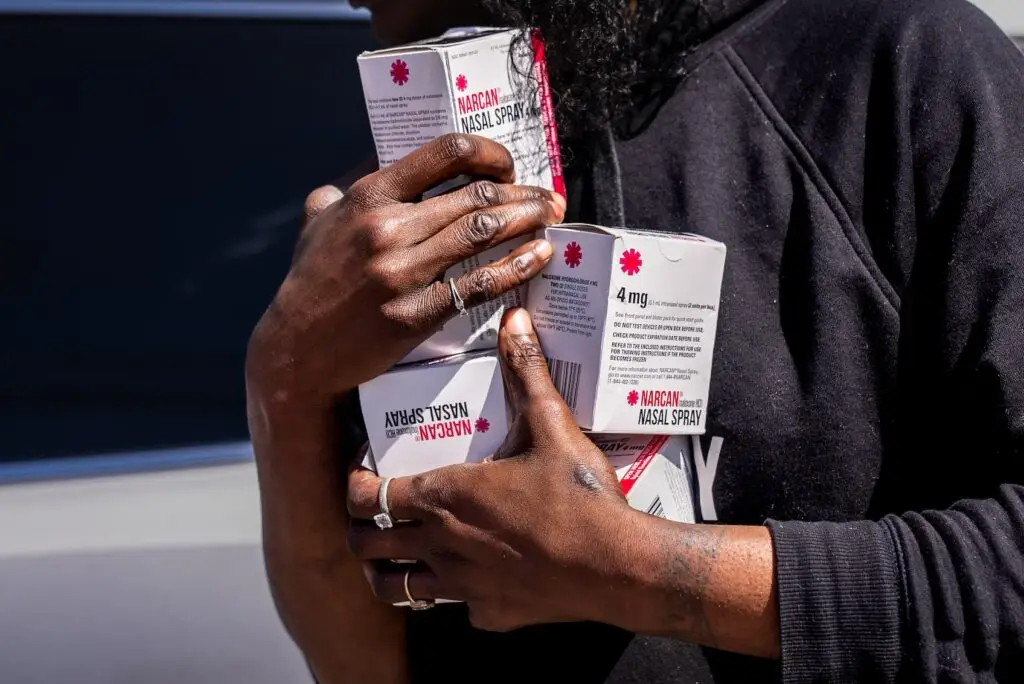
Naloxone is an opioid overdose reversal medication that can reverse opioid overdose, including fentanyl-involved overdose. SAMHSA states that naloxone is an appropriate response for opioid overdoses, including fentanyl overdoses.

Because fentanyl is highly potent, emergency response still matters even after naloxone is given. This section should be educational and safety-focused, not fear-based, and it should avoid making treatment guarantees. Take these steps an emergency situation:
- Call emergency services immediately (most of the time the operator will direct you on what to do next including CPR instructions)
- Give naloxone if available (if you forget how to administer it, ask the trained emergency operator for direction)
- Support breathing if trained (if not, ask the emergency operator for directions)
- Stay with the person until help arrives.
Fentanyl withdrawal happens when a person who has become dependent on fentanyl suddenly stops using it or cuts back sharply. The body reacts strongly because it has adapted to the presence of the opioid, and the nervous system must readjust without it.
While fentanyl withdrawal is usually not considered medically fatal by itself, it can be severe enough to lead to dehydration, distress, relapse, or unsafe choices. The biggest danger for many adults is returning to fentanyl quickly after a period of reduced tolerance, which can increase overdose risk.
This is one reason professional detox and structured treatment can be so valuable. The goal is not only to get through withdrawal, but to reduce relapse risk and create a safer path into long-term recovery.

Fentanyl withdrawal symptoms are similar to other opioid withdrawal symptoms, but some people report that fentanyl withdrawal feels especially intense or unpredictable. Symptoms usually involve both physical discomfort and emotional distress.
For many adults, the fear of withdrawal becomes one of the biggest barriers to stopping. Understanding the symptom pattern ahead of time can help reduce panic and support better treatment planning.
Common symptoms include the following:
Body aches, back pain, and generalized discomfort are common as the nervous system adjusts to the absence of opioids.
Many adults feel keyed up, restless, anxious, or unable to get comfortable during fentanyl withdrawal.
Sweating, chills, and temperature swings often appear early and can make the person feel flu-like and physically drained.
Gastrointestinal symptoms are common and can become exhausting if severe. These symptoms are one reason dehydration risk needs to be taken seriously in opioid withdrawal.
These early withdrawal signs are common in opioid detox and may appear before stronger physical symptoms peak.
It can be hard to fall asleep or stay asleep during fentanyl withdrawal, even when a person feels physically exhausted.
Strong cravings often increase as withdrawal discomfort builds, making relapse one of the biggest challenges during early recovery.
The fentanyl withdrawal timeline can vary depending on dose, duration of use, whether other drugs are involved, and the person’s overall health. In general, symptoms can begin within 8 to 24 hours after the last use, often peak within the next one to three days, and then gradually improve over about a week.
Even after the acute phase, some adults experience lingering low mood, poor sleep, anxiety, and reduced focus for longer. These symptoms can still affect functioning and relapse risk, which is why treatment should extend beyond the first few days.
The timeline gives a general picture of what many adults experience:
Early symptoms often include anxiety, agitation, yawning, sweating, muscle aches, watery eyes, and a growing sense of discomfort.
Withdrawal often reaches peak intensity during this period. Nausea, vomiting, diarrhea, chills, body aches, insomnia, cravings, and emotional distress may become more intense.
Physical symptoms often begin to ease, but fatigue, poor sleep, anxiety, and cravings may still be present. This is a key time for treatment engagement because people often feel tempted to return to use for relief.
Some adults continue to experience low mood, irritability, poor sleep, decreased focus, and stress sensitivity for weeks. Ongoing support can help reduce relapse risk during this longer adjustment phase.
Medical support is strongly recommended for fentanyl withdrawal because of how intense symptoms can feel and how quickly relapse can happen. Detox can help manage symptoms, monitor hydration and stability, and reduce the chance that a person returns to fentanyl just to stop the pain of withdrawal.
Professional care is especially important when fentanyl use is mixed with alcohol, benzodiazepines, stimulants, or other substances. It is also important when the person has co-occurring mental health symptoms, prior overdose history, repeated relapse, or limited support at home.
Treatment planning can also help with timing and medication decisions, especially because fentanyl’s presence in the body may complicate the initiation of certain medications if started too early.
Treatment for fentanyl addiction should focus on safety, stabilization, and long-term recovery, not just short-term detox. Because relapse after opioid withdrawal can be dangerous, a full continuum of care is often needed.
A strong treatment plan may include detox, therapy, residential care, outpatient programs, recovery support, and medication for opioid use disorder when appropriate. SAMHSA identifies opioid overdose reversal medications and broader treatment pathways as important parts of opioid-related care.
The right level of care depends on severity, overdose history, mental health needs, medical condition, living environment, and prior treatment experience.

Detox provides supervised support during early fentanyl withdrawal. It can help with symptom management, safety monitoring, and transition planning into the next level of care.
Residential treatment offers 24-hour structure and support away from triggers and access to opioids. It can be especially helpful for adults with severe fentanyl addiction, repeated relapse, or unstable home environments.
PHP provides intensive daytime treatment while allowing the person to return home or to sober housing at night. It can serve as a step-down from residential care or a strong outpatient option for adults needing significant structure.
IOP offers structured group and individual therapy several times a week without overnight care. This level supports recovery while allowing more flexibility for work or family obligations.
OP gives adults continued counseling, recovery planning, and follow-up support after higher levels of care or when symptoms are more stable.
Medication and therapy can both play important roles in fentanyl addiction treatment. Therapy helps address cravings, triggers, trauma, stress, and the behavioral patterns that keep opioid use going.
Medication planning is more nuanced in fentanyl treatment and should be handled by qualified professionals. Timing matters, and one reason is that starting buprenorphine too soon after recent fentanyl use may increase the odds of severe withdrawal in some people.
If fentanyl use is becoming difficult to control, or if withdrawal symptoms are making it feel impossible to stop, professional help can make the next step safer and clearer. You do not have to figure this out alone.
A confidential assessment can help you understand your withdrawal risk, treatment options, and the level of care that may fit your situation.
Whether you need detox, residential treatment, PHP, IOP, or outpatient support, reaching out now can help reduce risk and create a path forward.
Symptoms can begin within 8 to 24 hours after the last use, depending on the person’s use pattern and physical condition.
Common symptoms include body aches, sweating, chills, nausea, vomiting, diarrhea, insomnia, anxiety, restlessness, runny nose, yawning, and strong cravings.
Yes. Naloxone is an appropriate response for opioid overdoses, including fentanyl-involved overdoses. Emergency response is still necessary after naloxone is given.
Fentanyl withdrawal is usually not considered medically fatal by itself, but it can be severe, exhausting, and relapse-prone. Professional detox and treatment can help manage symptoms and reduce risk.
Yes. With the right treatment plan, many adults recover from fentanyl addiction and build safer, more stable routines over time.
We use cookies to improve your experience on our site. By using our site, you consent to cookies.
Manage your cookie preferences below:
Essential cookies enable basic functions and are necessary for the proper function of the website.
These cookies are needed for adding comments on this website.
You can find more information in our Cookie Policy and .