Admissions open 24/7 Licensed by California DHCS Granada Hills, CA
  1. Home
  2. Treatment
  3. Medical detox

My2Cents Recovery · Granada Hills · Los Angeles

Medical detox in the
San Fernando Valley

Medical detox is the first stage of addiction treatment. Staff check on you day and night while your body clears alcohol or drugs. Our medical director, who is also our medical doctor (MD), oversees your care and prescribes medicine when it's needed.

Some people need a hospital first. We'll tell you on the first call.

Free · Private · No commitment · Answered 24/7 · +1 (747) 500-4969

  • ✓DHCS license 191510AP
  • ✓Six beds · adults 18+
  • ✓Admissions 24/7

Licensed by the State Department of Health Care Services · License 191510AP · Expires 6/30/2027

01What medical detox is

Withdrawal, handled with medical care

med·i·cal de·tox noun

1. Supervised care while your body clears alcohol or drugs. Staff check your vital signs on a set schedule, day and night. Our medical director, who is also our medical doctor (MD), oversees your care by video and prescribes medicine when it's needed. A nurse is on site five days a week.

2. The first stage of treatment, not the whole of it. Residential treatment usually follows.

Where
A six-bed home, Granada Hills
Who
Adults 18+
How long
Usually 5 to 10 days
Next
Residential, same house

Medical detox is the start, not the whole treatment. The National Institute on Drug Abuse notes that detox alone does little to change long-term drug use. That's why we plan your next step on the first call.

Medical detox is usually the safer choice if you drink a lot every day. The same goes if you use opioids or fentanyl daily, take pills like Xanax every day, or mix drugs. It also matters if you got shaky, sick or panicked within a day the last time you tried to stop. If you're not sure, that's what the free phone assessment is for.

Stopping suddenly can be the most dangerous part.

Detox makes that part safer.

02Is it right for you?

Is medical detox here the right first step?

We're a licensed home, not a hospital. Knowing the difference keeps people safe. On the first call we'll tell you which side you're on.

✓Detox here may fit if

  • You drink or use drugs, even more than one, and you're ready to stop.
  • You're 18 or older and well enough to be cared for in a home.
  • You want to go straight into residential treatment once detox ends.
  • You've felt shaky, sick, sweaty or panicky when you tried to cut back or stop before.
  • You've had delirium tremens (DTs) or withdrawal seizures before. Tell us on the call: we'll plan for it and monitor you closely.

!A hospital comes first if

  • You've had a seizure in the last day, or you're confused or seeing things that aren't there.
  • You have chest pain, trouble breathing or another urgent medical problem.
  • You're pregnant.
  • You're thinking about suicide and have a plan.

Go to a hospital first if any of these apply. In an emergency, call 911. If you're thinking about suicide, call or text 988. Once you're safe, we'll help with the next step.

60-second check · nothing is saved

Do I need medical detox? Six quick questions.

Answer for yourself or for someone you love. You'll get a clear next step, even if it isn't us.

The right level of care is the one that's safe.

We'll help you find it, even if it isn't us.

03Our license, in plain words

Licensed for detox in a home setting

In California, the Department of Health Care Services (DHCS) licenses homes like ours. A second DHCS approval, called Incidental Medical Services, lets licensed medical staff give certain medical care, like detox, in the home. We hold both, and our detox is approved at ASAM Level 3.2-WM, clinically managed residential withdrawal management (about the ASAM levels). You can check each one yourself.

California Department of Health Care Services logo

State license

DHCS residential license

Licensed by the State Department of Health Care Services for residential treatment and detox for adults.

License
191510AP
Beds
6
Expires
6/30/2027
Check on the DHCS map →

Medical approval

Incidental Medical Services

DHCS approval for medical detox care in our licensed home.

Level
ASAM 3.2-WM
Means
Residential withdrawal care
Approved by
DHCS
What IMS means →
The Joint Commission Gold Seal of Approval

Accreditation

The Joint Commission

Accreditation for our residential treatment program.

Org ID
715830
Covers
Residential care (ASAM 3.1 and 3.5)
Not covered
Detox
Check the record →

What Level 3.2-WM means for you

A national group of addiction doctors, called ASAM, sorts withdrawal care into levels. Ours is Level 3.2-WM. That means you live at the house during detox. Staff are on site day and night. They check your symptoms and vital signs often. Our medical director prescribes medicine when you need it.

When a higher level is safer

Some people need a hospital or a medically monitored unit first, for example after a recent seizure, with chest pain or with confusion. We screen for this on the first call. If you need more care than we give, we'll say so and help you get there.

Live from the state's public records

Check any California detox's license

Before you choose a program, ours or anyone's, look it up. Type a name, city or license number.

Try:

Showing the state's record for our license.

  • MY2CENTS RECOVERY INCGranada Hills, CA
    License 191510APActive · expires 6/30/2027Detox listedMedical approval (IMS)6 beds
    Open on the DHCS map →

Data: DHCS licensed and certified facilities map, kept by the State of California. Always confirm with DHCS before you decide.

6 questions to ask any detox

Ask every program you call. Here are our answers.

  1. Is your state license active?UsYes. License 191510AP, active until 6/30/2027.
  2. Are you approved to give medical detox care?UsYes. DHCS Incidental Medical Services approval.
  3. What ASAM level is your detox?UsLevel 3.2-WM, clinically managed. We send people who need more to a hospital.
  4. What does your accreditation cover?UsThe Joint Commission covers our residential care. It doesn't cover detox.
  5. Are you in-network with my plan?UsNo. We're out-of-network with every plan. We check your benefits for free and tell you if we can accept your plan.
  6. Do you pay anyone for referrals?UsNo. Paying for patient referrals breaks federal law.
04What's included

What medical detox here actually includes

Six parts of every medical detox stay, from the first hour to the last.

Around-the-clock checks

Staff check your heart rate, blood pressure and temperature on a set schedule, day and night. They check more often when symptoms get worse.

Medicine when it's needed

Our medical provider decides if you need medicine, and how much. For alcohol, that may be diazepam (Valium). For opioids, it may be buprenorphine (Suboxone) and methocarbamol (Robaxin) for muscle aches. Clonidine and gabapentin help with both. Zofran is only for nausea, when you need it.

Rest, food and quiet

Sleep, fluids and regular meals do a lot of the healing. With six beds, the house stays calm enough to actually rest.

Therapy from early on

When you feel able, you start talking with a counselor. That way, residential treatment feels like the next step, not a new start.

Family kept informed

With your written consent, we keep the people you choose updated. Without it, your stay stays private, as federal law requires.

Your phone stays with you

Many clients work or care for family, so we help you use your phone and laptop to keep up with what matters. If your phone starts to get in the way of recovery, we work it out with you.

05Day by day

What happens during your stay

Every medical detox is different. Here's the usual shape of it, from the first call to residential treatment.

  1. Before you arrive

    The phone assessment

    What you use, how much and for how long, plus your health and medicines. With your OK we check your insurance, then set a day and time.

  2. Day 1

    Arrival and intake

    A medical intake, your vital signs and a withdrawal plan. You see your room, meet the team and rest.

  3. About days 1 to 3

    The hardest stretch

    For many substances, withdrawal is worst here. Staff check on you most often and change your care as you need.

  4. About days 4 to 10

    Steadier, then next

    Sleep and appetite return and therapy starts. When you're stable, you move into residential treatment in the same house.

Timing varies by substance, amount and health. Sources: MedlinePlus, alcohol withdrawal · MedlinePlus, opioid withdrawal
06Withdrawal by substance

How withdrawal differs by substance

Each substance leaves the body on its own schedule. So we put them all on the same clock. Every timeline below uses the same six checkpoints, from your last use to after detox.

Withdrawal on one clock

Pick a substance, then drag through the same six checkpoints: alone versus here

  1. Last useYour last drink
  2. Day 1Withdrawal starts
  3. Days 2 to 3Usually the worst
  4. Days 4 to 7Watch for DTs
  5. Weeks 2 to 4Mostly over
  6. After detoxYour next step

Days 2 to 3

Usually the worst

Symptoms are often strongest from about 36 to 72 hours. Seizures are a real risk.

Alone at home

A seizure at home may happen with no one there to help.

With us

Checks are most frequent now, day and night. Medicine lowers the seizure risk.

Seizure, overdose, trouble breathing or chest pain: call 911 right away. Sources: WHO withdrawal guidelines (NIH) · MedlinePlus: alcohol withdrawal · MedlinePlus: DTs

The biggest risk, at a glance

  • Alcohol

    Can be deadly

    Seizures and DTs, a sudden, severe confusion, can kill. After heavy drinking, don't stop on your own.

    More on alcohol detox →
  • Opioids & fentanyl

    Overdose after detox

    Withdrawal is rarely deadly by itself. But tolerance drops fast, so an old dose can then cause an overdose.

    More on fentanyl detox →
  • Benzodiazepines

    Never stop suddenly

    The FDA warns that stopping pills like Xanax all at once can cause seizures. A slow taper is safer.

    More on benzo detox →
  • Meth

    No pill fixes it

    No medicine is FDA-approved for meth yet. The crash can bring deep lows, so close support matters.

    More on meth detox →
  • Cocaine & crack

    Watch your mood

    Cravings and low mood can last for months after heavy use. If low mood turns into thoughts of self-harm, get help right away.

    More on cocaine detox →
  • Adderall & stimulants

    Plan the stop

    After overuse, stopping all at once can leave you very tired and very low.

    More on Adderall detox →
  • Cannabis

    Hard to push through

    Rarely dangerous, but anger, worry and poor sleep make it easy to use again.

    More on cannabis detox →
  • More than one

    Tell us everything

    Mixing raises the risk. Alcohol, benzos and opioids together can slow your breathing. It isn't judged. It helps us plan a safer detox.

07Medicine & safety

The medicines that make detox safer

Only our licensed provider decides if you need a medicine. Swipe to see the medicines we may use in medical detox.

7 medicines
Rx · used here when prescribed01 / 07

For: Alcohol

Diazepam

Brand name: Valium

FDA-approved for alcohol withdrawal

What it does
It calms your body as the alcohol leaves it.
Why it matters
It lowers the risk of seizures, one of the most dangerous parts of quitting alcohol.
Good to know
Doses go down as you get better. Staff watch for sleepiness.
Source: MedlinePlus ↗
Rx · used here when prescribed02 / 07

For: Alcohol & opioids

Gabapentin

Brand name: Neurontin

Off-label for withdrawal

What it does
It can ease poor sleep, worry and restless legs during alcohol or opioid withdrawal.
Why it matters
Experts list it as an option for milder alcohol withdrawal. Providers also use it to ease opioid withdrawal.
Good to know
It may make you sleepy or dizzy at first, so staff check on you.
Source: ASAM guideline ↗
Rx · used here when prescribed03 / 07

For: Opioids & fentanyl

Buprenorphine

Brand name: Suboxone

FDA-approved for opioid use disorder

What it does
It eases opioid withdrawal and cravings. The FDA approves it for opioid use disorder.
Why it matters
It also lowers the risk of overdose after detox, when your body can't handle the old dose.
Good to know
The first dose is timed for when withdrawal has started. Your provider decides when.
Source: MedlinePlus ↗
Rx · used here when prescribed04 / 07

For: Alcohol & opioids

Clonidine

Brand name: Catapres

Off-label for withdrawal

What it does
It calms the body's alarm system: sweating, worry, restless legs and a fast heartbeat.
Why it matters
It makes the hardest days easier to get through, for alcohol and for opioids.
Good to know
It can lower blood pressure, so staff check yours before each dose.
Source: MedlinePlus ↗
Rx · used here when prescribed05 / 07

For: Muscle aches

Methocarbamol

Brand name: Robaxin

Off-label for withdrawal aches

What it does
It relaxes tight, aching muscles.
Why it matters
Body aches and cramps are common in opioid withdrawal. Easing them helps you rest.
Good to know
It can make you sleepy or dizzy, so staff check on you.
Source: MedlinePlus ↗
Rx · used here when prescribed06 / 07

For: Only when needed

Ondansetron

Brand name: Zofran

Off-label for withdrawal nausea

What it does
It stops nausea and vomiting.
Why it matters
Keeping food and fluids down helps your body heal during detox.
Good to know
You only get it if you feel sick to your stomach. Many people never need it.
Source: MedlinePlus ↗
Rx · used here when prescribed07 / 07

For: After detox

Naltrexone

Brand name: ReVia · a daily pill

FDA-approved for alcohol and opioid use disorder

What it does
It lowers cravings for alcohol and blocks the effects of opioids. The FDA approves it for both.
Why it matters
It can help protect your recovery once detox is done.
Good to know
For opioids, you must be opioid-free for 7 to 10 days first, or it can cause sudden withdrawal.
Source: MedlinePlus ↗

Off-label means a medicine is used for a reason the FDA didn't first approve it for. It's common and legal. Your provider will explain why. Sources: FDA on off-label use

Medicine eases the hardest days.

Staff on site day and night watch how it works.

08Where you'll detox

Medical detox in a six-bed home

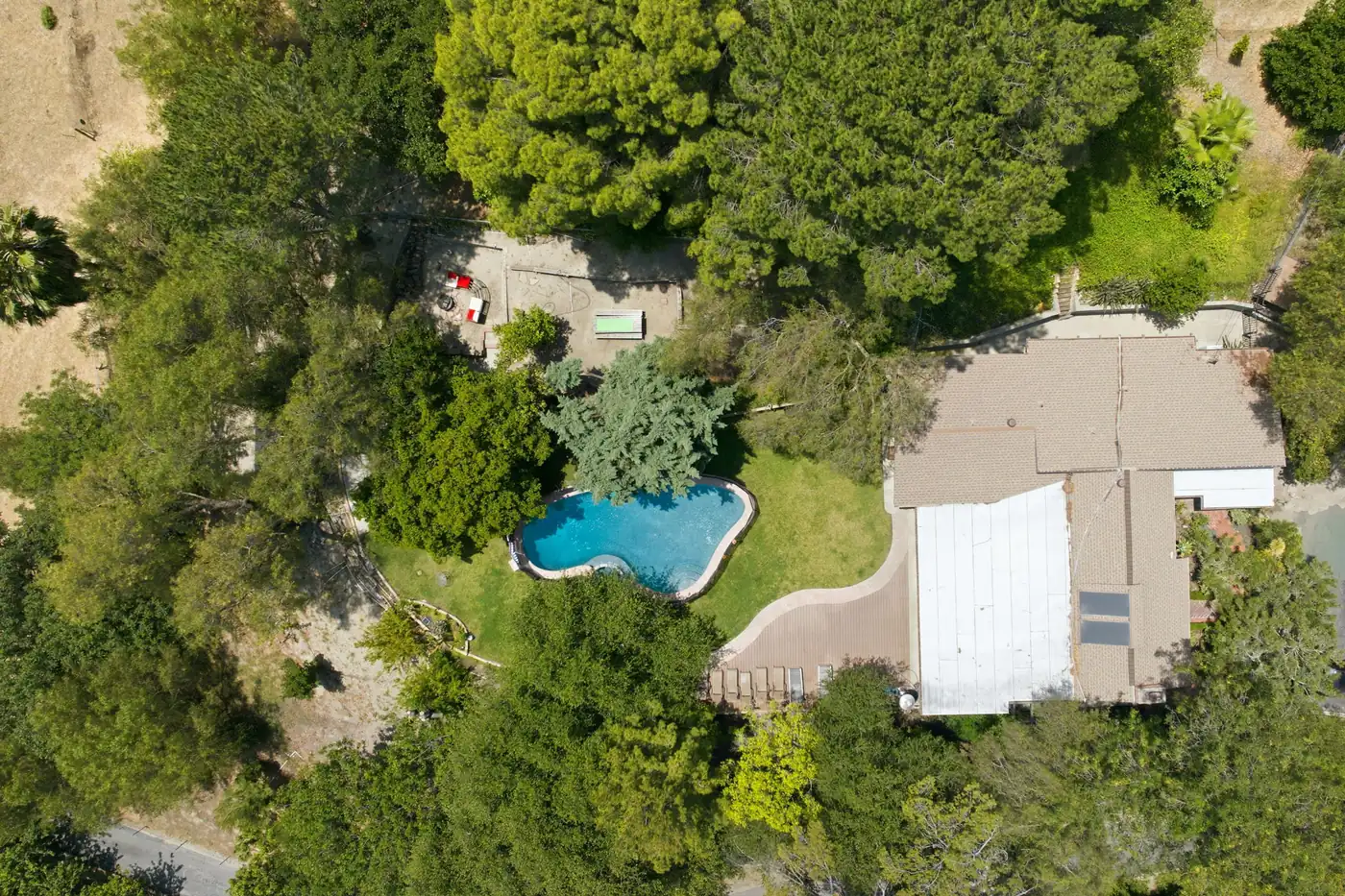
The first days of detox are the hardest. Where you spend them matters. Our house sits in the Granada Hills foothills of Los Angeles, with a pool, gardens and room to breathe. Take the tour below.

Aerial view of the six-bed My2Cents Recovery medical detox home in Granada Hills, Los Angeles
Brick path and metal arbor leading to the front door of the Granada Hills home
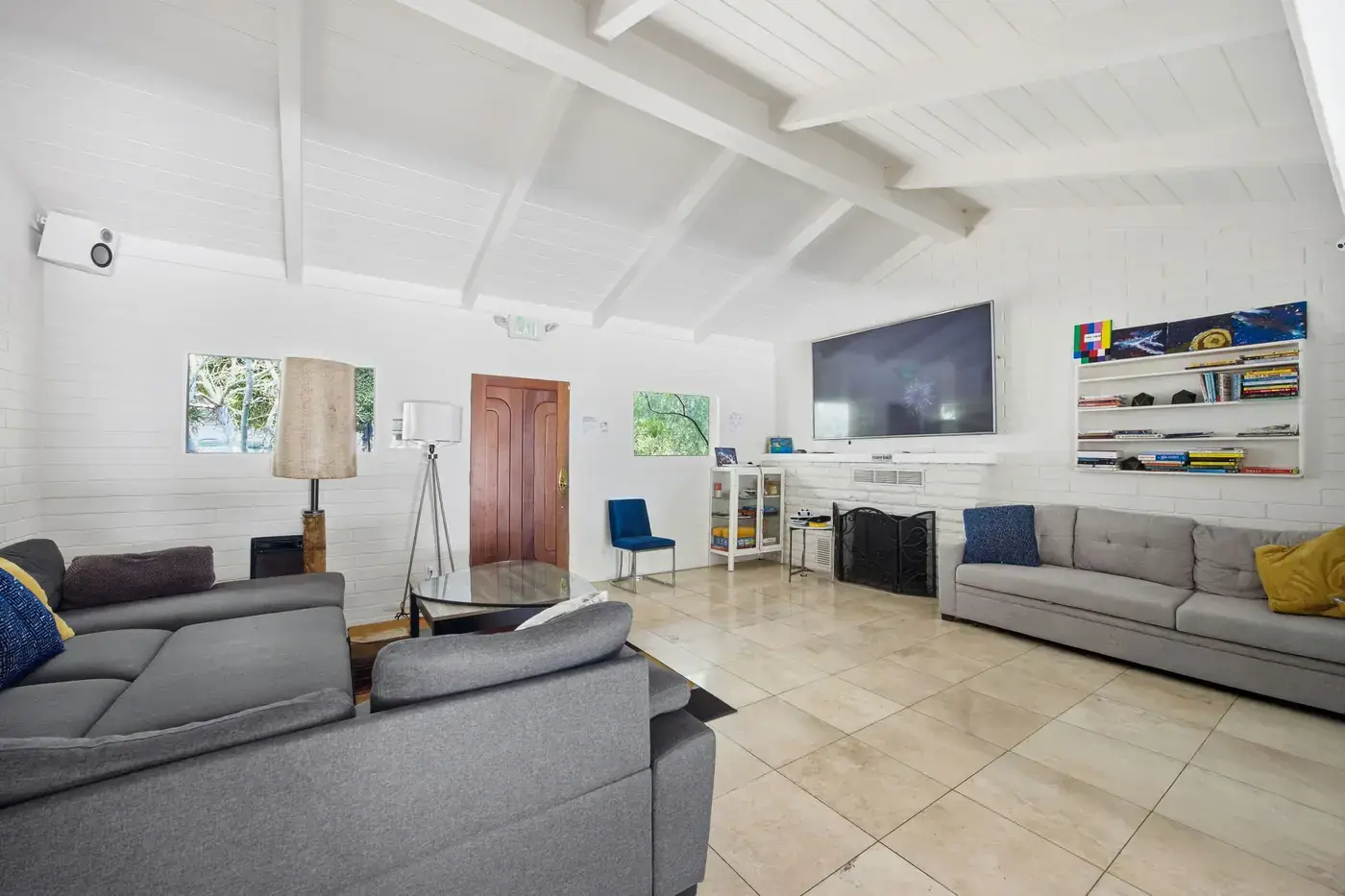
Living room with sofas, a large TV, a fireplace and bookshelves
Dining room with a glass table, blue chairs and windows onto the patio
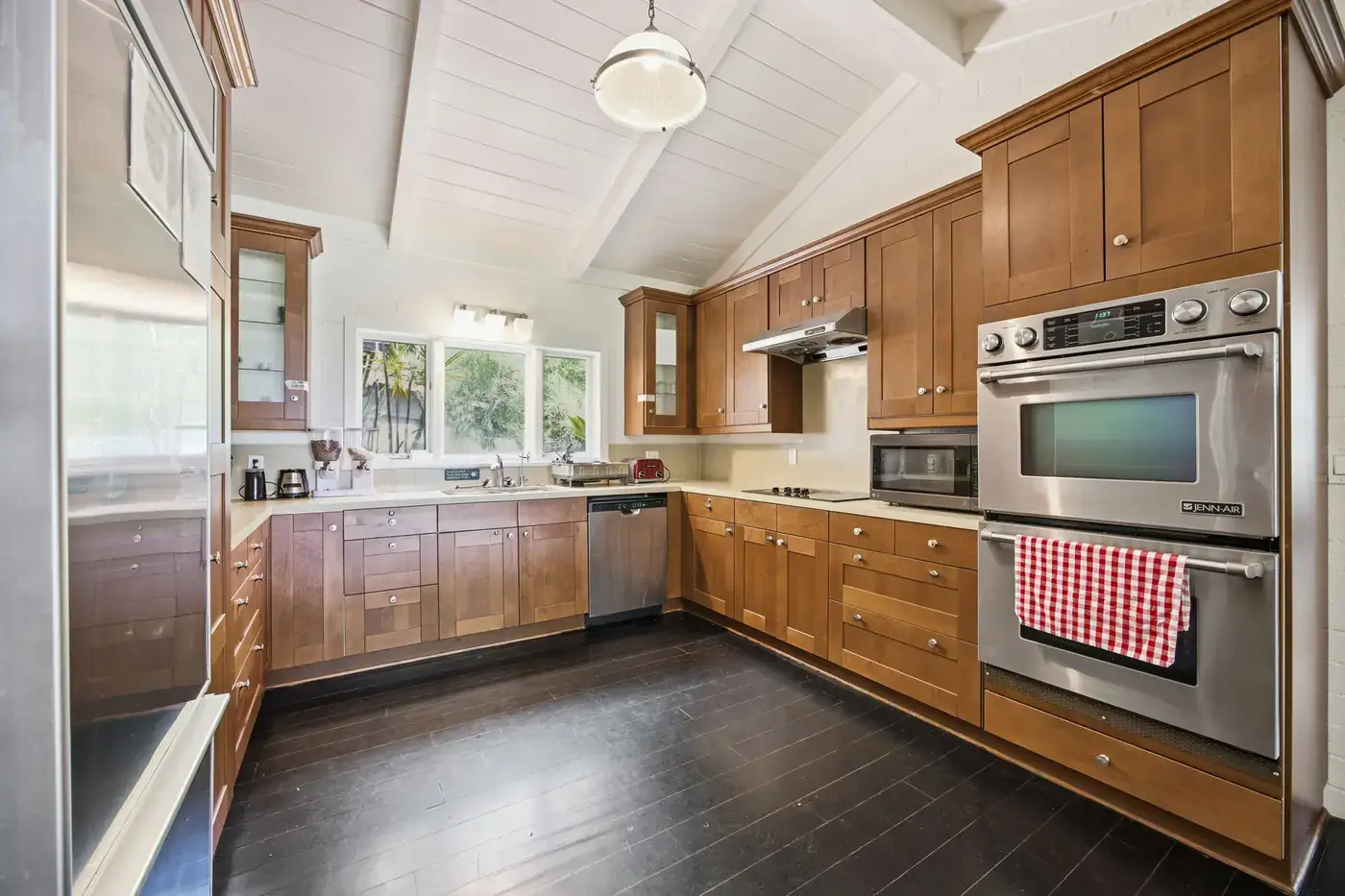
Full kitchen with wood cabinets, steel appliances and double ovens
Covered patio with a pool table, string lights and lounge seating
Backyard lawn, deck with lounge chairs and a fenced pool
Two white chairs on a raised garden lawn under trees
Citrus tree and a small bistro table in a garden

01From above

Stop 1 of 9

From above

Our medical detox home sits on a private lot with trees on every side, in the Granada Hills foothills. Tap a gold pin to jump there.

Real photos of our Granada Hills medical detox home. No stock images.

Quiet enough to rest

Six people at most. Fewer comings and goings, and more sleep.

Seen, not processed

A small house means staff know you by name and notice changes early.

One move, not two

Detox and residential treatment happen in the same home, with the same team.

09Levels of care

Where medical detox fits in your care

Detox is one stage of three. Here's how it connects to what comes next.

  1. This page

    Stage 1 · usually 5–10 days

    Medical detox

    Supervised care while your body clears alcohol or drugs, with vital-sign checks around the clock.

  2. Stage 2 · based on progress

    Residential treatment

    Once you're stable, you live at the house and do the work: one-on-one therapy, groups, and care for co-occurring mental health.

    See residential treatment →
  3. Stage 3 · before you leave

    Aftercare

    We don't run outpatient programs here. Before you leave, we line up PHP, IOP, outpatient therapy or peer support that fits your needs and insurance.

10Paying for detox

Paying for medical detox with a PPO plan

We're an out-of-network provider. We have no contract with any insurance company, but many PPO plans help pay for medical detox. We check your benefits for free and go over them with you by phone.

Our clients have used out-of-network benefits from PPO plans like these:

  • Aetna
  • Anthem Blue Cross
  • Cigna
  • UnitedHealthcare
  • UMR
  • Meritain Health
  • GEHA (federal employees)
  • Out-of-state Blue Cross Blue Shield PPOs
  • Employer-sponsored PPO plans
  • Other PPO plans

Have these ready when you call: your insurance card, front and back. The plan holder's name and birth date. A list of the medicines you take.

Not accepted: HMO plans, Medi-Cal or any other type of insurance. We work with PPO plans only. On Medi-Cal in Los Angeles County? Call the county's substance use helpline at 1-844-804-7500. LA County SAPC

How your insurance check works

  1. Share your PPO details. Call us, or use our insurance form.
  2. We verify your benefits for free. We check your plan's out-of-network benefits with your insurance company.
  3. You get a clear yes or no. We call you back and tell you if we can accept your plan.
  4. If it's a no, you're not on your own. We'll connect you with a trusted program that takes your plan.

We never pay or receive money for referrals.

Check my insurance

11Calling for someone else

Calling for someone else?

For families

When it's someone you love

  • You can call before they agree to detox. Many families do.
  • We'll explain detox, what it costs and what to say.
  • We can't admit an adult without their consent, but we can help you plan a calm talk.
Talk to us about a loved one

For professionals

Referring a client

  • One call for clinical fit, bed status and a PPO benefits check.
  • Progress updates with a signed release of information.
  • No one is paid for referrals, in either direction.
Call to refer a client

Questions & answers

Medical detox questions

Getting started

What is medical detox?

Medical detox is supervised care while your body clears alcohol or drugs. Staff check your vital signs day and night. Our medical director, who is also our medical doctor (MD), oversees your care by video and prescribes medicine when it's needed. A nurse is on site five days a week. It's the first stage of treatment. Most people go straight into residential treatment next.

How long does medical detox take?

Usually 5 to 10 days. It depends on the substance, how much you used, how long, and your health. Alcohol withdrawal usually lasts 2 to 10 days. Opioid withdrawal from heroin or most pills often lasts 4 to 10 days. Benzodiazepines can need a longer, slower taper.

Where is your medical detox located?

In Granada Hills, in the San Fernando Valley of Los Angeles. Our licensed six-bed home is at 12000 Highwater Rd, Granada Hills, CA 91344. Tours are by appointment.

Can I be admitted today?

Sometimes. Same-day admission may be possible after your phone assessment, a benefits check and confirming a bed is open. With six beds, openings change daily. Call to find out.

Is it safe to detox at home?

After heavy, daily use of alcohol or benzodiazepines, it can be dangerous. Talk to a doctor before you stop. In an emergency, call 911.

What does ASAM Level 3.2-WM mean?

It means you live at the house during detox. Staff are on site day and night. They check your symptoms and vital signs often. Our medical director prescribes medicine when you need it. People who need hospital care go to a hospital first.

I've had DTs or withdrawal seizures before. Can I detox here?

Often, yes, with close monitoring. Tell us on the first call so we can plan for it. If you've had a seizure in the last day, or you're confused or seeing things, go to a hospital first.

During detox

Is alcohol withdrawal dangerous?

It can be. After heavy, daily drinking, withdrawal can cause seizures and delirium tremens, which can be life-threatening. That's why alcohol detox should happen with medical care.

Will I be given medicine?

If you need it, yes. Our medical provider decides after your assessment. For alcohol, that may be diazepam (Valium). For opioids, it may be buprenorphine (Suboxone) and methocarbamol (Robaxin) for aches. Clonidine and gabapentin help with both. Zofran is only for nausea. After detox, naltrexone, a daily pill, can lower cravings.

Can I keep my phone during detox?

Yes. You can keep your phone. Many of our clients work or have family and other obligations, so we help you use your phone and laptop to stay on top of them. If your phone starts to get in the way of your recovery, we'll talk about it with you and may hold it for a while, together with you.

What happens after detox?

Most people move straight into residential treatment in the same house. Before you leave, we also help set up your next step, like PHP, IOP or outpatient therapy.

Do you use Suboxone for opioid withdrawal?

Yes, when our provider prescribes it. Buprenorphine (Suboxone) is approved by the FDA. It eases opioid withdrawal and cravings. Clonidine can help with sweating and worry. Ondansetron (Zofran) is only for nausea.

Can I keep working during detox?

Many of our clients keep up with work and family from the house. You keep your phone and laptop, and staff help you stay on top of your obligations while your health comes first. If your phone starts to get in the way of recovery, we'll work it out together.

Do I have to go to residential treatment after detox?

No, but most people benefit from it. Detox treats withdrawal, not the addiction itself. We'll recommend the next step that fits you, whether that's residential treatment here or an outpatient program closer to home.

Can medicine help with cravings after detox?

Yes. Naltrexone, a daily pill, can lower cravings for alcohol and block the effects of opioids. The FDA approves it for both. For opioids, you need to be opioid-free for 7 to 10 days before the first dose, or it can cause sudden withdrawal. Our provider will tell you if it fits your plan.

Insurance & cost

Does insurance cover medical detox?

Many PPO plans help pay for medical detox. We're out-of-network, so coverage depends on your plan's out-of-network benefits. We check them for free and tell you if we can accept your plan. If we can't, we'll connect you with a trusted program that can.

Do you take Medi-Cal, HMO or other insurance?

No. We work with PPO plans only. We don't accept HMO plans, Medi-Cal or any other type of insurance. Call us anyway, and we'll connect you with a trusted program that takes your plan. You can also call the free, 24/7 SAMHSA National Helpline at 1-800-662-4357.

Families

Can I call for a family member who isn't ready?

Yes. Many families call first. We can't admit an adult without their consent, but we can explain detox and help you plan what to say.

Will you tell my family I'm in detox?

Only with your written consent. Federal law, 42 CFR Part 2, protects substance use treatment records more strictly than other health records.

Sources

Every medical fact on this page links to a government or medical source. Facts about our program come from our state license and our clinical team.

  1. World Health Organization (via NIH Bookshelf): Clinical guidelines for withdrawal managementWhen withdrawal starts and how long it lasts, for each substance. The base for every timeline on this page
  2. MedlinePlus (NIH): Alcohol withdrawalWhen alcohol withdrawal starts and peaks, and why it can be dangerous
  3. MedlinePlus (NIH): Delirium tremensDTs most often appear 48 to 96 hours after the last drink
  4. MedlinePlus (NIH): Opiate and opioid withdrawalWhen opioid withdrawal starts and what it feels like
  5. U.S. FDA: Boxed warning for benzodiazepinesStopping benzodiazepines suddenly can cause seizures
  6. CDC: FentanylFentanyl and overdose risk
  7. NIDA: MethamphetamineNo FDA-approved medicine yet for meth or other stimulant use disorders
  8. NIDA: Principles of Drug Addiction TreatmentDetox is only the first stage of treatment
  9. SAMHSA: BuprenorphineHow buprenorphine treats opioid use disorder
  10. U.S. FDA: Medications for opioid use disorderFDA-approved medicines for opioid use disorder
  11. MedlinePlus: DiazepamDiazepam (Valium) and its use in alcohol withdrawal
  12. MedlinePlus: ClonidineClonidine and its uses
  13. MedlinePlus: OndansetronOndansetron (Zofran) for nausea and vomiting
  14. MedlinePlus: BuprenorphineBuprenorphine (Suboxone) for opioid dependence
  15. ASAM: About the ASAM CriteriaHow levels of care, like 3.2-WM, are defined
  16. California DHCS: Incidental Medical ServicesWhat IMS approval allows in a licensed program
  17. California DHCS: Licensed facility mapOur license 191510AP and its expiration date
  18. eCFR: 42 CFR Part 2Federal privacy rules for substance use treatment records
  19. SAMHSA National HelplineFree, confidential help 24/7: 1-800-662-4357
  20. MedlinePlus: GabapentinGabapentin and its uses
  21. ASAM: Alcohol withdrawal management guidelineGabapentin as an option for milder alcohol withdrawal
  22. MedlinePlus: MethocarbamolMethocarbamol (Robaxin) for muscle aches
  23. MedlinePlus: NaltrexoneNaltrexone for cravings; the 7 to 10 day opioid-free rule
  24. MedlinePlus: Cocaine withdrawalThe crash, cravings and mood after stopping cocaine
  25. MedlinePlus: Dextroamphetamine and amphetamineStopping Adderall after overuse can cause severe depression and tiredness
  26. Pétursson, Addiction (1994): Benzodiazepine withdrawalRebound within 1 to 4 days; full withdrawal often 10 to 14 days
  27. McGregor et al., Addiction (2005): Methamphetamine withdrawalPeak within 24 hours; acute phase 7 to 10 days
  28. Bonnet & Preuss (2017): Cannabis withdrawal syndromePeak on days 2 to 6; usually lasts up to 3 weeks
  29. NIDA: CannabisWithdrawal symptoms; no FDA-approved medicine yet
  30. U.S. FDA: Understanding unapproved use of approved drugsWhat "off-label" means, and why it's legal
  31. 18 U.S.C. § 220 (EKRA)Federal ban on paying for patient referrals

Admissions · 24/7

Ready to talk about medical detox?

+1 (747) 500-4969

Free · Private · No commitment

Medical emergency, including overdose: call 911 · Emotional crisis: call or text 988