Admissions open 24/7 Licensed by California DHCS Granada Hills, CA

Depression Treatment: 7 Types, Signs and Symptoms & How My2Cents Recovery Helps You Heal

Depression is not weakness and it is not sadness — it is a medical condition that steals everything quietly. And it is one of the most treatable conditions we see.

Depression does not always look the way people expect it to. It does not always mean crying on the floor or being unable to get out of bed — though it can mean that too. For millions of people, depression looks like going through the motions while feeling nothing. Like waking up exhausted no matter how long you slept. Like losing interest in everything that used to matter and not being able to explain why to the people who love you.

Depression is one of the leading causes of disability worldwide — and one of the most common underlying conditions our clinical team identifies in people who come to us seeking help for substance abuse. The connection is not accidental. When the heaviness of untreated depression becomes unbearable, alcohol feels like relief. Opioids feel like warmth. Stimulants feel like the energy and motivation that depression stripped away. Substances do not cause the emptiness — they are the response to it.

At My2Cents Recovery, we treat depression as the primary clinical condition it is — not as a side effect of addiction and not as something that will resolve once the substances stop. Our integrated depression treatment program identifies every layer of what you are carrying, addresses the depression and the substance use simultaneously, and builds a path toward recovery that is built around your life — not a generic program designed for someone else.

What Is Depression? Understanding the Difference Between Sadness & a Clinical Condition

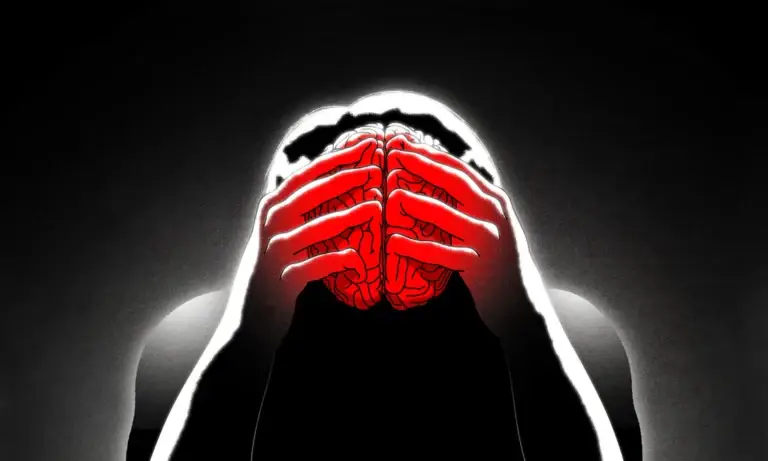
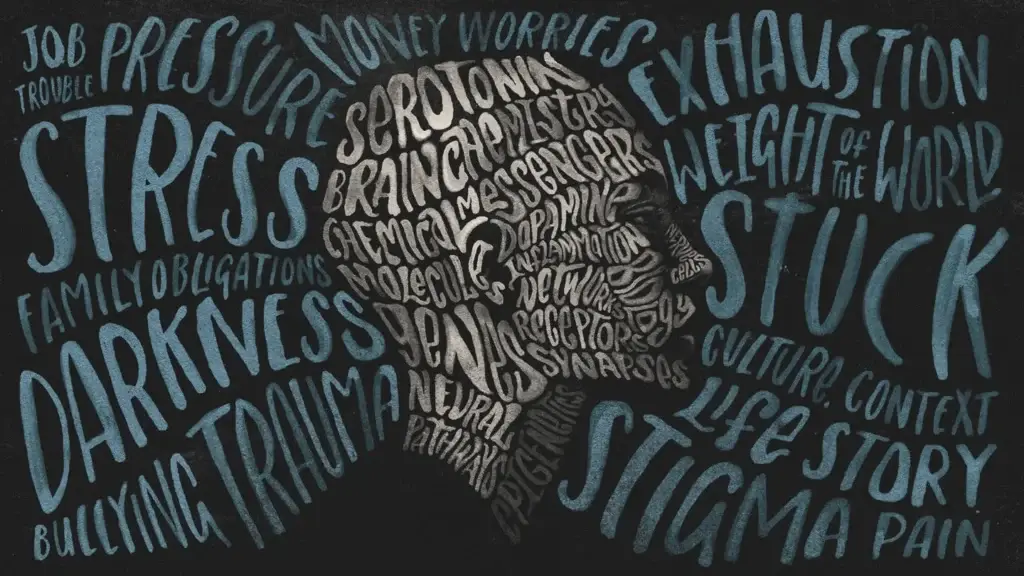
Depression — clinically known as Major Depressive Disorder and its related conditions — is a medically recognized mental health condition that affects how a person thinks, feels, functions, and experiences the world around them. It is classified in the DSM-5 with specific diagnostic criteria, measurable symptoms, and well-researched treatment pathways. It is not a phase, not an attitude problem, and not something that responds to being told to look on the bright side. It is a medical condition rooted in brain chemistry, neurological function, genetics, and lived experience — and it deserves the same clinical seriousness as any physical illness.

The difference between normal sadness and clinical depression is not just about intensity — it is about duration, pervasiveness, and function. Grief and sadness are natural human responses to difficult circumstances that typically ease as time passes and circumstances change. Clinical depression persists regardless of external circumstances, often without a clear trigger, and interferes with a person's ability to function in daily life for weeks, months, or years at a time. It does not lift with a good night's sleep, a vacation, or a change in attitude — it requires clinical treatment.
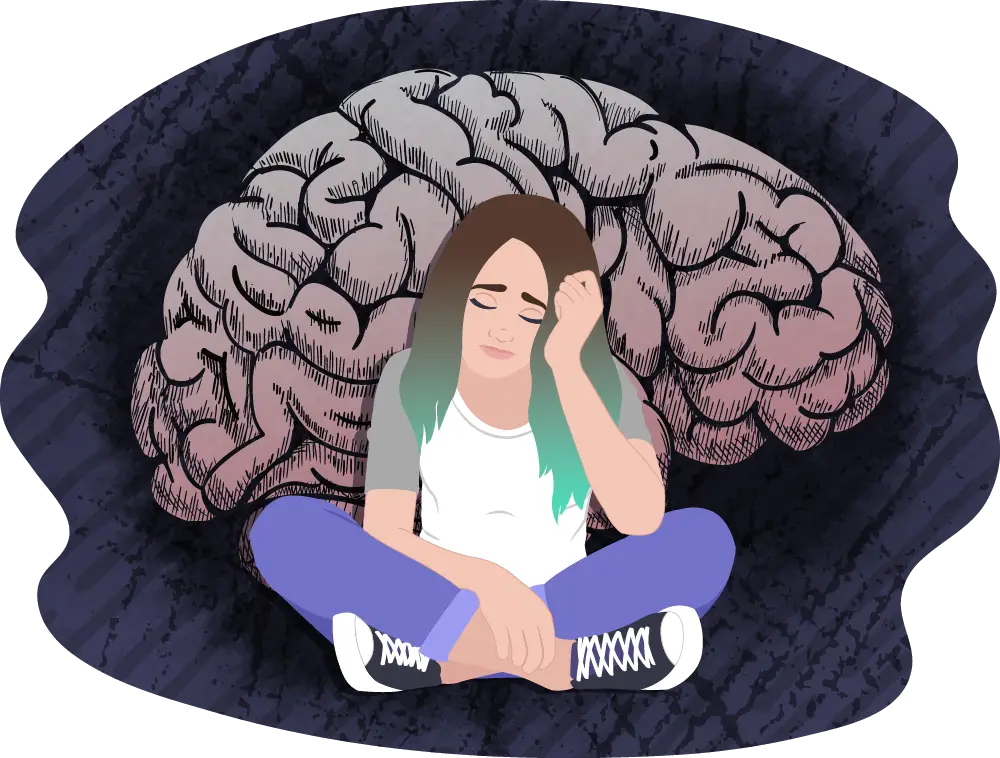
The difference between normal sadness and clinical depression is not just about intensity — it is about duration, pervasiveness, and function. Grief and sadness are natural human responses to difficult circumstances that typically ease as time passes and circumstances change. Clinical depression persists regardless of external circumstances, often without a clear trigger, and interferes with a person's ability to function in daily life for weeks, months, or years at a time. It does not lift with a good night's sleep, a vacation, or a change in attitude — it requires clinical treatment.

One of the most important things to understand about depression is that it does not always look like sadness. Many people living with clinical depression describe it not as overwhelming sorrow but as profound numbness — an inability to feel much of anything at all. Others experience it as chronic irritability, physical exhaustion, brain fog, or a loss of interest in everything they used to care about. Depression wears many faces, which is precisely why it so often goes unrecognized and untreated for years before someone finally receives an accurate diagnosis.

According to the World Health Organization, depression affects more than 280 million people worldwide — making it one of the most prevalent medical conditions on the planet. In the United States alone, an estimated 21 million adults experience at least one major depressive episode each year. Despite those numbers, the majority of people living with depression never receive adequate treatment. At My2Cents Recovery, we are committed to changing that — one person, one accurate diagnosis, and one personalized treatment plan at a time.
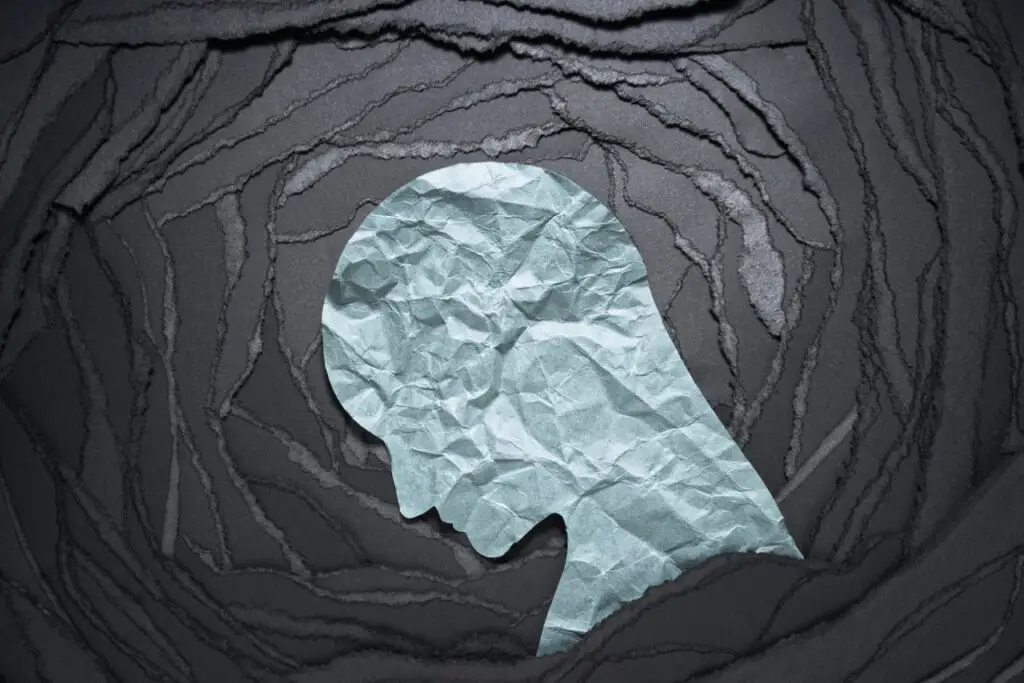
depression feature picture #1

Sadness is a feeling. Depression is a condition. And that distinction matters more than most people realize.

Learn about depression signs and symptoms throughout this page.

Want to understand how depression connects to other mental health conditions we treat?

7 Types of Depression Disorders We Treat at My2Cents Recovery

Depression is not one condition — it is a family of related disorders, each with its own presentation, its own triggers, and its own treatment needs.

Understanding which type of depression you are living with is not just a clinical formality — it is the difference between a treatment plan that works and one that misses the mark entirely. At My2Cents Recovery, our clinical team identifies your specific depression diagnosis from the very first assessment so that every therapy selected, every session structured, and every step of your care is precisely targeted to what you are actually dealing with.

1. Major Depressive Disorder (MDD)

Major Depressive Disorder is the most commonly diagnosed form of depression — characterized by persistent low mood, loss of interest or pleasure in activities, fatigue, cognitive difficulties, and in severe cases, thoughts of death or suicide. To meet the clinical criteria for MDD, symptoms must be present for at least two weeks and represent a significant change from previous functioning. MDD is one of the leading causes of disability worldwide and one of the most common conditions driving substance use that our team sees at My2Cents Recovery.

2. Persistent Depressive Disorder (Dysthymia)

Persistent Depressive Disorder — formerly known as dysthymia — is a chronic, lower-grade form of depression that lasts for two years or more. Because its symptoms are less dramatic than MDD, it is frequently overlooked and dismissed as simply "being a pessimistic person" or having a negative outlook. But the cumulative toll of living with chronic low-grade depression for years is enormous — quietly eroding motivation, relationships, and quality of life in ways that compound significantly over time and frequently lead to self-medication.

3. Bipolar Depression

Bipolar depression refers specifically to the depressive episodes experienced by people living with bipolar disorder — and it is critically important to distinguish from MDD because the treatment approach is fundamentally different. Antidepressants used to treat MDD can trigger manic episodes in people with bipolar disorder, which is why accurate diagnosis before any medication is prescribed is non-negotiable. At My2Cents Recovery, our psychiatric team is specifically trained to identify bipolar depression and treat it with the precision it requires.

4. Postpartum Depression

Postpartum depression is a serious, clinically recognized form of depression that develops after childbirth — affecting up to 1 in 5 new mothers and, less commonly, new fathers as well. It goes far beyond the "baby blues" that many new parents experience in the first days after birth. Postpartum depression involves intense sadness, anxiety, exhaustion, and feelings of inadequacy or disconnection from the baby that persist and worsen without treatment. It is a medical condition — not a reflection of parenting ability — and it is fully treatable with the right clinical support.

5. Seasonal Affective Disorder (SAD)

Seasonal Affective Disorder is a form of depression that follows a predictable seasonal pattern — most commonly beginning in late fall or early winter and lifting in spring. It is driven by reduced sunlight exposure affecting brain chemistry, circadian rhythms, and serotonin and melatonin levels. SAD is significantly more than the "winter blues" — it produces the full clinical symptom profile of major depression and for many people drives increased alcohol use and social withdrawal during the months it is most severe.

6. Situational Depression

Situational depression — clinically referred to as adjustment disorder with depressed mood — develops in direct response to a specific stressful life event such as job loss, divorce, bereavement, a medical diagnosis, or a major life transition. While it is triggered by circumstances rather than brain chemistry alone, it is no less real and no less disruptive than other forms of depression. Without treatment, situational depression can persist long after the triggering event has resolved and frequently becomes a gateway into substance use.

7. Treatment-Resistant Depression

Treatment-resistant depression is diagnosed when a person has not responded adequately to at least two different antidepressant treatments tried at appropriate doses and durations. It affects an estimated 30% of people with major depressive disorder and represents one of the most challenging — and most mismanaged — presentations of depression in mental healthcare. At My2Cents Recovery, our psychiatric team has experience with treatment-resistant depression and approaches it with the clinical depth, patience, and specialized therapeutic tools it demands.

If you are unsure which type of depression you are living with — or if you have been diagnosed before but never felt like the treatment truly fit — that uncertainty is exactly what our clinical assessment is designed to resolve. Many of our clients arrive having been treated for the wrong type of depression for years. Getting the diagnosis right is not a small thing. It is everything. And at My2Cents Recovery, it is always where we begin.

Signs & Symptoms of Depression: What It Actually Looks & Feels Like

Depression shows up differently in every person — but these are the signs our clinical team sees most consistently in the people who reach out to us.

The last item in that list is one of the most important — and one of the most underrecognized connections in all of mental health treatment. For a significant portion of people living with untreated depression, substances become the most accessible and immediately effective form of relief available. Alcohol quiets the internal noise. Opioids fill the numbness with something that feels like warmth. Stimulants restore the motivation and energy that depression has completely depleted. The problem is that every substance used to manage depression ultimately makes the depression worse — deepening the chemical imbalances driving it, disrupting sleep that is already compromised, and adding addiction to a clinical picture that was already overwhelming.

If you recognized yourself in multiple symptoms across both columns, what you are experiencing is not a personal failing and it is not permanent. Depression is one of the most treatable mental health conditions in clinical medicine — and at My2Cents Recovery, it is a condition our team treats every single day with the clinical precision, the evidence-based therapies, and the genuine human compassion that real recovery requires. The first step is letting someone who understands finally hear what you have been carrying.

Emotional & Mental Symptoms

  • Persistent sadness, emptiness, or hopelessness that lingers without a clear reason or trigger

  • Loss of interest or pleasure in activities, hobbies, and relationships that used to bring joy

  • Feelings of worthlessness or excessive guilt — a deep sense of being a burden or fundamentally inadequate

  • Difficulty concentrating, remembering, or making decisions — brain fog that affects work and daily functioning

  • Chronic irritability or frustration — especially in men, where depression frequently presents as anger rather than sadness

  • Thoughts of death, dying, or suicide — even passive thoughts of not wanting to be here anymore deserve immediate clinical attention

  • Feeling emotionally numb — unable to feel happiness, excitement, or connection even when circumstances are good

  • Persistent anxiety or restlessness that shadows the depression and amplifies every worry

Physical & Behavioral Symptoms

  • Chronic fatigue and low energy — exhaustion that does not improve with rest or sleep

  • Sleep disruption — either inability to sleep or sleeping far more than usual without feeling rested

  • Appetite and weight changes — significant loss of appetite or emotional overeating, often without awareness

  • Unexplained physical pain — headaches, digestive issues, and body aches that have no clear medical cause

  • Psychomotor changes — moving, speaking, or thinking noticeably more slowly than usual

  • Social withdrawal — pulling away from friends, family, and activities to be alone

  • Neglecting responsibilities — struggling to maintain work performance, household tasks, or personal hygiene

  • Increased use of alcohol or drugs — self-medicating the emotional pain when nothing else feels like it works

Depression & Substance Abuse: Why One Almost Always Leads to the Other

Depression does not cause addiction by accident — it creates the exact conditions that make substances feel necessary. Understanding that cycle is how we break it.
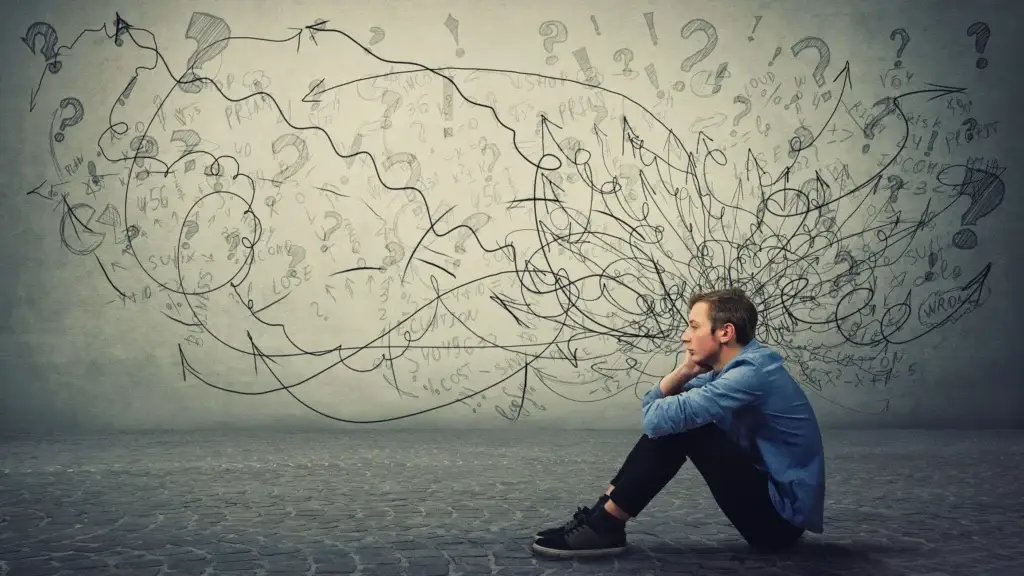
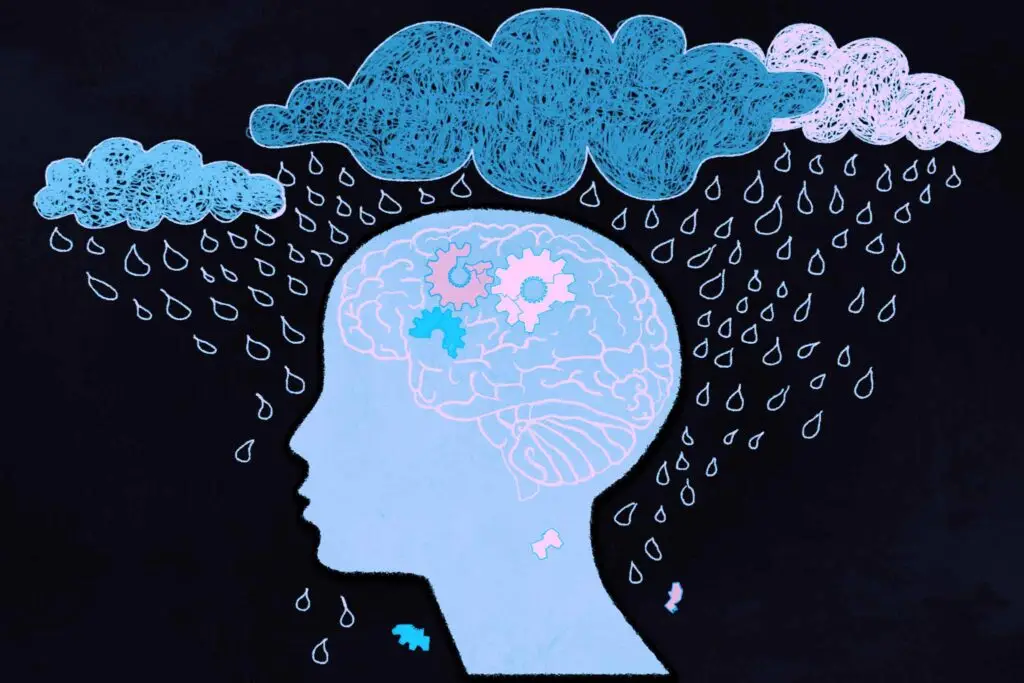
The relationship between depression and substance abuse is one of the most well-documented co-occurring patterns in all of mental health research — and one of the most consistently undertreated. Studies show that people with major depressive disorder are twice as likely to develop a substance use disorder as those without depression. Conversely, people struggling with addiction are significantly more likely to be living with an undiagnosed depressive disorder underneath the substance use. The two conditions do not just co-exist — they feed each other in a cycle that grows harder to break the longer it goes unaddressed.

For someone living with untreated depression the appeal of substances is not difficult to understand. Depression strips away motivation, pleasure, energy, and hope — often all at once. Alcohol slows the relentless internal noise of a depressed mind. Opioids replace the emotional numbness with something that feels, briefly, like warmth and connection. Stimulants like cocaine and methamphetamine restore the energy, confidence, and motivation that depression has completely depleted. Cannabis softens the anxiety that shadows most depressive episodes. In the short term every one of these substances works — which is precisely why they are so difficult to stop using.

But every substance used to manage depression ultimately makes the depression measurably worse. Alcohol is a central nervous system depressant — meaning it deepens the very neurochemical imbalances that drive depression in the first place, particularly serotonin and dopamine dysregulation. Opioids blunt the brain’s natural ability to produce pleasure over time, leaving a person even less capable of feeling joy without the substance than they were before they started. Stimulants produce short-term dopamine surges followed by crashes that push baseline mood lower with each use. The relief is real — but it is borrowed from a future that grows darker with every use.

Then there is what depression does to addiction recovery. Untreated depression is one of the leading drivers of relapse in people who have previously achieved sobriety. When the substance is removed and the depression underneath remains completely untouched, the emotional pain that substances were managing does not disappear — it floods back, often with greater intensity than before. Without clinical treatment for the depression, the pull back toward substances is not a failure of willpower. It is a predictable, clinically documented response to unmanaged pain.

This is why My2Cents Recovery treats depression and substance abuse together — from day one, with one unified clinical team, under one integrated treatment plan. We do not ask you to get sober before we address the depression. We do not treat the depression and consider the addiction someone else’s problem. We understand that the depression is almost always what brought the substances into the picture — and that genuine, lasting recovery requires treating both with equal clinical seriousness, equal compassion, and equal commitment to your long-term wellbeing.

Learn more about other mental health disorders we treat at My2Cents Recovery

What Happens When Depression Goes Untreated: The Real Cost of Waiting

Depression rarely stays the same without treatment — it deepens, expands, and takes more with it the longer it goes unaddressed.

One of the most damaging misconceptions about depression is that it will eventually lift on its own — that if you wait long enough, push through hard enough, or simply find the right distraction, it will pass. For some mild episodes that may be partially true. But for clinical depression — Major Depressive Disorder, Persistent Depressive Disorder, and the other conditions we treat at My2Cents Recovery — waiting is not a neutral choice. Every month of untreated depression is a month the neurological patterns driving it become more entrenched, the coping behaviors become more damaging, and the distance between the person you are and the person you could be grows wider.

Untreated depression does not exist in isolation — it reaches into every corner of a person’s life with a consistency and thoroughness that is difficult to fully appreciate until you have experienced it or watched someone you love live through it. Careers stall or collapse. Relationships erode under the weight of withdrawal, irritability, and emotional unavailability that depression produces. Physical health deteriorates as the motivation to eat well, exercise, and attend to medical needs disappears. And for a significant percentage of people with untreated depression, substances enter the picture — adding addiction to a clinical situation that was already overwhelming.

Perhaps the most urgent consequence of untreated depression is what it does to a person’s belief that things can ever be different. Depression lies. It tells you that this is just who you are, that treatment will not work for you, that you have tried before and failed and trying again is pointless. The longer depression goes untreated, the more convincing those lies become — not because they are true, but because a depressed brain is neurologically less capable of imagining positive outcomes. That is not weakness. That is the biology of the condition. And it is precisely why waiting for motivation to seek help is a strategy that depression itself is designed to defeat.

What Untreated Depression Can Lead To

  • Worsening depressive episodes — each untreated episode increases the likelihood and severity of future episodes

  • Chronic substance dependency as self-medication escalates from occasional relief to daily necessity

  • Complete social withdrawal — isolation that deepens depression and removes the human connection that supports recovery

  • Career loss or chronic underemployment driven by cognitive impairment, absenteeism, and loss of motivation

  • Relationship breakdown — marriages, friendships, and family bonds strained beyond repair by untreated depression

  • Serious physical health consequences — cardiovascular disease, immune system suppression, and chronic pain all linked to long-term depression

  • Suicidal ideation and attempts — depression is the leading cause of suicide worldwide and the risk increases significantly without treatment

  • Treatment resistance — the longer depression goes untreated, the more difficult it can become to treat effectively

  • Complete loss of identity — a person slowly stops recognizing who they were before the depression took hold

depression signs and symptoms

If you or someone you love is experiencing thoughts of self-harm or suicide, please call or text 988 immediately — the Suicide & Crisis Lifeline is available 24 hours a day, 7 days a week. You do not have to be in immediate danger to call — if you are struggling, that is enough.

Not one of these outcomes is inevitable — but every single one becomes significantly more likely the longer depression goes without proper clinical treatment. The encouraging truth is that depression, even severe and long-standing depression, responds to treatment. At My2Cents Recovery our clinical team has worked with people who had been living with untreated depression for decades — and watched them rebuild their lives, their relationships, and their sense of self with the right treatment behind them. It is never too late. And there is no version of your story where trying is the wrong choice.

How My2Cents Recovery Treats Depression & Co-Occurring Substance Abuse

Evidence-based, trauma-informed, and built around your specific diagnosis — not a one-size-fits-all program designed for someone else.

Treating depression effectively requires more than prescribing an antidepressant and scheduling a weekly therapy session — it requires a clinical team that understands the full complexity of the condition, the precision to identify which type of depression you are living with, and the depth to address co-occurring substance use at the same time without letting either condition take a back seat. At My2Cents Recovery that is exactly the standard we hold ourselves to. Our depression treatment program is built on the most rigorously researched evidence-based therapies available — delivered by a clinical team that treats the whole person, not just the diagnosis on the intake form.

Comprehensive Depression & Dual Diagnosis Assessment

Your treatment at My2Cents Recovery begins with a thorough clinical assessment that goes far beyond a standard intake evaluation. Our team identifies your specific depression diagnosis — which of the seven types you are living with, how severe the current episode is, what trauma or life history may be underlying it, how it connects to your substance use, and what has been tried before and why it may not have worked. We review your full mental health history, your physical health, your relationships, and your daily functioning — because depression affects all of it and treating it requires understanding all of it. By the time your assessment is complete, we have a precise clinical blueprint that guides every decision made about your care from that moment forward.

No two people with depression arrive at My2Cents Recovery with the same story — and no two treatment plans look the same. Your plan is built around your specific depression diagnosis, your co-occurring substance use needs, your trauma history, your relationships, and your personal recovery goals. It draws from a combination of the following evidence-based therapies, each selected specifically because the clinical research shows it works for depression and co-occurring addiction:

  • Cognitive Behavioral Therapy (CBT) — the most extensively researched therapy for depression, targeting the distorted thought patterns and negative core beliefs that depression uses to sustain and deepen itself

  • Dialectical Behavior Therapy (DBT) — especially valuable for depression accompanied by emotional dysregulation, self-harm, or suicidal ideation, building the distress tolerance and emotional regulation skills that prevent relapse back into crisis

  • Eye Movement Desensitization and Reprocessing (EMDR) — for depression rooted in trauma, EMDR processes the unresolved traumatic memories that continue to activate the depressive response long after the original events have passed

  • Trauma-Informed Care — woven throughout every level of treatment, ensuring that every interaction with our clinical team honors the trauma history that so frequently underlies chronic depression

  • Medication Management — our psychiatric team evaluates every client individually for antidepressant medication, mood stabilizers, or other psychiatric medications that can provide critical neurochemical support while therapy takes root — with the precision to distinguish between MDD, bipolar depression, and treatment-resistant presentations before any prescription is made

  • Medication-Assisted Treatment (MAT) — for clients with co-occurring substance dependency, MAT reduces cravings and withdrawal symptoms so that the energy and focus needed for depression therapy is not consumed by the physical demands of early recovery

  • Individual Therapy — dedicated one-on-one sessions with a licensed therapist who specializes in depression and understands its complexity at every level

  • Group Therapy — structured peer sessions that rebuild the social connection depression systematically destroys, in a clinically supported environment where every person in the room understands what you are going through

  • Family Therapy — because depression affects every relationship in a person’s life, family therapy rebuilds communication, restores understanding, and repairs the bonds that untreated depression has quietly damaged over time

For clients whose depression has driven substance dependency, treatment begins with medically supervised detox — keeping you physically safe and clinically supported through withdrawal while our mental health team simultaneously begins the work of addressing the depression underneath. We understand that the withdrawal period is one of the highest-risk windows for a depressive crisis — and our team is specifically prepared to provide both the medical support and the mental health support you need during that vulnerable transition simultaneously. As your body stabilizes, therapy deepens. As cognitive distortions are challenged and new coping tools are built, the pull toward substances weakens. By the time you complete your program at My2Cents Recovery you leave with more than sobriety — you leave with a clinically supported, genuinely different relationship with your own mind, a set of evidence-based tools you will use for the rest of your life, and a continuing care plan built to protect everything you have worked for long after your program ends.

Depression treatment is not about becoming someone you are not — it is about removing the condition that has been standing between you and the person you have always been underneath it. At My2Cents Recovery that is the work we do every single day. Whether you are coming to us in the middle of your first major depressive episode or after years of trying to manage this alone, our team is ready to meet you exactly where you are — with the clinical expertise to get the diagnosis right, the evidence-based tools to treat it effectively, and the genuine human commitment to stay with you every step of the way.

6 Frequently Asked Questions About Depression & Treatment

Honest answers to the questions most people search for before they feel ready to ask for help.

FAQ 1: What is the difference between depression and sadness?

Sadness is a natural, temporary emotional response to difficult circumstances — loss, disappointment, or stress — that typically eases as time passes or circumstances change. Clinical depression is a medically recognized condition that persists regardless of external circumstances, often without a clear trigger, and interferes with a person’s ability to function in daily life for weeks, months, or years at a time. Depression affects sleep, appetite, concentration, energy, and the ability to feel pleasure in ways that normal sadness does not. The most important distinction is duration and function — if low mood has been present for more than two weeks and is affecting your ability to work, maintain relationships, or care for yourself, that is not sadness. That is a clinical condition that deserves professional attention.

The most reliable way to know if you have clinical depression is a thorough evaluation by a licensed mental health professional — and that is exactly what our free assessment at My2Cents Recovery provides. That said, the DSM-5 criteria for Major Depressive Disorder require at least five of the following symptoms present for two or more weeks, representing a change from previous functioning: persistent low mood, loss of interest or pleasure, significant appetite or weight changes, sleep disruption, fatigue, feelings of worthlessness or guilt, difficulty concentrating, psychomotor changes, or thoughts of death or suicide. If you are recognizing several of these symptoms in yourself right now — especially if substances have become part of how you manage them — a clinical assessment is the right next step.

Yes — and the research on this connection is consistent and significant. People with major depressive disorder are twice as likely to develop a substance use disorder as people without depression. The mechanism is straightforward — untreated depression produces emotional pain, numbness, fatigue, and hopelessness that substances temporarily relieve with a speed and reliability that nothing else seems to match. Over time that relief becomes dependency. At My2Cents Recovery we see this pattern in the majority of clients who come to us for substance abuse treatment — and our integrated treatment model addresses both the depression and the addiction simultaneously because treating one without the other is one of the most common reasons people relapse after previous treatment attempts.

The most effective treatment for depression combines evidence-based psychotherapy — primarily Cognitive Behavioral Therapy — with psychiatric medication management when clinically indicated, delivered by a team that understands the specific type of depression being treated. CBT has the strongest and most consistent research base of any therapy for depression, directly targeting the distorted thought patterns that sustain and deepen depressive episodes. For depression rooted in trauma, EMDR has shown significant effectiveness. For depression accompanied by emotional dysregulation or suicidal ideation, DBT provides critical stabilization skills. Medication — when prescribed with precision after a thorough psychiatric evaluation — provides neurochemical support that allows therapy to work more effectively. At My2Cents Recovery all of these approaches are available and integrated into a single personalized treatment plan built around your specific diagnosis.

Absolutely — and integrated dual diagnosis treatment is the only model we use. Every client who comes to us with co-occurring depression and substance use disorder receives a unified treatment plan that addresses both conditions simultaneously, with the same clinical team, from the very first day of treatment. We understand that depression is almost always what is driving the substance use — and that removing the substance without treating the depression underneath leaves the root cause completely untouched. Our integrated approach is built on the clinical evidence that simultaneous treatment of co-occurring disorders produces dramatically better long-term recovery outcomes than treating each condition separately — and it is the standard of care every person who walks through our doors deserves.

Depression is highly treatable — and for many people, with the right treatment, depressive episodes can resolve completely and not return. Research shows that approximately 80% of people with major depressive disorder respond positively to treatment when it is properly matched to their specific diagnosis. For some people depression is a single episode that resolves with treatment and never returns. For others it is a recurring condition that requires ongoing management — but management that, with the right tools and clinical support, allows for a full, meaningful, and genuinely joyful life. What matters most is getting the right diagnosis, the right treatment, and the right clinical team behind you. At My2Cents Recovery that is exactly what we provide — and we have watched people who had lived with depression for decades rebuild their lives in ways they never believed were possible.

Depression & Dual Diagnosis Specialists

Licensed Clinical Treatment Team

Evidence-Based Depression Therapy

24/7 Admissions Support

Most Major Insurance Accepted

100% Confidential Assessment

Depression Has Taken Enough — Your Recovery Starts Right Now

You have been carrying this long enough. Let us help you put it down — for good.

If you have read this far, something on this page spoke to something you have been living with — possibly for much longer than anyone around you realizes. The exhaustion that sleep never fixes. The numbness where feeling used to be. The substances that stopped working but became impossible to stop anyway. None of that is your fault. None of it is who you are. And none of it has to be the rest of your story.

At My2Cents Recovery we have worked with people who had been living with untreated depression for five years, for ten years, for their entire adult lives — people who had tried therapy before, tried medication before, tried getting sober before — and who finally found that when depression and addiction are treated together, by a team that understands both, the outcome is different. Not marginally different. Fundamentally, recognizably, life-changingly different. We have watched people who could not get out of bed rebuild careers, repair relationships, and rediscover versions of themselves they thought depression had permanently erased.

Every call we answer comes with the same commitment — no judgment, no pressure, and complete confidentiality. You do not need to be in crisis to reach out. You do not need a referral, a diagnosis, or a plan. You just need to make one decision — that today is the day you let someone who genuinely understands finally help. We will take it from there. And we will stay with you every step of the way.

My2Cents Recovery is a fully confidential treatment facility. All communications are protected under HIPAA. Contacting us does not commit you to any program or obligation.