


12000 Highwater Road, Granada Hills, CA, 91344​

My2Cent's Recovery Program: Complete Overview

Our Residential Addiction Treatment Program in Los Angeles — Intimate, Evidence-Based & Built Around You

A private 6-bed residential program in Granada Hills offering medical detox, residential inpatient treatment, evidence-based clinical therapies, and a personalized aftercare plan for every client who walks through our doors.

Most residential addiction treatment programs in Los Angeles are built for volume — large facilities, rotating staff, and a clinical experience that can feel more institutional than personal. My2Cents Recovery was built for the opposite. Our Granada Hills facility operates at a maximum capacity of 6 clients at one time — a deliberate clinical decision that changes everything about the treatment experience. It means your therapist knows your history before your second session. It means the staff who monitors your medical detox knows your name, your story, and your goals by the end of your first day. It means the six people you go through residential treatment with become a genuine recovery community — not a rotating cast of strangers. From medical detox through residential inpatient through a fully coordinated aftercare plan — every element of this program was designed around the specific person in front of us. That person is you. And everything here is built for you specifically.

Medical Detox & Residential

Two levels of care — fully integrated and clinically coordinated

6-Bed Private Program

Maximum 6 clients — the most personal program in Los Angeles

Outings — Beach, Parks & More

Recovery connected to real life and real joy

Aftercare Plan for Every Client

Every client leaves with a personal, coordinated plan

What Makes My2Cents Recovery Different — A Program Built on Intimacy, Intention & Real Recovery

Six beds. Six clients. Every single staff member knowing every single client by name, by history, and by goal — from the first day of medical detox through the last day of residential and every step of the aftercare plan that follows.

4 Highlights About Our Facility

👥 Maximum 6 Clients
🏠 Private Residential Home
🍽️ All Meals Provided Daily
🌊 Outings Program

The decision to operate at a maximum capacity of 6 clients is the most important clinical decision My2Cents Recovery has ever made — and it shapes every single aspect of the treatment experience that follows. In a program with 6 clients there is no such thing as a generic treatment plan. There is no such thing as a group session where your therapist does not know exactly where you are in your recovery that day. There is no such thing as a medical detox where the nurse on duty is managing so many clients that your comfort and your safety are competing with someone else's. In a 6-bed program every clinical decision — every therapy session, every group, every medication adjustment, every discharge plan — is made with a complete, current, specific understanding of the individual person it affects. That is what makes My2Cents Recovery different from the majority of residential addiction treatment programs in Los Angeles. Not a marketing claim. A mathematical reality.

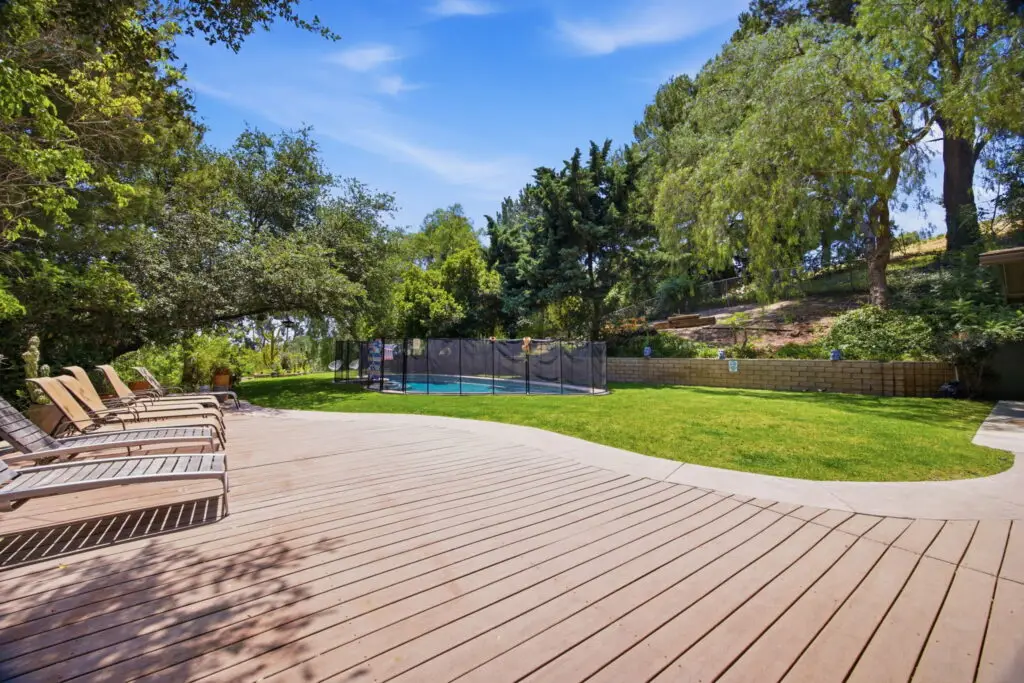
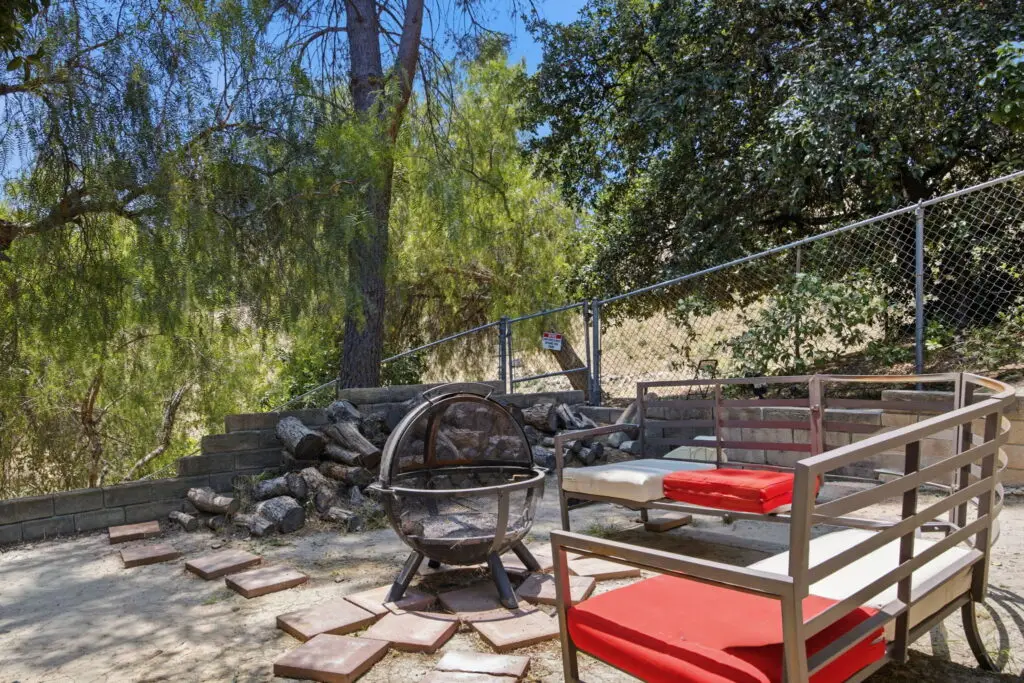
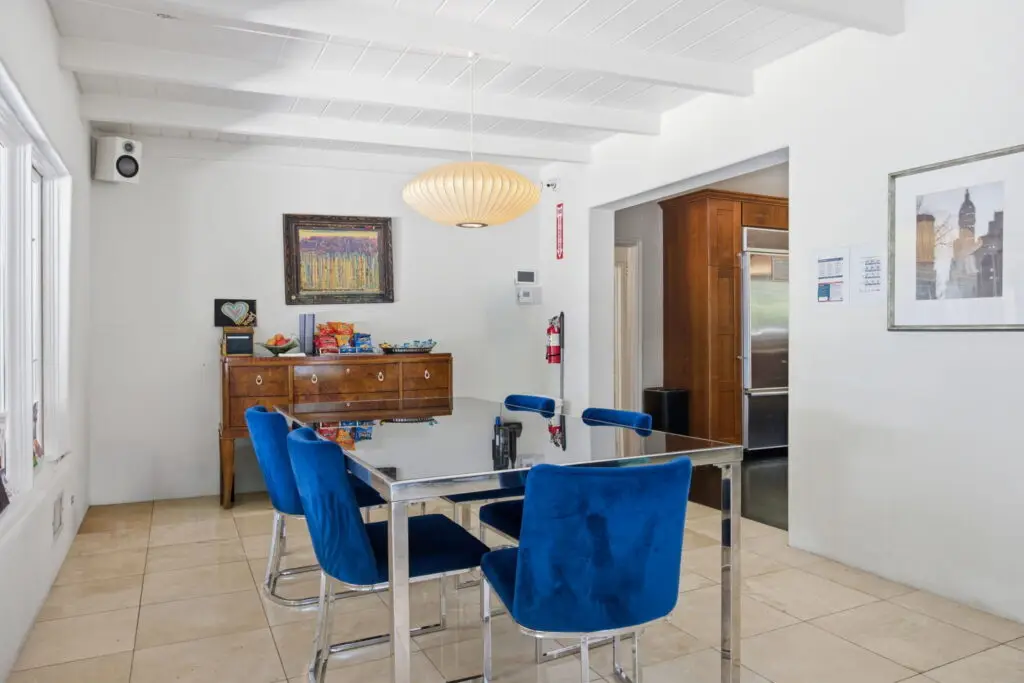
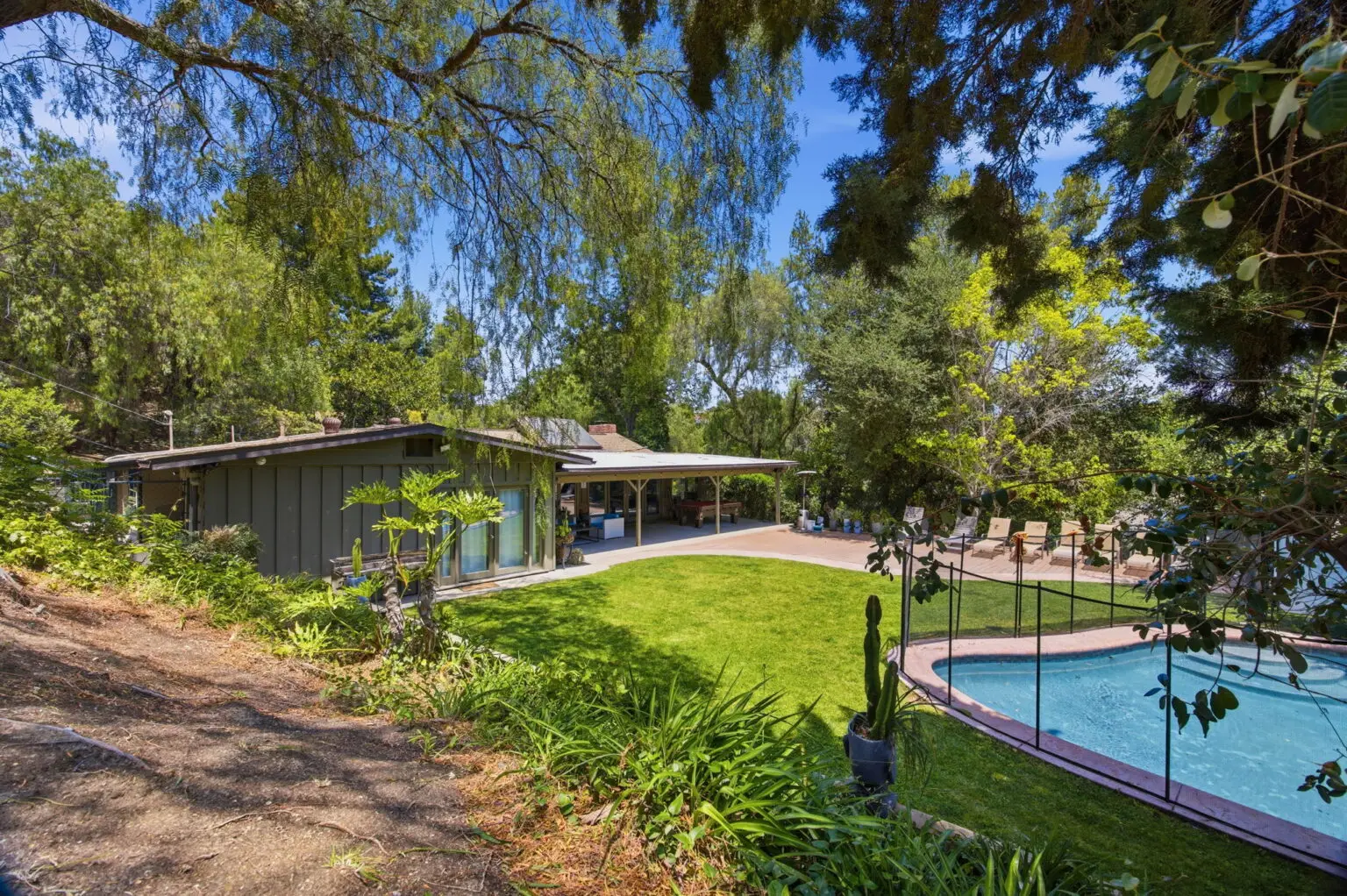
My2Cents Recovery is located in a private residential home in Granada Hills — a quiet neighborhood in the northwestern San Fernando Valley — and the setting itself is part of the treatment. This is not a clinical campus. It is not a converted office building. It is a residential home in a real neighborhood — with a pool, outdoor living space, and the kind of physical environment that communicates dignity and investment to the people living inside it from the moment they arrive. The facility accommodates exactly 6 clients at one time in a co-ed residential setting — creating the conditions for genuine human connection between people going through the same experience together, in a space that feels like a home rather than an institution.

Every meal at My2Cents Recovery is provided — ordered fresh daily — because the experience of being genuinely cared for in every dimension of daily life is not separate from the clinical work of recovery, it is part of it. For many people entering residential addiction treatment the daily rhythm of My2Cents Recovery — waking up in a real home, eating real meals with the people they are recovering alongside, having access to a pool and outdoor space, and participating in a full schedule of clinical programming — is the first genuinely safe and structured daily environment they have experienced in years. That environment does not happen by accident. It is a clinical choice made deliberately and maintained consistently.

One of the most distinctive elements of the My2Cents Recovery program is something no clinical checklist can fully capture — we take our clients out into the world. Beach outings. Theme parks. Community excursions. Real places, with real people, doing real things that have nothing to do with addiction and everything to do with recovery. The clinical intention behind every outing is specific and deliberate — clients who are building genuine friendships with the people in their program need to experience those friendships outside the walls of a residential facility to understand what sober connection actually feels like in the real world. They need to practice the coping mechanisms they are learning in therapy in environments where those mechanisms are actually tested. They need to rediscover — or discover for the first time — that sobriety does not mean the end of joy. It means the beginning of experiencing joy with full presence, full memory, and full genuine connection. That is what our outings program delivers. And it is something no other residential program in Los Angeles does quite like we do.

👥 Maximum 6 Clients

The most intimate staff-to-client ratio in Los Angeles residential addiction treatment — every client is known by every staff member from day one.

🏠 Private Residential Home

A real home in a quiet Granada Hills neighborhood — not a clinical campus — with outdoor space, a pool, and an environment built for dignity and recovery.

🍽️ All Meals Provided Daily

Fresh meals ordered and provided every day throughout the residential stay — because being genuinely cared for in every dimension of daily life is part of the treatment.

🌊 Outings Program

Beach trips, theme parks, and community outings — recovery connected to real joy, real relationships, and real-world coping practice with the people you are recovering alongside.

🔬 Evidence-Based Clinical Program

Individual therapy, group therapy, CBT, DBT, CPT, motivational interviewing, trauma-informed care, family therapy, meditation, and art therapy — a full clinical toolkit delivered by licensed professionals.

🔗 Personalized Aftercare for Every Client

Every client who completes our program leaves with a personally coordinated aftercare plan — sober living placement, IOP referral, and outpatient connection — built specifically for their recovery goals.

Genuine Support

My2Cents Recovery was not built to be the biggest residential addiction treatment program in Los Angeles — it was built to be the best experience for the six people inside it at any given time. If you are looking for a program where you will be known, where your treatment will be built specifically around your history and your goals, and where the experience of recovery will feel human rather than institutional — you are looking at the right program. The next step is finding out whether your insurance covers it — and that answer is free, fast, and available right now.

Levels of Care at My2Cents Recovery — Medical Detox Through Residential Inpatient & Beyond

My2Cents Recovery provides two fully integrated levels of clinical care — medical detox and residential inpatient treatment — with a personally coordinated aftercare plan built for every client before they leave our program.

Levels of Care (LOC)

Overview

Addiction treatment is not a single moment — it is a continuum of care that begins with the physical process of detoxification and extends through residential treatment, aftercare planning, and the long-term recovery support that makes the difference between completing a program and sustaining a life in recovery. At My2Cents Recovery we provide the two most intensive levels of addiction treatment available outside of a hospital setting — medical detox and residential inpatient care — and we personally coordinate the transition into every phase of care that follows. No client moves through our program without a clinical team that understands exactly where they are, where they are going, and what they need to get there.

Medical Detox — Safe, Supervised & Clinically Managed
Substances Commonly Requiring Medical Detox:
Residential Inpatient Treatment — Full Clinical Programming in a Private Home Setting
What Medical Detox at My2Cents Recovery Includes:
What Residential Inpatient at My2Cents Recovery Includes:

Medical Detox — Safe, Supervised & Clinically Managed

Medical detoxification is the first and most physically demanding phase of addiction treatment — and it is the phase where clinical supervision is most critical. When the body has become physically dependent on alcohol, opioids, benzodiazepines, or other substances, the process of clearing those substances from the system produces withdrawal symptoms that range from deeply uncomfortable to medically dangerous. At My2Cents Recovery medical detox is conducted under continuous clinical supervision with medical oversight, comfort-focused medication management where indicated, and the 24-hour monitoring that the detox process requires.

Substances Commonly Requiring Medical Detox:

  • Alcohol — medically supervised detox is strongly recommended and in some cases medically necessary
  • Opioids — including heroin, fentanyl, oxycodone, hydrocodone, and other opioid medications
  • Benzodiazepines — including Xanax, Valium, Klonopin, and Ativan — benzo detox requires careful medical management
  • Methamphetamine and stimulants — psychiatric monitoring during stimulant detox
  • Prescription medications — any substance with physical dependence component

Residential Inpatient Treatment — Full Clinical Programming in a Private Home Setting

Residential inpatient treatment is the level of care that begins when medical detox is complete and the real clinical work of recovery begins. With the physical dependence addressed and medical stability established, residential treatment focuses on the psychological, behavioral, emotional, and relational dimensions of addiction — the reasons behind the substance use, the patterns that sustained it, the trauma that preceded it, and the skills, relationships, and identity that will sustain recovery after treatment ends. At My2Cents Recovery residential inpatient treatment takes place in a private 6-bed home in Granada Hills — a setting that supports the depth of clinical work residential treatment requires while providing the human environment that makes that work possible.

What Medical Detox at My2Cents Recovery Includes:

  • Continuous clinical monitoring throughout the detox process
  • Medical oversight and physician-directed medication management
  • Comfort-focused withdrawal symptom management
  • Nutritional support and hydration throughout detox
  • Psychiatric evaluation where co-occurring mental health conditions are present
  • Daily clinical assessment of detox progress and medical stability
  • Transition planning to residential inpatient from day one of detox

Most major PPO insurance plans authorize 5 to 7 days of medically supervised detox at the residential level of care. The exact authorization length depends on your specific plan, your substance use history, and your clinical presentation during detox. Our billing team confirms your exact detox authorization as part of your free insurance verification — and our clinical team advocates for every day of detox coverage your medical situation requires.

What Residential Inpatient at My2Cents Recovery Includes:

  • Individual therapy sessions with a licensed clinical therapist
  • Daily clinical group therapy sessions
  • Evidence-based therapeutic modalities — CBT, DBT, CPT, and Motivational Interviewing
  • Trauma-informed clinical care throughout the residential episode
  • Family therapy where clinically indicated and family is available
  • Psychiatric evaluation and medication management for co-occurring conditions
  • Art therapy and meditation as integrative clinical tools
  • Evening NA/AA and recovery-based community meetings
  • Weekend and community outings — beach, theme parks, real-world recovery experiences
  • All meals provided daily fresh, ordered food throughout the residential stay
  • Pool and outdoor space available for recreation and recovery
  • Aftercare planning initiated from the first week of residential treatment

Most major PPO insurance plans authorize a combined residential treatment episode — detox plus residential inpatient — averaging 30 to 40 days total. The residential inpatient portion following detox typically runs 23 to 33 days under most PPO authorizations, with the possibility of extended authorization based on clinical necessity. The standard program length at My2Cents Recovery is 30 days — though every client's length of stay is determined by their clinical needs, their progress in treatment, and their insurance authorization. Our clinical team advocates for every additional day of coverage that is clinically supported — because length of treatment is one of the strongest predictors of long-term recovery outcomes. One worry all of our clients never need to have is being thrown out, we take all necessary steps to prepare our clients for a safe, and smart transfer to the next phase.

One Program, One Stop

At My2Cents Recovery medical detox and residential inpatient treatment are not two separate programs with a handoff between them — they are two phases of a single, continuous clinical episode managed by the same team in the same facility. From the moment a client begins medical detox our clinical team is already building the residential treatment plan that will follow — identifying therapeutic priorities, assessing co-occurring mental health conditions, beginning to understand the client's specific history and goals, and laying the clinical foundation for the residential work ahead. When the detox phase is complete there is no disruption, no new intake process, no unfamiliar faces, and no gap in care. The client moves from detox into residential treatment within the same home, with the same team, with full clinical continuity. That seamless transition is a clinical advantage that our 6-bed program makes possible in a way that larger, multi-facility programs simply cannot replicate.

🔗 Every Client Leaves With a Personal Aftercare Plan

Completing residential treatment is not the end of My2Cents Recovery's clinical responsibility — it is the beginning of the next phase of it. Aftercare planning at My2Cents Recovery begins during the first week of residential treatment — not the last. Our case management team works with every client throughout their residential episode to identify, evaluate, and personally coordinate the sober living placement, IOP referral, and outpatient therapy connection that best matches their clinical needs, their recovery goals, and their life circumstances. When a client walks out of our program they do not walk out with a list of phone numbers and a wish of good luck. They walk out with a specific plan, a confirmed placement, and a clinical team that has already communicated with whoever is receiving them next. The continuum of care does not end at our front door. It extends through every phase of the recovery journey that follows.

entering the world again

Evidence-Based Clinical Therapies at My2Cents Recovery — A Complete Treatment Approach for Addiction & Co-Occurring Conditions

Our clinical program combines the most effective evidence-based therapeutic modalities in addiction treatment with integrative holistic therapies — delivering a complete, personalized treatment approach that addresses every dimension of addiction and recovery.

Addiction is not a single problem with a single solution — it is a complex condition with physical, psychological, emotional, behavioral, and relational dimensions that each require a specific clinical response. The therapeutic program at My2Cents Recovery was built around that clinical reality. Every modality offered in our program was selected because the research supports its effectiveness for addiction treatment, co-occurring mental health conditions, or both — and because the combination of modalities creates a treatment experience that is more complete than any single approach could deliver alone. From the structured cognitive work of CBT to the emotional regulation tools of DBT to the trauma processing of CPT to the genuine human expression of art therapy — every therapy in our program has a specific clinical purpose, and every client’s treatment plan draws from the full toolkit based on what their individual clinical needs require.

Individual Therapy

Individual therapy is the clinical core of every client's treatment plan at My2Cents Recovery — the one-on-one therapeutic relationship between a licensed clinical therapist and the client that makes all other treatment possible. Sessions are conducted weekly at minimum with frequency adjusted upward based on clinical need and acuity. Individual therapy at My2Cents Recovery is where the specific history, trauma, behavioral patterns, and goals of each client are explored in depth — the work that cannot happen in a group setting and that forms the foundation of every other clinical intervention the client receives. In a 6-bed program where every therapist knows every client deeply, individual therapy has a quality and continuity that larger programs with higher caseloads cannot consistently match.

Best for: Processing personal history and trauma, identifying root causes of substance use, building therapeutic alliance, addressing co-occurring mental health conditions, setting individualized recovery goals

Individual therapy
Group Therapy

Group therapy is the daily clinical heartbeat of the My2Cents Recovery residential program — structured therapeutic sessions facilitated by a licensed clinician with the clients currently in the program. In a 6-bed program group therapy has a depth and intimacy that larger group settings fundamentally cannot replicate. When six people who have been living together, eating together, and going through medical detox and residential treatment together sit in a group therapy session — the level of trust, honesty, and therapeutic connection that emerges is qualitatively different from a group of twenty strangers in a large facility. Group therapy at My2Cents Recovery covers psycho-education, process work, skill building, peer feedback, and the shared human experience of recovery — delivered daily throughout the residential episode.

Best for: Peer connection and accountability, reducing isolation and shame, building communication skills, practicing vulnerability in a safe environment, developing the social foundation of long-term recovery

group therapy
Cognitive Behavioral Therapy — CBT

Cognitive Behavioral Therapy is one of the most extensively researched and clinically validated psychotherapeutic approaches in the field of addiction treatment — and it is a foundational modality in the My2Cents Recovery clinical program. CBT operates on the evidence-based principle that thoughts, feelings, and behaviors are interconnected — and that identifying and restructuring the automatic negative thought patterns and maladaptive behavioral responses that drive substance use creates the cognitive foundation for sustained recovery. In addiction treatment specifically CBT equips clients with the ability to recognize their personal triggers, interrupt the thought-to-behavior chain before it leads to use, and build a sustainable repertoire of cognitive and behavioral coping strategies that function in the real world — not just inside a treatment facility.

Best for: Identifying addiction triggers and high-risk situations, restructuring negative thought patterns, developing relapse prevention strategies, treating co-occurring depression and anxiety, building practical coping skills

8752a008-0e2c-46e1-8871-cd998c55078c
Dialectical Behavior Therapy — DBT

Dialectical Behavior Therapy was originally developed for individuals with borderline personality disorder and intense emotional dysregulation — and its effectiveness for addiction treatment and co-occurring mental health conditions has made it one of the most important therapeutic modalities in the residential treatment setting. DBT teaches four core skill sets — mindfulness, distress tolerance, emotional regulation, and interpersonal effectiveness — that are directly and immediately applicable to the challenges of addiction recovery. For clients whose substance use has been driven by emotional pain, interpersonal conflict, impulsivity, or the inability to tolerate distress without using — DBT provides a specific, structured, skills-based clinical response that CBT alone does not fully address.

Best for: Emotional dysregulation and impulsivity, co-occurring BPD, self-destructive behavioral patterns, interpersonal conflict and relationship patterns, distress tolerance and crisis survival skills

dbt therapy
Cognitive Processing Therapy — CPT

Cognitive Processing Therapy is an evidence-based trauma treatment protocol specifically designed to address the cognitive distortions — the stuck points — that trauma creates and that often drive or sustain addiction. CPT helps clients identify the ways traumatic experiences have shaped their beliefs about themselves, other people, and the world — beliefs like "I am permanently damaged," "I cannot be safe," or "I deserved what happened to me" — and systematically challenges and restructures those beliefs through a structured therapeutic process. For the significant percentage of clients in residential addiction treatment whose substance use is directly connected to unprocessed trauma, CPT provides a targeted clinical intervention that addresses the trauma driving the addiction rather than treating the addiction in isolation from its roots.

Best for: Trauma-driven addiction, PTSD and complex trauma, negative core beliefs about self and safety, processing specific traumatic events, addressing the trauma-addiction cycle directly

cpt
Motivational Interviewing — MI

Motivational Interviewing is a collaborative, evidence-based clinical conversation technique that meets clients exactly where they are in their readiness to change — without judgment, without pressure, and without the confrontational approach that research has consistently shown to be counterproductive in addiction treatment. MI helps clients explore and resolve their own ambivalence about recovery — the part of them that knows they need to change and the part of them that is afraid to, or that is not fully convinced that change is possible. By drawing out the client's own reasons for recovery, their own values, and their own vision for their life without addiction, MI builds intrinsic motivation that is far more durable than externally imposed pressure. In a 6-bed program where every clinician knows every client deeply, MI is not a technique — it is the relational foundation of every clinical conversation.

Best for: Ambivalence about treatment and recovery, low intrinsic motivation, clients in early stages of change, building internal commitment to recovery goals, therapeutic engagement and alliance building

Learn more
Individual therapy
group therapy
8752a008-0e2c-46e1-8871-cd998c55078c
dbt therapy
cpt

Motivational Interviewing — MI

Motivational Interviewing is a collaborative, evidence-based clinical conversation technique that meets clients exactly where they are in their readiness to change — without judgment, without pressure, and without the confrontational approach that research has consistently shown to be counterproductive in addiction treatment. MI helps clients explore and resolve their own ambivalence about recovery — the part of them that knows they need to change and the part of them that is afraid to, or that is not fully convinced that change is possible. By drawing out the client's own reasons for recovery, their own values, and their own vision for their life without addiction, MI builds intrinsic motivation that is far more durable than externally imposed pressure. In a 6-bed program where every clinician knows every client deeply, MI is not a technique — it is the relational foundation of every clinical conversation.

Best for: Ambivalence about treatment and recovery, low intrinsic motivation, clients in early stages of change, building internal commitment to recovery goals, therapeutic engagement and alliance building

Trauma-Informed Care

Trauma-informed care is not a single therapy — it is a clinical framework that shapes every interaction, every session, every group, and every clinical decision at My2Cents Recovery. A trauma-informed approach means that every member of our clinical and support staff understands the pervasive impact of trauma on the brain, the body, and behavior — and applies that understanding to create a treatment environment where clients feel safe, respected, and in control of their own healing process. It means that no clinical intervention is delivered without awareness of how trauma history may shape a client's response to it. It means that safety, trustworthiness, choice, collaboration, and empowerment are not aspirational values — they are operational standards that govern everything that happens inside our program

Best for: All clients — trauma-informed care is the baseline clinical standard for every person in our program regardless of whether trauma is the presenting concern

Trauma-Informed-Care

Family Therapy

Addiction does not happen in isolation — it happens inside families, relationships, and relational systems that are profoundly affected by the disease and that profoundly affect the recovery. Family therapy at My2Cents Recovery brings the family system into the clinical process where it is therapeutically indicated — addressing the relational dynamics, communication patterns, enabling behaviors, and family-system trauma that have developed around the addiction, and building the relational foundation that supports long-term recovery after residential treatment ends. Family members who understand addiction as a disease, who have processed their own experience of living with it, and who have developed new communication and relational tools alongside their loved one are among the most powerful protective factors in sustained recovery.

Best for: Broken family communication and trust, codependency and enabling patterns, family members who need their own clinical support, rebuilding relationships damaged by addiction, creating a recovery-supportive home environment

Meditation

Meditation is integrated throughout the My2Cents Recovery clinical program as both a therapeutic practice and a practical recovery skill — one that clients can take directly from our program into their daily life in recovery. The evidence base for meditation in addiction treatment is substantial and growing — regular meditation practice has been shown to reduce cravings, decrease stress reactivity, improve emotional regulation, strengthen the prefrontal cortex functioning that addiction impairs, and build the capacity for present-moment awareness that is foundational to relapse prevention. In a residential setting where clients are removed from their daily stressors and focused entirely on their recovery, the conditions for establishing a genuine meditation practice are optimal — and the practice built during residential treatment becomes a daily tool that continues to serve recovery long after discharge.

Best for: Stress and anxiety management, craving reduction, emotional regulation, sleep quality, present-moment awareness and mindfulness as daily recovery practice

Art Therapy

Art therapy is one of the most powerful therapeutic modalities in the residential addiction treatment setting precisely because it bypasses the verbal and cognitive defenses that clients often bring to traditional talk therapy — particularly in early recovery when those defenses are most active. Facilitated by a clinical art therapist, art therapy at My2Cents Recovery provides clients with a non-verbal therapeutic medium for expressing, processing, and communicating experiences, emotions, and internal states that words alone cannot always reach. For clients with trauma histories — for whom verbal processing of traumatic material can feel unsafe or impossible — art therapy provides a gentler, body-based clinical entry point. For clients who struggle with emotional expression — for whom the instruction to talk about their feelings produces shutdown rather than disclosure — art creates a pathway where language does not.

Best for: Non-verbal trauma processing, emotional expression for clients who struggle with verbal therapy, early recovery when cognitive defenses are high, body-based processing, building self-awareness through creative expression

No single therapy cures addiction — and no single therapy was ever designed to. The clinical program at My2Cents Recovery works because every modality in it is addressing a different dimension of the same condition — and because the 6-bed program structure means every client’s treatment plan draws from the full toolkit based on specific, current, deeply informed clinical assessment rather than a standardized protocol applied uniformly to everyone who walks through the door. The goal of every therapy, every group, every individual session, and every clinical decision at My2Cents Recovery is the same — to send every client home with the insight, the skills, the relationships, and the plan they need to sustain real recovery in the real world.

Daily Life at My2Cents Recovery — What Recovery Actually Looks Like Inside Our Program

From morning groups and individual therapy to evening NA/AA meetings, beach outings, and theme park trips — daily life at My2Cents Recovery is structured, clinically purposeful, and more human than anything a large institutional program can offer.

One of the most common questions prospective clients and their families ask before entering residential treatment is the simplest one — what does a day actually look like? It is a fair question and an important one — because the daily environment of a residential program is not just the backdrop for the clinical work, it is part of the clinical work itself. The rhythm of the day, the quality of the meals, the relationships built with the people you are recovering alongside, the experience of leaving the facility for a real outing and discovering that sobriety feels like freedom rather than confinement — all of it is treatment. At My2Cents Recovery we designed the daily experience of residential treatment with the same intentionality we brought to every clinical decision in the program. What follows is an honest picture of what a day inside our program looks like.

Morning
Daytime
Evening

Breakfast & Morning Groups

The day at My2Cents Recovery begins with breakfast — a real meal, provided fresh, eaten together with the other clients in the program. Morning groups follow breakfast — structured clinical group sessions that set the therapeutic tone for the day, introduce the clinical focus of the morning, and give every client the opportunity to check in with where they are emotionally and clinically before the individual work of the day begins. The morning group is not a formality. In a 6-bed program where every person at the table knows every other person's name and story, the morning group is one of the most therapeutically productive hours of the entire day.

Individual Therapy, Group Sessions & Clinical Programming

The daytime hours at My2Cents Recovery are built around clinical programming — individual therapy sessions, additional group therapy, psychoeducational programming, therapeutic modality sessions including CBT, DBT, CPT, art therapy, and meditation, and the clinical check-ins and case management meetings that keep every client's treatment plan current and responsive to their progress. Meals are provided throughout the day — lunch and snacks — because the nutritional and physical care of every client is taken as seriously as their clinical care. Individual therapy sessions are scheduled weekly at minimum with frequency increased based on clinical need — and in a 6-bed program the scheduling flexibility to respond to a client's acute clinical need with an additional individual session that day is a real operational capability, not an aspirational one.

NA/AA & Recovery-Based Community Meetings

Once a client has completed their medical detox phase and transitioned into residential inpatient treatment, evenings at My2Cents Recovery include attendance at Narcotics Anonymous, Alcoholics Anonymous, and other recovery-based community meetings in the greater Los Angeles area. This is one of the most clinically important elements of the daily program — and one of the most frequently underestimated. The 12-step and recovery community that a client builds during their residential treatment episode does not disappear when residential treatment ends. The sponsor connections, the home group relationships, and the lived experience of attending meetings as a community with the people they are recovering alongside — these become the social and spiritual infrastructure of long-term recovery. Building that community during residential treatment rather than hoping the client builds it afterward is a clinical decision that meaningfully improves long-term recovery outcomes.

Every meal at My2Cents Recovery is provided — ordered fresh daily throughout the entire residential stay. Breakfast begins the day. Lunch is provided midday. Snacks are available throughout the day. Dinner is provided in the evening. For clients who arrive at My2Cents Recovery having neglected their nutritional health for months or years — as is common in active addiction — the simple daily experience of regular, fresh, prepared meals is both a physical restoration and an emotional one. Being fed well, consistently, without having to think about it, is a form of care that communicates something important to every person in the program — that every dimension of their wellbeing matters here, not just the clinical dimensions.

The My2Cents Recovery facility in Granada Hills includes outdoor living space and a pool — available to clients throughout the residential stay as part of the daily life of the program. Access to outdoor space and physical activity during residential treatment is a clinical support, not a luxury. Sunlight, movement, fresh air, and the ability to decompress in a physical space that is not a therapy room or a clinical group — these are genuine supports for the neurological and emotional recovery process. The pool and outdoor space at My2Cents Recovery give clients a place to breathe, to connect informally with the people they are recovering alongside, and to begin re-experiencing the simple physical pleasures of a body that is no longer being damaged by active addiction.

My2Cents Recovery Outings Program — Recovery Connected to Real Life & Real Joy

Beach trips. Theme park outings. Community excursions. Because recovery is not about learning to survive the world without substances — it is about learning to genuinely live in it.

The Philosophy
What the Outings Look Like
The Clinical Purpose

The Philosophy

My2Cents Recovery outings program is built on a clinical conviction that most residential programs never fully act on — that recovery has to be connected to real life before a client leaves treatment, or it will struggle to survive contact with real life after they do. Coping skills learned exclusively inside a residential facility have only been tested inside a residential facility. Friendships built exclusively within the walls of a treatment center have only been tested within the walls of a treatment center. The connection between sobriety and joy — the visceral, felt experience that a life without substances can be genuinely fun, genuinely free, and genuinely worth living — can be talked about in therapy endlessly, but it has to be experienced to become real. Our outings program exists to create those experiences while the clinical support structure of the residential program is still fully in place.

What the Outings Look Like

Our clients go to the beach. They feel the water, the sun, the salt air — together, sober, fully present in a way that active addiction made impossible. They go to theme parks — Six Flags, Universal Studios, the kinds of places that most people associate with pure uncomplicated joy — and they discover that uncomplicated joy is exactly what sobriety feels like when the noise of addiction is gone. They go on community outings — restaurants, parks, local events — the ordinary daily experiences of a life in Los Angeles that addiction had made inaccessible, unenjoyable, or simply absent. Every outing is supervised and clinically intentional. Every outing is structured to give clients the opportunity to practice the coping mechanisms they are building in therapy in a real environment where those mechanisms are genuinely tested. And every outing is an experience that the six people in the program share together — deepening the genuine friendships and recovery community connections that are among the most powerful predictors of long-term sobriety.

The Clinical Purpose

The clinical purpose of every outing is specific and deliberate — and it goes beyond the obvious benefit of giving clients a break from the intensity of residential treatment. When a client at My2Cents Recovery goes to the beach with the five other people they have been living with and recovering alongside — and they feel genuine joy, genuine laughter, genuine connection — something clinically significant happens. The brain that addiction has trained to associate pleasure exclusively with substance use begins to form new associations. Sobriety becomes connected in lived, embodied memory to the feeling of sun on skin, to the sound of the ocean, to laughing with people who know exactly what you have been through and are going through it with you. Those memories do not disappear when residential treatment ends. They become part of the neural and emotional architecture of recovery — evidence the brain itself can access when the pull of the old associations returns. That is what our outings program delivers. And that is why no other residential program in Los Angeles does quite what we do.

Beach Outings

Sun, water, and the first experience of genuine sober joy for many of our clients — building memories that recovery is connected to freedom, not loss

Theme Park Outings

Six Flags, Universal Studios, and more — rediscovering that pure, uncomplicated fun is exactly what sobriety feels like

Community Outings

Restaurants, parks, and Los Angeles — practicing coping mechanisms in real environments while still inside the clinical support structure of the program

The friendships that form during the My2Cents Recovery outings program are not a side effect of treatment — they are a clinical outcome. Six people who have been to the beach together, laughed together at a theme park, and supported each other through the hardest days of their lives inside a residential program are not strangers who attended the same treatment facility. They are a recovery community — and that community is one of the most durable protective factors against relapse that addiction treatment research has ever identified. We build it deliberately. We build it starting on the first day. And we build it outside the walls as much as inside them.

Conditions We Treat at My2Cents Recovery — Substance Use Disorders & Co-Occurring Mental Health Conditions

My2Cents Recovery provides residential addiction treatment for all substance use disorders and co-occurring mental health conditions — in a private, confidential, clinically supervised program where every client’s personal health information is fully protected under HIPAA.

Addiction rarely arrives alone. For the majority of people who enter residential addiction treatment, substance use disorder exists alongside at least one co-occurring mental health condition — depression, anxiety, trauma, PTSD, BPD, or others — and the relationship between the addiction and the mental health condition is not incidental. They feed each other. They reinforce each other. And treating one without treating the other produces outcomes that neither the client nor their family nor their clinical team find acceptable. At My2Cents Recovery we treat the whole person — every substance use disorder, every co-occurring mental health condition, and every dimension of the dual diagnosis picture — in a single integrated residential program with a clinical team that understands the full complexity of what each client brings through our doors.

Substance Use Disorders We Treat

🍺 Alcohol Use Disorder

Alcohol use disorder is the most prevalent substance use disorder in the United States and one of the most medically serious — alcohol withdrawal can be life-threatening without proper medical supervision. My2Cents Recovery provides medically supervised alcohol detox followed by a full residential treatment episode addressing the physical, psychological, behavioral, and relational dimensions of alcohol use disorder. From the physiological dependence addressed in detox to the cognitive and emotional patterns addressed in residential treatment — our program treats alcohol use disorder as the serious, complex clinical condition it is.

💊 Opioid Addiction

Opioid addiction — including addiction to heroin, fentanyl, oxycodone, hydrocodone, and other opioid medications — carries among the highest rates of overdose mortality of any substance use disorder and requires medically supervised detoxification followed by comprehensive residential treatment addressing the powerful psychological and behavioral dimensions of opioid dependence. My2Cents Recovery provides the full clinical continuum for opioid addiction — medically supervised detox with comfort-focused withdrawal management, followed by residential inpatient treatment with evidence-based therapeutic programming and a personally coordinated aftercare plan.

⚡ Methamphetamine Addiction

Methamphetamine addiction produces profound neurological, psychological, and behavioral changes that require sustained residential treatment to address. The post-acute withdrawal syndrome associated with meth addiction — the prolonged period of depression, anhedonia, cognitive impairment, and sleep disruption that follows acute detox — makes the residential treatment environment particularly critical for meth addiction recovery. My2Cents Recovery's clinical program addresses the specific neurological and psychological profile of methamphetamine addiction with evidence-based therapeutic programming, psychiatric monitoring, and the structured daily environment that early meth recovery requires.

🌿 Cocaine & Stimulant Addiction

Cocaine, crack cocaine, and other stimulant addictions produce intense psychological dependence, significant mood dysregulation, and co-occurring mental health symptoms that respond well to the structured residential treatment environment and evidence-based clinical programming at My2Cents Recovery. The crash phase following stimulant use — characterized by depression, exhaustion, and powerful cravings — is one of the most clinically challenging periods of stimulant addiction recovery and one where the continuous clinical support of a residential program makes the most significant difference.

💊 Benzodiazepine Addiction

Benzodiazepine addiction — including addiction to Xanax, Valium, Klonopin, Ativan, and other prescribed and non-prescribed benzodiazepines — requires one of the most medically careful detoxification processes in addiction medicine. Benzo withdrawal can be life-threatening without proper medical management and should never be attempted without clinical supervision. My2Cents Recovery provides physician-directed benzodiazepine detox with careful medical oversight, comfort-focused symptom management, and the clinical monitoring that benzo withdrawal requires — followed by comprehensive residential treatment addressing the anxiety, insomnia, and psychological dependence dimensions of benzodiazepine addiction.

💉 Prescription Drug Addiction

Prescription drug addiction — including addiction to opioid pain medications, benzodiazepines, stimulant medications, and sleep aids — is among the most common and most clinically complex presentations in residential addiction treatment. Many clients arrive at My2Cents Recovery with prescription drug addictions that began with legitimate medical treatment — which adds a layer of clinical complexity, legal and medical history, and psychological difficulty to the treatment picture that our clinical team is experienced navigating. Whatever the origin of the prescription drug dependence, My2Cents Recovery provides medically supervised detox and comprehensive residential treatment built around the specific clinical profile of each client.

Co-Occurring Mental Health Conditions We Treat

Co-Occurring Depression

Depression and addiction co-occur at extraordinarily high rates — each condition worsening the other in a clinical cycle that neither medication alone nor addiction treatment alone reliably breaks. My2Cents Recovery's integrated dual diagnosis program treats co-occurring depression and addiction simultaneously — addressing the neurochemical, psychological, behavioral, and relational dimensions of both conditions within a single residential treatment episode. Psychiatric evaluation, medication management where indicated, CBT, DBT, and trauma-informed care are all brought to bear on the depression-addiction cycle for every client where it is clinically present.

Learn more
depression
Co-Occurring Anxiety

Anxiety disorders — including generalized anxiety disorder, social anxiety, panic disorder, and OCD — are among the most common co-occurring conditions in addiction treatment, frequently driving substance use as self-medication and frequently intensified by the substance use itself. My2Cents Recovery treats co-occurring anxiety and addiction with an integrated clinical approach that addresses both conditions simultaneously — using CBT, DBT, motivational interviewing, meditation, and trauma-informed care to build the anxiety management skills that make sustained recovery possible without the crutch of substances.

Learn more
residential addiction treatment effectively treats co occuring anxiety disorders
Co-Occurring PTSD & Trauma

Post-traumatic stress disorder and unresolved trauma are among the most clinically significant drivers of addiction — and among the most undertreated co-occurring conditions in residential treatment programs that lack specific trauma-focused clinical protocols. My2Cents Recovery's clinical program includes Cognitive Processing Therapy, trauma-informed care as an operational clinical framework, and individual therapy specifically structured to address the trauma-addiction cycle. PTSD and trauma do not have to be resolved before recovery can begin — but they have to be in the clinical picture from day one for recovery to have its best chance of lasting.

Learn more
PTSD Signs and Symptoms #7
Co-Occurring BPD

Borderline personality disorder and addiction co-occur at rates that make BPD one of the most important co-occurring conditions for a residential addiction treatment program to be clinically equipped to treat. The emotional dysregulation, impulsivity, interpersonal instability, and self-destructive behavioral patterns that characterize BPD create a clinical profile where substance use is frequently both a symptom and a coping mechanism. My2Cents Recovery's clinical program includes DBT — the evidence-based therapeutic modality developed specifically for BPD — as a core component of treatment for every client where BPD or significant borderline features are present.

Learn more
borderline personality disorder treatment
depression
residential addiction treatment effectively treats co occuring anxiety disorders
PTSD Signs and Symptoms #7
borderline personality disorder treatment

Dual Diagnosis Treatment — Addiction & Mental Health Treated Together

Dual diagnosis — the clinical term for the co-occurrence of a substance use disorder and a mental health condition — is not a complication of addiction treatment at My2Cents Recovery. It is the norm. The majority of clients who enter our program present with at least one co-occurring mental health condition alongside their substance use disorder — and our clinical program is built from the ground up to treat both simultaneously rather than treating one and hoping the other resolves on its own. Integrated dual diagnosis treatment means that the psychiatrist evaluating a client’s depression in week one is communicating with the therapist delivering CBT in week two — and that the treatment plan governing every clinical decision reflects the full diagnostic picture, not just the addiction component. At My2Cents Recovery dual diagnosis is not a specialty track. It is the standard of care.

A Program That Welcomes Everyone

My2Cents Recovery does not designate specialty tracks or separate programs for specific populations — but our clinical team has extensive experience providing residential addiction treatment to clients from every walk of life, every background, and every identity. We have worked with veterans navigating the specific intersection of military trauma, substance use, and the cultural barriers to seeking treatment that military service can create. We have worked with professionals — attorneys, physicians, executives, and business owners — for whom the privacy and intimacy of a 6-bed program is not a preference but a clinical and professional necessity. We have worked with LGBTQ+ clients who need a treatment environment that affirms their identity as a given rather than treating it as a variable. We have worked with young adults for whom residential addiction treatment is the first serious clinical intervention of their lives and who need a program environment that meets them where they actually are. Whatever your background, whatever your history, whatever your identity — My2Cents Recovery is built for you. The door is open. The clinical team is ready. And the six beds in our program have held people from every corner of the human experience.

Aftercare & Continuum of Care — What Happens After Residential Treatment at My2Cents Recovery

Every adult who completes residential treatment at My2Cents Recovery leaves with a personally coordinated aftercare plan — sober living placement, IOP referral, outpatient therapy connection, and a recovery community already built — because what happens after residential treatment is just as important as what happens inside it.

The most vulnerable moment in an adult’s recovery journey is not the first day of detox — it is the day they walk out of residential treatment. The clinical research on addiction recovery is unambiguous on this point — the transition out of a structured residential environment and back into the pressures, triggers, relationships, and daily stressors of real life is the period of highest relapse risk in the entire recovery continuum. It is the moment when the skills, the insights, the relationships, and the plan built during residential treatment are tested for the first time without the continuous clinical support structure that residential treatment provides. At My2Cents Recovery we treat that transition as a clinical responsibility — not a discharge event. Aftercare planning begins during the first week of residential treatment, not the last. And it does not end when a client walks out our front door.

Why Aftercare Is the Most Critical Phase of Adult Addiction Recovery

Stat Source Context
Adults who engage in structured aftercare following residential treatment have significantly higher long-term sobriety rates than those who discharge without a continuing care plan SAMHSA — Substance Abuse and Mental Health Services Administration
The first 90 days following discharge from residential treatment represent the period of highest relapse risk in the adult recovery continuum National Institute on Drug Abuse — NIDA
Long-term recovery outcomes improve substantially with each additional level of structured care an adult engages in following residential treatment Journal of Substance Abuse Treatment
Adults who enter sober living following residential treatment maintain sobriety at significantly higher rates at the 6-month and 12-month marks than those who return directly to their home environment Oxford Houses Research

The data is consistent and clear — aftercare is not optional for adults who want lasting recovery. It is the clinical extension of residential treatment into the real world. My2Cents Recovery builds that extension into every client’s discharge plan before they ever leave our program.

How My2Cents Recovery Coordinates Aftercare for Every Adult Client

Every client who completes the My2Cents Recovery residential program is offered a personally developed aftercare plan — built by our clinical team, recommended based on each client’s specific recovery needs, and entirely in the hands of the client to accept, modify, or decline.

Completing residential addiction treatment is one of the most significant things an adult can do for their own life — and the transition out of residential treatment is one of the most clinically important moments in the entire recovery journey. Research on addiction treatment outcomes is consistent on this point — the quality of the continuum of care that follows residential treatment is one of the strongest predictors of long-term sobriety. Not because residential treatment is insufficient, but because addiction is a chronic condition and recovery is a sustained practice, not a single event. At My2Cents Recovery aftercare planning is not an afterthought added in the final days of a client’s residential stay. It begins during the first week of treatment — built thoughtfully, adjusted continuously, and delivered as a clinical recommendation that every client is free to engage with on their own terms.

Everything in the My2Cents Recovery aftercare process is a clinical recommendation — not a requirement, not a condition of discharge, and not a judgment about a client’s commitment to recovery. Our clinical team develops an aftercare plan for every client based on their specific clinical history, their progress during residential treatment, their living situation, their support system, and their personal recovery goals. That plan is presented as a professional clinical recommendation — the same way a physician recommends a course of treatment after a medical procedure. What a client chooses to do with that recommendation after they leave our program is entirely their decision. We will always give our honest clinical perspective. We will always coordinate the options we recommend before a client’s discharge date so the pathway is clear and accessible. And we will always respect that the choices belong to the person making them.

Sober Living
Intensive Outpatient Program
Outpatient Individual Therapy
NA/AA & Recovery Community
Psychiatric Continuity

Recommended for Clients Transitioning From Residential

Sober living — a structured, substance-free residential environment shared with other adults in recovery — is one of the most commonly recommended aftercare options for adults completing residential addiction treatment. The transition from the highly structured environment of residential treatment to an unstructured independent living situation is one of the highest-risk periods in the recovery continuum — and sober living provides a middle ground that maintains structure, accountability, and peer community while restoring the independence and real-world responsibilities that long-term recovery requires. For clients whose home environment may present relapse risk, whose support system is limited, or whose clinical team believes additional structured support would meaningfully improve their recovery outcomes — sober living is the clinical recommendation that most directly bridges residential treatment and independent living.

What sober living typically provides:

  • Substance-free housing shared with other adults in recovery

  • House rules and accountability structure that supports early sobriety

  • Peer community of fellow residents also in active recovery

  • Proximity to outpatient programming, NA/AA meetings, and employment

  • A recovery-supportive home base during the highest-risk transition period

Clinical Note:

Sober living is a clinical recommendation made by the My2Cents Recovery treatment team based on each client's individual circumstances. Whether to pursue sober living after discharge is entirely the client's decision.

IOP Referral & Coordination

An Intensive Outpatient Program — IOP — is a structured outpatient level of care that provides clinical group therapy, individual therapy, and psychoeducational programming on a scheduled basis — typically three to five days per week — while allowing clients to live at home or in sober living. For adults completing residential addiction treatment, IOP is frequently the clinically recommended next level of care — providing continued therapeutic structure and clinical accountability during the transition back to daily life without the full-time residential environment. My2Cents Recovery's clinical team identifies and personally coordinates IOP referrals for clients whose aftercare plan includes this level of care — connecting each client with an IOP program that matches their clinical needs, their location, their schedule, and their insurance coverage before their residential discharge date.

What IOP typically includes:

  • Group therapy sessions three to five days per week

  • Individual therapy sessions on a scheduled basis

  • Continued psychiatric oversight and medication management where applicable

  • Relapse prevention and coping skill reinforcement

  • Case management and continued aftercare coordination

  • Insurance coverage under most major PPO plans

Clinical Note:

IOP is a clinical recommendation made at the discretion of the My2Cents Recovery treatment team based on each client's progress, clinical needs, and individual circumstances. Participation in IOP after discharge is entirely the client's decision.

Continued Clinical Support

Individual outpatient therapy with a licensed therapist is one of the most universally recommended aftercare supports for adults completing residential addiction treatment — providing the continued one-on-one clinical relationship that sustains the therapeutic work begun during residential treatment. The therapeutic relationship built during residential treatment is one of the most clinically valuable assets a client leaves with — and continuing that work with an outpatient therapist who understands addiction, trauma, and co-occurring mental health conditions provides continuity of clinical support through the transition and beyond. My2Cents Recovery's clinical team provides outpatient therapy referrals for every client whose aftercare plan includes this recommendation — connecting clients with licensed therapists who specialize in addiction and co-occurring conditions in their area.

What outpatient individual therapy provides:

  • Continued one-on-one therapeutic support after residential discharge

  • Processing of the transition experience and early recovery challenges

  • Continued work on trauma, co-occurring mental health conditions, and relapse prevention

  • Clinical support for the personal, relational, and professional challenges of life in recovery

  • A consistent clinical relationship through the highest-risk transition period

Clinical Note:

Outpatient individual therapy is a clinical recommendation made by the My2Cents Recovery treatment team. Whether to pursue outpatient therapy after discharge is entirely the client's decision.

Already Built During Residential

One of the most distinctive elements of the My2Cents Recovery aftercare transition is that the NA/AA and recovery community connection that most programs tell clients to build after they leave — our clients are already building during their residential stay. Evening attendance at Narcotics Anonymous, Alcoholics Anonymous, and other recovery-based community meetings is a standard component of the residential program for clients who have completed medical detox. By the time a client is discharged from My2Cents Recovery they have attended multiple meetings, begun to identify home groups, built relationships with people in the wider recovery community, and have direct, lived experience of what the 12-step and recovery community looks like in Los Angeles. The community they need after residential treatment is not something they have to build from scratch. It is already forming.

What the NA/AA community provides in aftercare:

  • Peer accountability and support from people with lived recovery experience

  • Regular structured meeting attendance as a daily recovery practice

  • Sponsor relationships developed during and continued after residential treatment

  • A recovery community that is available 24 hours a day in every city and neighborhood

  • The social and spiritual infrastructure that research consistently identifies as protective against relapse

Clinical Note:

NA/AA and recovery community participation is encouraged by the My2Cents Recovery clinical team and built into the residential program. Continued participation after discharge is entirely the client's personal decision.

Medication Management After Discharge

For clients receiving psychiatric care and medication management during their residential stay at My2Cents Recovery — continuity of psychiatric care after discharge is a clinical priority that our team coordinates before the discharge date. Interruption of psychiatric medication management during the transition out of residential treatment is one of the most preventable contributors to early relapse and psychiatric decompensation — and My2Cents Recovery's clinical team works to ensure that every client who has been receiving psychiatric care during their residential episode has a confirmed outpatient psychiatric provider or prescribing physician in place before they leave. Psychiatric continuity is not always possible to arrange in every clinical situation — but it is always the goal.

Clinical Note:

Psychiatric continuity coordination is provided at the clinical discretion of the My2Cents Recovery treatment team where applicable. All psychiatric aftercare decisions are ultimately the client's own.

Aftercare planning at My2Cents Recovery does not begin in the final week of residential treatment — it begins in the first. From the first individual therapy sessions of a client’s residential stay our clinical team is gathering the information needed to build a meaningful, specific, and logistically realistic aftercare plan — the client’s home environment, their support system, their financial situation, their insurance coverage, their employment status, their geographic location, and their personal recovery goals. By the time a client is approaching their discharge date the aftercare plan is not a document being assembled under time pressure — it is a fully developed clinical recommendation that has been built alongside the client throughout their residential episode, adjusted based on their progress, and coordinated with the providers who will receive them next. Every client leaves with a plan. Not a suggestion. Not a list of phone numbers. A specific, coordinated, clinically developed plan — offered as a professional recommendation and placed entirely in the client’s hands to act on.

Aftercare at My2Cents Recovery

Every aftercare recommendation made by our clinical team — sober living, IOP, outpatient therapy, psychiatric continuity, NA/AA participation — is exactly that: a recommendation. It is a professional clinical opinion, offered honestly and coordinated thoroughly, based on what our team believes gives each individual client the best possible chance at sustained long-term recovery. No aftercare recommendation is a condition of completing our program. No aftercare recommendation carries judgment about a client’s commitment to their recovery if they choose a different path. Adults in recovery make their own decisions — and our clinical team’s job is to give every client the clearest, most honest, most thoroughly coordinated clinical perspective we can offer so that whatever decision they make, they make it with the best possible information. The rest belongs to them.

Is My2Cents Recovery the Right Program for You? — An Honest Guide to Clinical Fit

Not every residential addiction treatment program is the right fit for every person — and the most important thing we can do for someone researching treatment is be completely honest about who thrives in our program and when a different level or type of care may serve someone better.

Choosing a residential addiction treatment program is one of the most consequential decisions an adult can make — and making that decision with accurate, honest information about clinical fit matters more than any marketing claim a treatment center can make. At My2Cents Recovery we believe that the right program for the right person produces dramatically better outcomes than the wrong program for anyone — and we would rather give every prospective client and family member a completely honest picture of who our program serves best than fill every bed with people whose clinical needs would be better met somewhere else. What follows is our honest answer to the question we are asked more than any other — is My2Cents Recovery the right program for me or my loved one?

You Will Thrive at My2Cents Recovery If...

You Need Medical Detox Followed by Residential Inpatient Treatment

My2Cents Recovery provides the two most intensive levels of addiction treatment outside of a hospital setting — medically supervised detox and full residential inpatient treatment — in a single, seamlessly integrated program. If you or your loved one needs medical detox before residential treatment can begin, our program is built specifically for that clinical continuum. If your substance use history, withdrawal risk, and clinical presentation indicate that medical detox followed by residential inpatient is the appropriate level of care — you are exactly who this program was designed for.

My2Cents Recovery operates at a maximum capacity of 6 clients. If the thought of entering a large residential facility — where the staff-to-client ratio makes genuine individual attention a logistical challenge — does not feel right for your recovery or your loved one’s recovery, our program offers something fundamentally different. In a 6-bed program every clinician knows every client deeply from the first day. Every treatment plan reflects specific, current, individual clinical knowledge. Every staff member on every shift knows exactly who you are and where you are in your recovery. If that level of clinical intimacy is what you are looking for, you will not find it in a larger program.

The majority of clients at My2Cents Recovery present with at least one co-occurring mental health condition — depression, anxiety, trauma, PTSD, BPD, or others — alongside their substance use disorder. Our clinical program is built to treat both simultaneously through an integrated dual diagnosis approach that addresses every dimension of the clinical picture. If co-occurring mental health conditions are part of your situation or your loved one’s situation, My2Cents Recovery’s clinical team is experienced, equipped, and specifically structured to treat the whole person — not just the addiction component in isolation.

My2Cents Recovery takes clients on outing — as a deliberate clinical component of the residential program. If you wdsant a recovery experience that connects sobriety to real joy, real relationships, and real-world coping practice before leaving treatment — rather than waiting to discover what sober life feels like after discharge — our program delivers that experience in a way no other residential program in Los Angeles does quite like we do. Recovery is not just learning to survive without substances. It is learning to genuinely live. Our program is built to begin that learning while the clinical support structure is still fully in place.

A 6-bed residential program in a private Granada Hills home offers a level of confidentiality and privacy that large residential facilities simply cannot provide. For professionals, executives, public figures, or any adult for whom the privacy of their treatment is a significant personal or professional concern — My2Cents Recovery’s intimate, private residential setting provides the clinical care they need in an environment where their treatment remains as private as they need it to be. Six clients. A private home. A clinical team that understands exactly what discretion means and why it matters.

For family members researching treatment options for a loved one — the 6-bed capacity of My2Cents Recovery means that the level of clinical supervision, staff attention, and individual oversight is qualitatively different from larger programs. There is no shift change where a staff member does not know your loved one’s name. There is no group therapy session where your loved one is one of twenty people. There is no clinical plan that was built from a template rather than from direct, specific, ongoing clinical knowledge of your loved one as an individual. If close supervision, individual attention, and genuine clinical intimacy are what you need to feel confident in a program — My2Cents Recovery was built for exactly that concern.

When We Refer to a Different Level or Type of Care — Our Clinical Honesty Policy

My2Cents Recovery operates at two levels of care — medical detox and residential inpatient treatment — and there are clinical situations where a different level of care, a different type of facility, or a higher level of medical oversight is the more appropriate first step. Our admissions team and clinical staff will always give every prospective client and family member an honest assessment of whether our program is the right clinical fit — even when that honest assessment means recommending a different program. We would rather make that referral with full clinical integrity than admit a client whose needs we are not best positioned to meet.

We will always refer to a more appropriate level of care when:

  • A higher level of medical acuity is required — clients requiring hospital-level medical detox, continuous IV medication management, or acute psychiatric stabilization that exceeds the clinical capacity of a residential program need a higher level of medical care before residential treatment is appropriate

  • Acute psychiatric crisis requires stabilization first — clients in active psychiatric crisis — active suicidality, acute psychosis, or psychiatric decompensation requiring inpatient psychiatric hospitalization — need psychiatric stabilization before residential addiction treatment can safely begin

  • A client requires a gender-specific or specialty program — My2Cents Recovery is a co-ed residential program and does not offer gender-specific tracks — clients for whom a gender-specific residential program is a clinical or personal priority will be referred to an appropriate program

  • A lower level of care is clinically indicated — not every adult seeking help with substance use requires medical detox and full residential inpatient treatment — clients whose clinical presentation indicates that PHP, IOP, or outpatient treatment is the appropriate level of care will be told that honestly and referred accordingly

  • A longer-term residential program is clinically indicated — My2Cents Recovery’s standard program length is 30 days with insurance authorization typically running 30 to 40 days — clients whose clinical picture indicates that a 60 or 90-day residential program would better serve their recovery will be told that honestly

When My2Cents Recovery refers a client or family to a different program or level of care, that referral comes with the same personal coordination we bring to everything else we do. We do not hand someone a list of phone numbers and wish them well. We make a specific, informed clinical recommendation, explain exactly why we believe it is the right fit, and where possible personally connect the client or family with the program or provider we are recommending. Clinical integrity means being as useful to the people we cannot admit as we are to the people we can. That is the standard we hold ourselves to on every admissions call.

If You Can Check These Boxes — Call Us Today

✅ You or your loved one needs medical detox and/or residential inpatient addiction treatment

✅ You want a small, private, intimate program — not a large institutional facility

✅ Co-occurring mental health conditions are part of the clinical picture

✅ You want evidence-based clinical therapies delivered by licensed professionals

✅ You want a recovery experience that includes real-life outings and genuine community

✅ You want a personal aftercare plan coordinated before discharge

✅ You want a program that knows your name, your story, and your goals from day one

✅ You’re looking for a facility that accepts most major PPO insurance and follows up on a free verification call before committing

If you checked most of those boxes — or if you are simply not sure yet and need someone to help you figure out whether My2Cents Recovery is the right fit — the most useful thing you can do right now is call us. Our admissions team does not use sales pressure, and does not push anyone toward admission who is not a genuine clinical fit for our program. What we do is answer your questions honestly, walk you through the insurance verification process, and give you the clearest possible picture of what our program offers and whether it matches what you or your loved one actually needs. That call is free, confidential, and available right now — 24 hours a day, every day of the year.

Ready to Begin? My2Cents Recovery Is Available Right Now — 24 Hours a Day, Every Day

Six beds. One clinical team that knows every client by name. Medical detox through residential inpatient through a personally coordinated aftercare plan. The most intimate residential addiction treatment program in Los Angeles — and the admissions line is open right now.

You have read what this program looks like. You know the clinical therapies, the daily rhythm, the 6-bed capacity, the outings program, the aftercare planning process, and the honest clinical picture of who this program serves best. You know that the admissions team answers the phone 24 hours a day because the moment someone is ready to ask for help does not wait for business hours. You know that the insurance verification process is free, confidential, and takes minutes — and that most major PPO insurance plans cover medical detox and residential inpatient treatment at My2Cents Recovery. You know that every client who walks through our doors gets a clinical team that knows their name, their history, and their goals before the end of their first day. What you do not know yet is whether your insurance covers it — and that answer is one call or one form away. The clinical team is ready. The admissions line is open. The next step belongs to you — and we will be here the moment you are ready to take it.

📞 Call Our Admissions Line

The fastest way to get answers, begin your free insurance verification, and start the admissions process. A real admissions specialist answers every call — 24 hours a day, 7 days a week, including every holiday. No voicemail. No callback queue. A real person, right now.

24 Hours · 7 Days · Including Holidays

🛡️ Verify Your Insurance — Free & Confidential

Not ready to call? Submit your insurance information through our secure verification form and our billing team will confirm your coverage for medical detox and residential inpatient treatment — typically within hours on business days. Free, confidential, and no obligation to admit.

Response within hours Mon–Fri · No obligation · 100% confidential

💬 Send a Confidential Message

Have questions before you are ready to call or submit insurance information? Send our admissions team a confidential message and a real team member will respond — not an automated system, not a chatbot. A person who works here, who knows this program, and who can answer your specific questions honestly.

Mon–Fri response within hours · Weekend next business day